




Trump Says US Not Ready to Make Deal With Iran as Citizens Warned to Leave Iraq
The Middle East tensions have taken another dramatic turn after Trump declared that the US is not yet ready to make a deal with Iran, while new security warnings were given to American citizens living in Iraq, where the security threats are increasing.
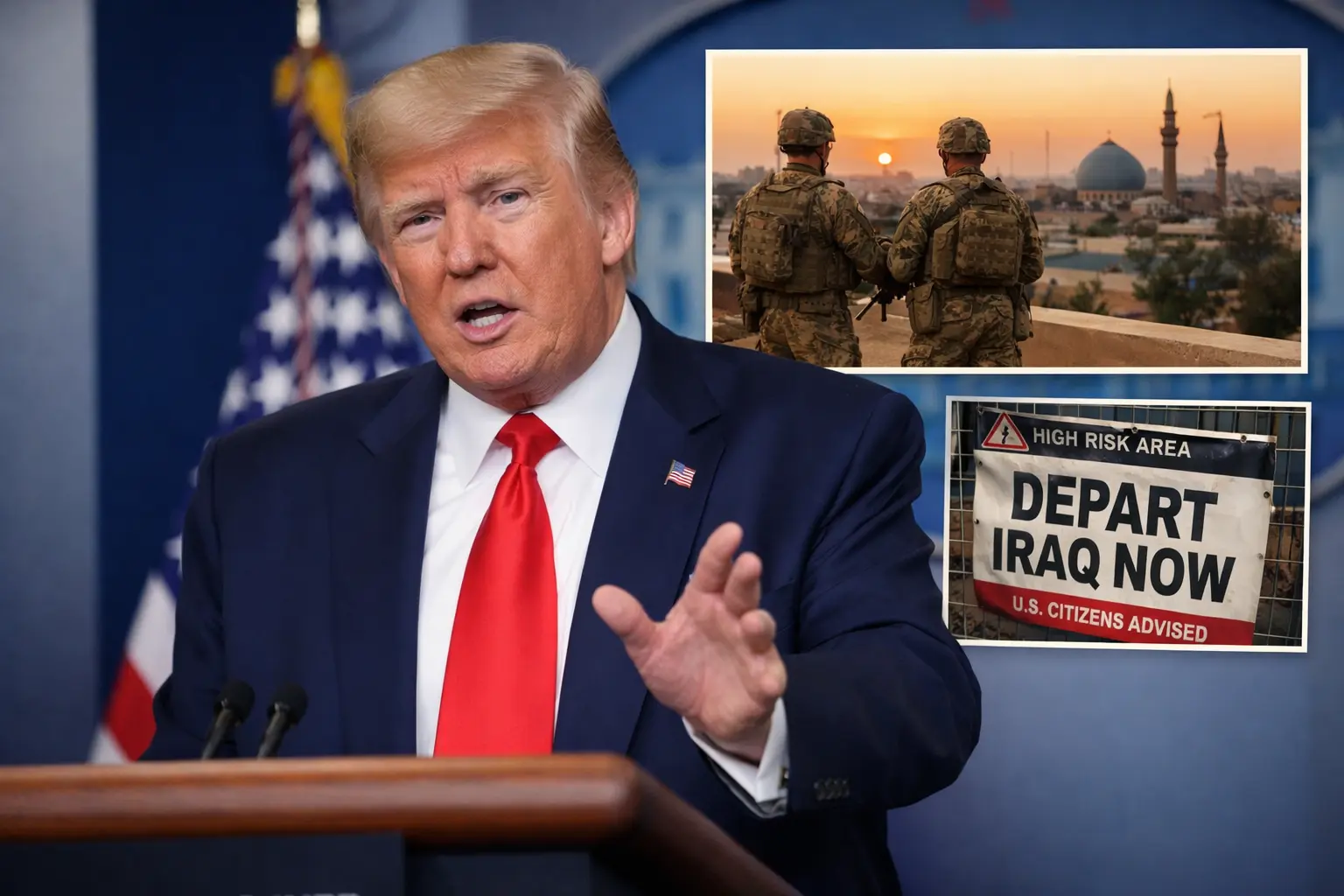
In a recent meeting with reporters, the former US president made a statement during a press briefing, where it was clear that the US is still far from a breakthrough with Iran.
Meanwhile, new security warnings have been given to American citizens living in Iraq, where the security threats are rising.
These recent developments have taken place at a time when tensions are rising over Iran’s nuclear deal, security concerns, and the relationship between the US and Iran.
Reports from international media outlets such as BBC have also noted growing anxiety among diplomats and analysts about the fragile state of negotiations and the broader regional impact.
Rising Tensions in the Middle East
The diplomatic relationship between the U.S. and Iran has been precarious over the years. There have been several attempts to revive or renegotiate the nuclear deal.
Trump’s recent statements seem to support the view that the negotiations may take a long time. According to his statements, the U.S. stance remains cautious, with the issue of Iran’s nuclear plans and influence not resolved.
There have been several warnings from U.S. authorities to American citizens to consider leaving Iraq. This is usually done when there is intelligence about increased security risks or potential threats to foreign citizens.
Iraq has over the years been a focal point of tension in the region due to the presence of various international military forces on its soil. It has economic and political ties with Iran.
Analysts have stated that whenever there is tension between the U.S. and Iran, Iraq becomes a focal point of geopolitical pressure.
According to international coverage reported by Reuters, governments often issue travel warnings when intelligence suggests increased risks to foreign citizens.
Why the Iraq Warning Matters
Travel advisories or evacuation warnings are not issued lightly. They often signal that governments believe the security situation could deteriorate rapidly.
For Americans currently in Iraq, the warning means reassessing travel plans and personal safety. Diplomatic missions typically coordinate with citizens abroad to ensure they have updated information and access to assistance if needed.
The advisory also sends a broader signal to international observers. When governments begin urging their citizens to leave a country, it often indicates concern about possible military activity, protests, or instability.
In recent years, Iraq has experienced periodic unrest, including political protests and clashes between armed groups. When external tensions increase, those internal dynamics can become more volatile.
Global markets also tend to react when the Middle East faces renewed uncertainty, particularly because the region plays a critical role in global energy supply.
Diplomatic Stalemate Over Iran
The larger dispute between Washington and Tehran revolves mainly around Iran’s nuclear aspirations and military activities in the region.
Previous negotiations aimed to restrict Iran’s nuclear activities in return for a relaxation of sanctions. However, disputes over verification strategies and sanction policies have continued to impede negotiations.
Trump’s claim that the US is not yet ready to sign a deal implies that negotiations between Iran and the US are complex and politically sensitive.
Diplomats usually claim that negotiations between Iran and the US require a long time and a series of negotiations before a deal is signed.
Meanwhile, the international community is concerned that the impasse might lead to miscalculations in the already volatile region.
What Happens Next
The immediate future will depend on a number of factors.
Diplomacy between the United States, Iran, and other international actors may be ongoing, even though rhetoric between the parties is aggressive.
Another factor to be monitored is security in Iraq. If security is stable, travel advisories might be lessened. If tensions increase, further action might be taken.
Global leaders are probably going to encourage diplomacy instead of further conflict because the Middle East is a hotbed of international security and energy concerns.
For now, analysts say that the current situation is a sign of a new era of uncertainty because diplomacy is stalled and security is a concern.
Disclaimer:
This article is based on information from publicly available reports and statements from reputable sources. Developments in international diplomacy can change quickly, and readers are encouraged to consult official government and international news sources for the latest updates.