







Lebanon Israel Talks 2026: Beirut Enters Negotiations With Little Leveragw
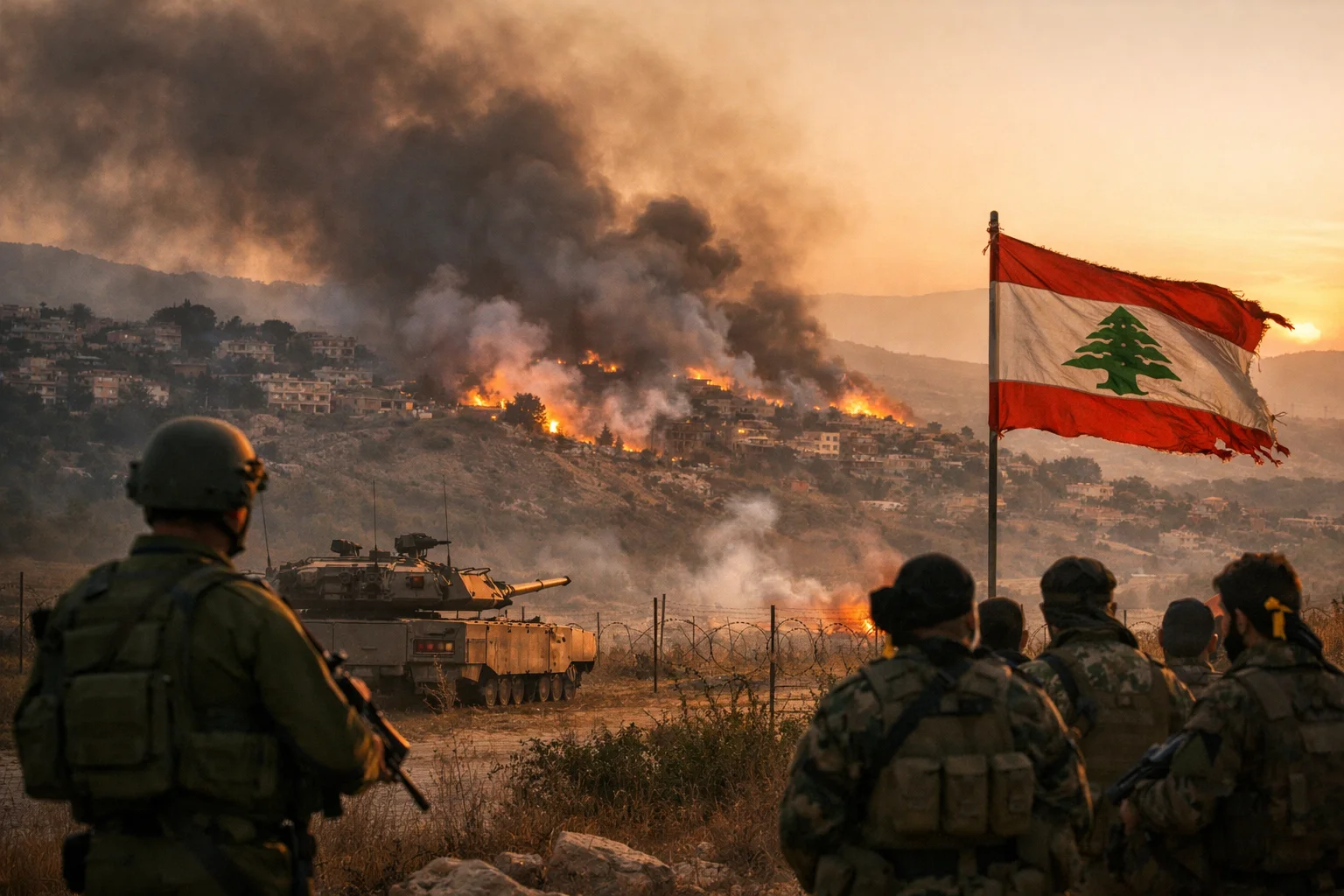
Israel-Lebanon peace negotiations for 2026 have started amidst mounting pressures from the region, yet Beirut will be entering into the negotiations in a very weak state owing to its internal divisions.
The negotiations are expected to ease mounting tensions along the borders of Israel and Lebanon, yet being influenced by Hezbollah, Lebanon will find it difficult to come up with a united stance regarding these negotiations.
Why Lebanon Has Little Room to Maneuver
The financial and political crises in Lebanon have limited the choices of the country’s government. The state appears weak in establishing its dominance, particularly in the southern region, which is dominated by Hezbollah.
As the Israeli government seeks to strengthen security arrangements and reduce Hezbollah’s influence along the northern part of its territory, Lebanese politicians are unable to fulfill these requirements.
This disparity presents a significant challenge. Even if an agreement is reached between both sides, the implementation will be questionable at best. It has been noted that Lebanon seems to be entering negotiations not because it wants to but because it must.
Israel’s Position and Strategic Pressure
In contrast, the Israeli side is well-positioned at the bargaining table. With military preparedness and diplomatic support, the Israelis are looking for long-term security agreements instead of short-term ceasefires.
Israeli authorities have emphasized that the agreement should take into account the danger to Israel from Hezbollah. Buffer zones and improved surveillance systems along the borders are some of their conditions.
But accepting such requests would put Lebanon in a bad position because refusing them may lead to increased conflict, while complying could cause domestic unrest.
A Fragile Diplomatic Window
The current negotiations are not focused on reaching a broad peace settlement but rather on avoiding an escalation to a broader confrontation. In light of existing regional conflicts, a simple accord could at least provide temporary stability in the region.
However, considering that there is currently no centralized power in Lebanon, and the role of the stateless actors is rising, a long-lasting resolution seems unlikely.
Disclaimer
This article is based on publicly available information, international media reports, and ongoing geopolitical developments. The situation is evolving and subject to change.