







Telangana caste survey findings show SCs, STs far more disadvantaged than general categories
economic inequality across the state, with a new analysis showing that Scheduled Castes (SCs) and Scheduled Tribes (STs) are nearly three times more backward than general categories on a composite backwardness measure. The findings add detail to the state’s broader caste survey data, which was released publicly this week and is likely to shape future policy debates on welfare targeting, representation and social justice.
The analysis, based on the state’s Social, Educational, Employment, Economic, Political and Caste survey and reviewed by an expert group, found that 135 of 242 castes scored above the state average on the Composite Backwardness Index (CBI). Those 135 castes together account for about 67% of Telangana’s population, indicating that disadvantage remains concentrated across a large share of the state.
What the Telangana survey found
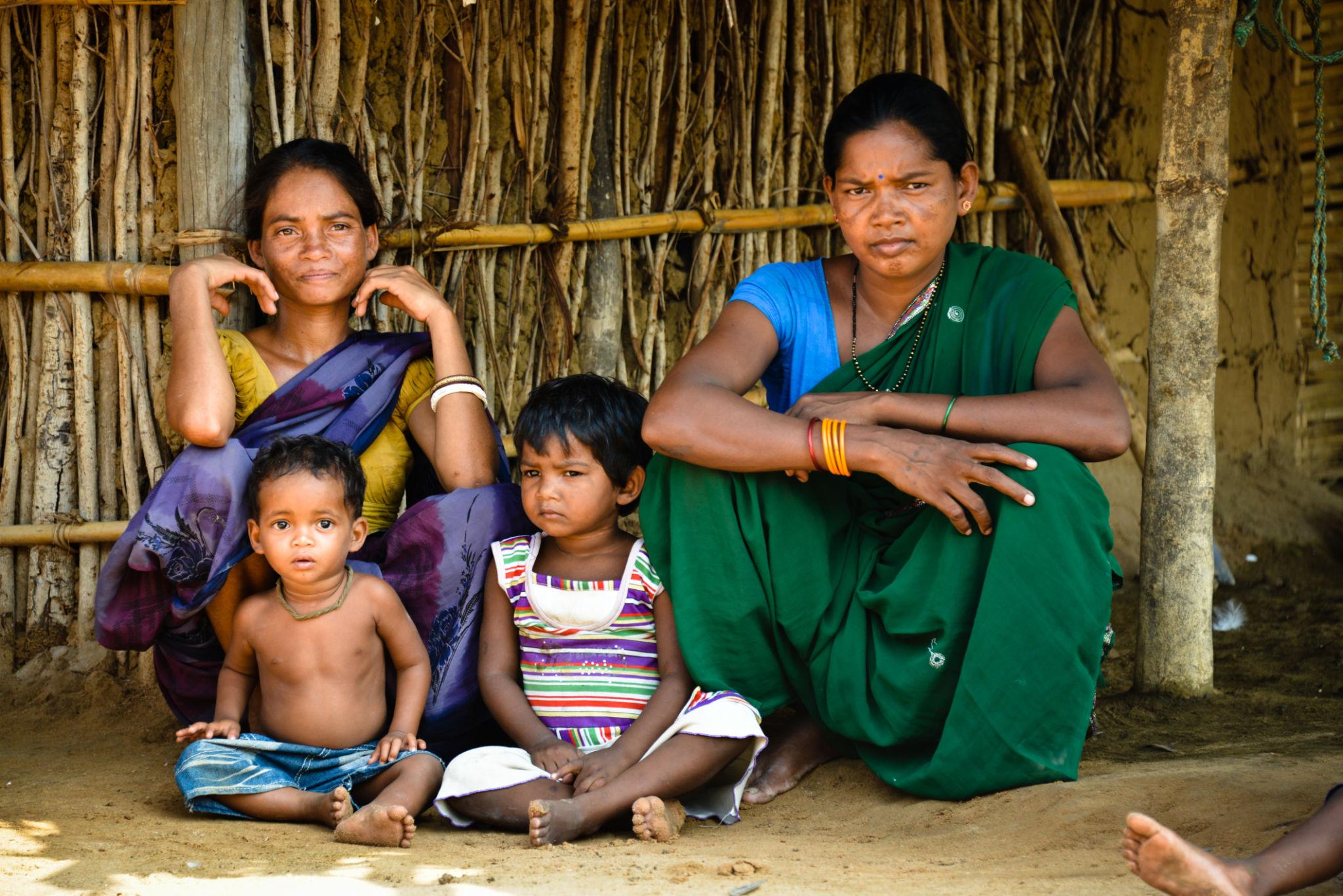
Based on the data collected, the CBI rating for SC was 96, that of STs was 95, and that of the general category was significantly lower at 31, where a high number signified high backwardness. The Backward Classes had a rating of 86, which was also much higher than the state average. The overall message from the study shows that SCs and STs are disadvantaged as compared to other classes.
It is also revealed by the study that 99 percent of STs, 97 percent of SCs and 71 percent of BCs belong to communities that are more backward than the state average. On the other hand, all the 18 castes in the general category were behind the state average level.
BCs emerged as the single largest social grouping in the state from the population data provided along with the survey. The first figures released in this context revealed BCs as constituting 56.4% of the population, followed by SCs, accounting for 17.4%, general castes, representing 11.9%, and STs, comprising 10.4%. The second data released revealed BCs without Muslim BCs as comprising 46.25%, Muslim BCs accounting for 10%, SCs comprising 17.43%, STs forming 17%, and OCs representing 13.31%.
Why the findings matter politically and socially
Beyond merely quantifying the population of each community, the caste census brings to light the differential manner in which poverty and exclusion are experienced by different groups. As one article analyzing the results of the survey pointed out, SCs are less involved in agricultural welfare schemes owing to low land ownership; the STs, although impoverished, are better represented in these schemes due to the nature of their vulnerabilities.
Why it matters – The release of Telangana’s caste census data comes against the backdrop of increased debate about the role of caste data in welfare schemes, reservations and delimitation. The question of whether a caste census or caste based reservation is required in India has once again entered mainstream discourse.
While it will give an added advantage for the Congress-led state government to argue in favor of a better social justice mechanism, for others, the survey will provide more room for discussion about backwardness measurements and reforms based on the results. At any rate, one thing is certain; the survey will move the debate on social justice from generalities of caste classification to measurable discrimination.
Disclaimer: This article is based on publicly reported survey findings and media reports on Telangana’s caste survey analysis. Readers should refer to official state documents for the complete methodology and category definitions.