Edition: IndiaWednesday, 10 June 2026 at 05:07:58 pm UTC

Sponsored
Loading sponsor message...
VetoPost News Desk
Speech playback is not available in this browser.
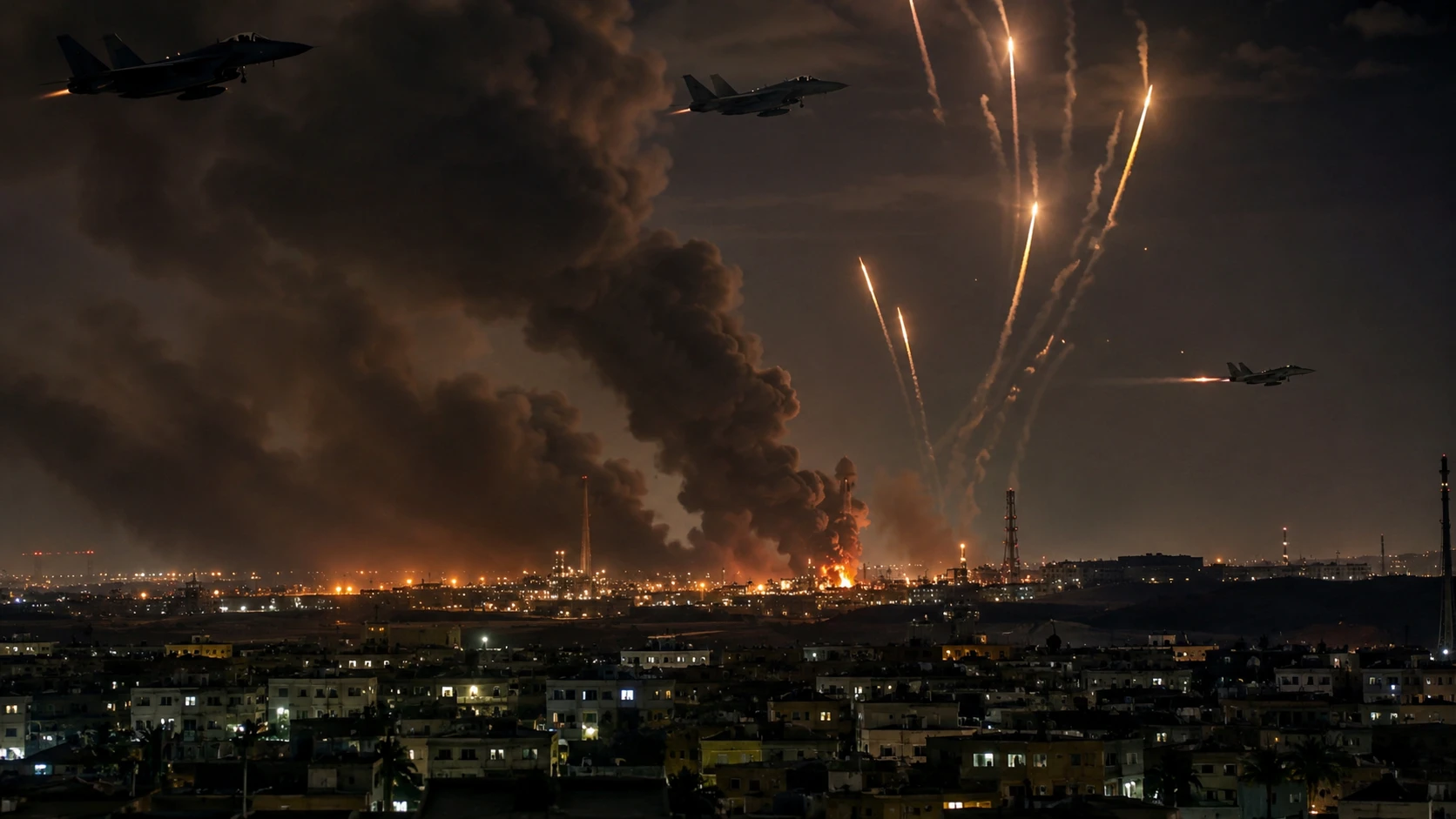
Tensions between the United States and Iran escalated sharply after fresh threats were exchanged following a series of strikes that have intensified concerns over regional stability in the Middle East.
Former US President Donald Trump issued strong remarks warning Iran against any further actions targeting American interests or regional allies. Iranian officials responded with their own warnings, signaling that Tehran would retaliate if additional attacks or military operations were carried out against its territory or strategic assets.
The latest developments have reignited fears of a wider geopolitical confrontation at a time when global markets are already closely watching instability across the Gulf region.
Escalating War of Words
Trump’s comments came shortly after reports of exchanged strikes involving Iranian-linked targets and military activity in the region. While details surrounding the attacks remain contested, both sides have accused each other of provoking instability.
Iranian military officials and political leaders responded by accusing Washington of fueling tensions and interfering in regional affairs. State-linked media in Iran described the latest threats as part of broader pressure tactics aimed at weakening Tehran’s influence.
The renewed exchange has drawn international attention because of the strategic importance of the Middle East to global energy supplies and shipping routes.
Diplomatic observers say the increasingly aggressive rhetoric raises the risk of miscalculation, especially as military assets remain active across several conflict-sensitive zones in the region.
Why the Situation Matters Globally
Any direct confrontation between the United States and Iran could have far-reaching implications beyond the Middle East.
Global oil markets often react sharply to instability involving Iran because the country sits near the Strait of Hormuz, one of the world’s most important energy transit chokepoints. Even the threat of disruption can influence crude oil prices and investor sentiment worldwide.
Regional allies, including Gulf nations, are also monitoring the situation closely. Increased tensions could affect shipping security, defense cooperation, and diplomatic negotiations already underway across the region.
Security analysts warn that prolonged escalation may also impact international trade routes and increase pressure on already fragile regional economies.
Background of US-Iran Tensions
Relations between Washington and Tehran have remained strained for decades, shaped by disputes over Iran’s nuclear ambitions, regional military influence, sanctions, and proxy conflicts.
Tensions intensified significantly during Trump’s presidency after the United States withdrew from the Iran nuclear agreement in 2018 and imposed sweeping economic sanctions on Tehran. Iran later responded by gradually reducing compliance with nuclear restrictions and increasing its regional military posture.
Military confrontations, cyber incidents, and proxy attacks have repeatedly pushed both sides toward dangerous periods of escalation over the past several years.
Despite occasional diplomatic efforts by international mediators, trust between the two governments remains extremely limited.
Markets and International Reactions
Financial markets reacted cautiously to the latest developments, with investors closely tracking energy prices and geopolitical signals from Washington and Tehran.
Analysts say any prolonged conflict risk could trigger volatility in oil prices, shipping costs, and defense-related sectors. Some investors have also shifted attention toward safe-haven assets amid fears of broader instability.
International organizations and several foreign governments have urged restraint, emphasizing the need for diplomatic engagement rather than military escalation.
Foreign policy experts believe backchannel diplomacy may still play a crucial role in preventing the situation from spiraling into a direct military confrontation.
What Could Happen Next
The coming days are expected to be critical as both sides assess their next moves. Observers say much will depend on whether additional strikes occur or if diplomatic channels quietly reopen behind the scenes.
Security experts caution that aggressive public messaging can rapidly intensify crises, especially when regional militias and allied armed groups are also involved.
For now, governments, investors, and global energy markets remain on alert as uncertainty surrounding US-Iran relations continues to grow.
Disclaimer
Vetopost independently produces original news coverage based on publicly available information, official statements, and credible reporting. This article is intended for informational purposes only. While every effort is made to ensure accuracy, developments may change as new information emerges. Readers are encouraged to refer to official sources for the latest updates.
Reader reactions
Pick the response that matches how this story lands for you.
Sign in to join the conversation and post your comment.
No comments yet. Be the first to respond when subscriber commenting is available.