Brexit Cost 6% of UK Economy, Bank of England Company Data Suggests
New Analysis Revives Debate Over Brexit's Economic Impact
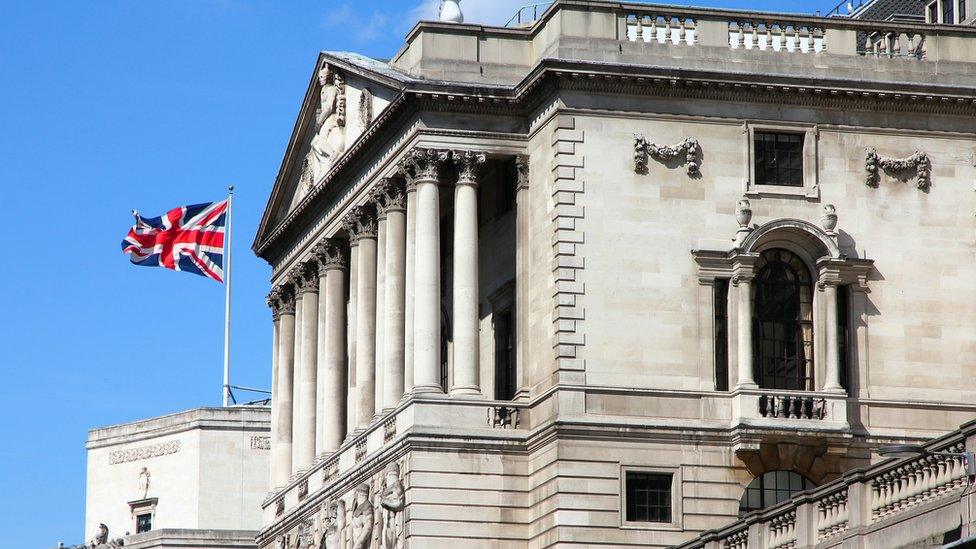
A decade after the United Kingdom voted to leave the European Union, new analysis linked to Bank of England company data suggests Brexit may have reduced the size of the British economy by around 6% compared with a scenario in which the country had remained inside the bloc. The estimate adds to ongoing debates over the long-term economic consequences of one of the most significant political decisions in modern British history.
The findings arrive at a time when policymakers, businesses, and economists are reassessing Britain's economic trajectory amid weak productivity growth, subdued investment, and slower trade expansion. While economists differ on the exact scale of Brexit's impact, many studies have concluded that leaving the EU has created measurable economic costs.
Trade and Investment Remain Key Concerns
One of the main channels through which Brexit is believed to have affected growth is trade.
Businesses have faced additional customs procedures, regulatory requirements, and administrative costs when trading with European markets. Analysts argue that these barriers have contributed to weaker export growth and reduced business investment compared with pre-Brexit expectations.
Research cited by economists has suggested that investment levels may have been significantly lower than they would have been without Brexit, while productivity growth has also been affected by uncertainty and reduced economic integration.
Why Measuring Brexit Is Difficult
Economists caution that isolating Brexit's impact remains challenging.
The UK's departure from the EU was followed closely by the COVID-19 pandemic, global supply chain disruptions, inflation shocks, and geopolitical tensions. These events have complicated efforts to determine precisely how much of Britain's economic performance can be attributed solely to Brexit.
As a result, estimates vary across institutions. Some analyses suggest a smaller long-term effect, while others indicate that economic output may be several percentage points lower than it would otherwise have been.
Impact on Businesses and Households
For businesses, slower investment and higher trading costs can affect competitiveness and expansion plans.
For households, weaker economic growth may ultimately influence wages, public finances, and living standards. Economists often note that even modest percentage changes in GDP can translate into billions of pounds in lost economic activity over time.
The Bank of England's regular business intelligence reports continue to highlight concerns about weak demand, cautious investment intentions, and broader economic uncertainty affecting company decision-making.
Looking Ahead
The political debate over Brexit has shifted from whether the UK should have left the EU to how Britain can maximize growth outside the bloc.
Some policymakers advocate closer economic cooperation with European partners, while others emphasize regulatory flexibility and global trade opportunities. Regardless of political views, most economists agree that improving productivity, investment, and business confidence will be critical for future growth.
Conclusion
The suggestion that Brexit has reduced UK economic output by around 6% adds to a growing body of evidence examining the long-term consequences of leaving the European Union. While the precise figure remains debated, the broader economic questions surrounding trade, productivity, and investment continue to shape Britain's policy agenda and future growth prospects.
Disclaimer
Vetopost independently produces original news coverage based on publicly available information, official statements, and credible reporting. This article is intended for informational purposes only. While every effort is made to ensure accuracy, developments may change as new information emerges. Readers are encouraged to refer to official sources for the latest updates.