




Trump’s Foreign Policy Dilemma Deepens Amid Rising Iran Tensions
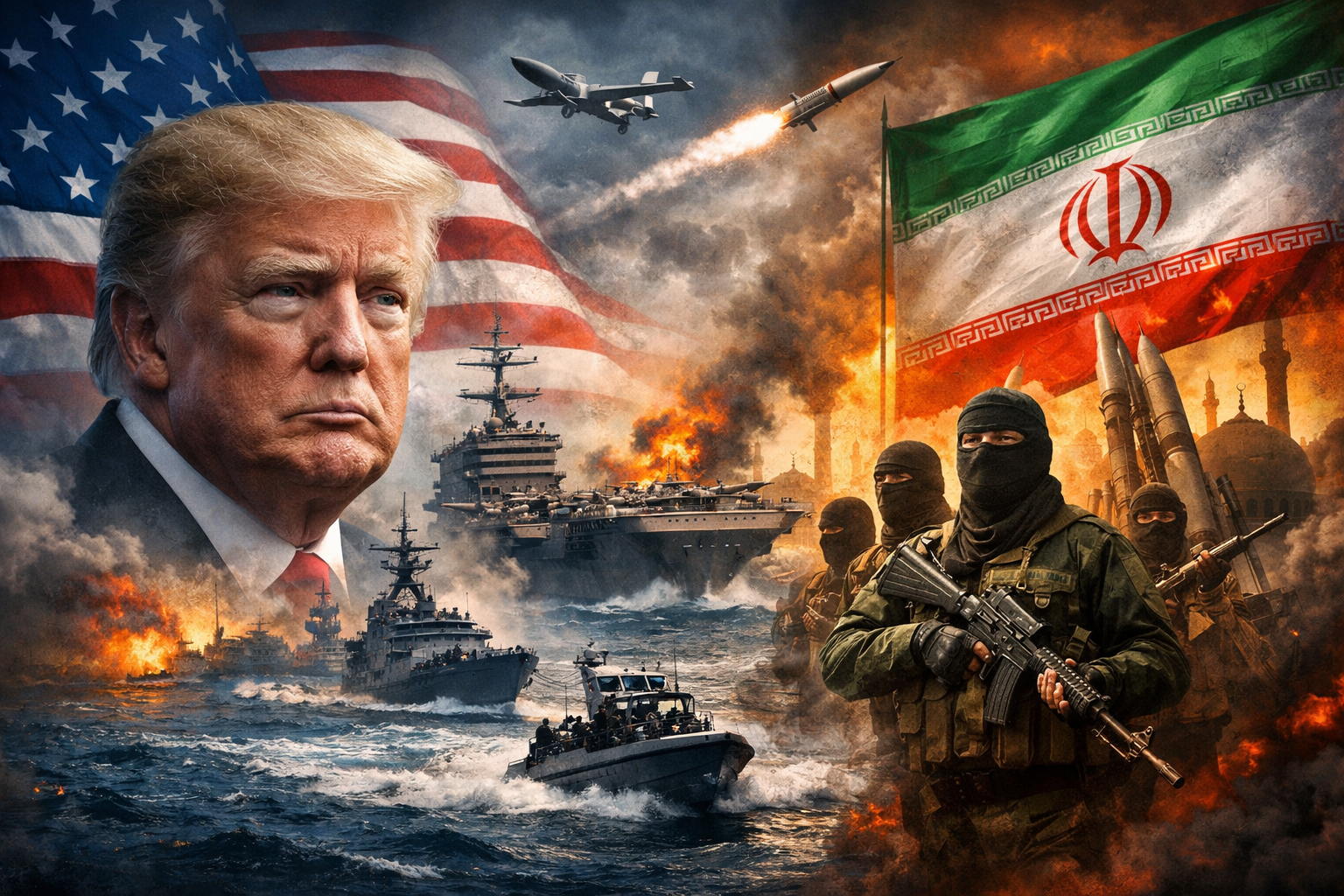
Trump’s foreign policy conundrum is once again at the forefront as the rising tensions between Iran and the United States have left many pressing questions about the need for military deterrence and diplomatic engagement. The current events in the Middle East have highlighted the complexities that former U.S. President Donald Trump faces as he continues with his “maximum pressure” strategy against Iran in the wake of the rising geopolitical uncertainty.
As Iran’s nuclear plans and influence in the region come under the spotlight, it seems that the United States is left with the dilemma of implementing tough policies while avoiding a conflict that could disrupt global markets.
Renewed Military Posturing and Diplomatic Uncertainty
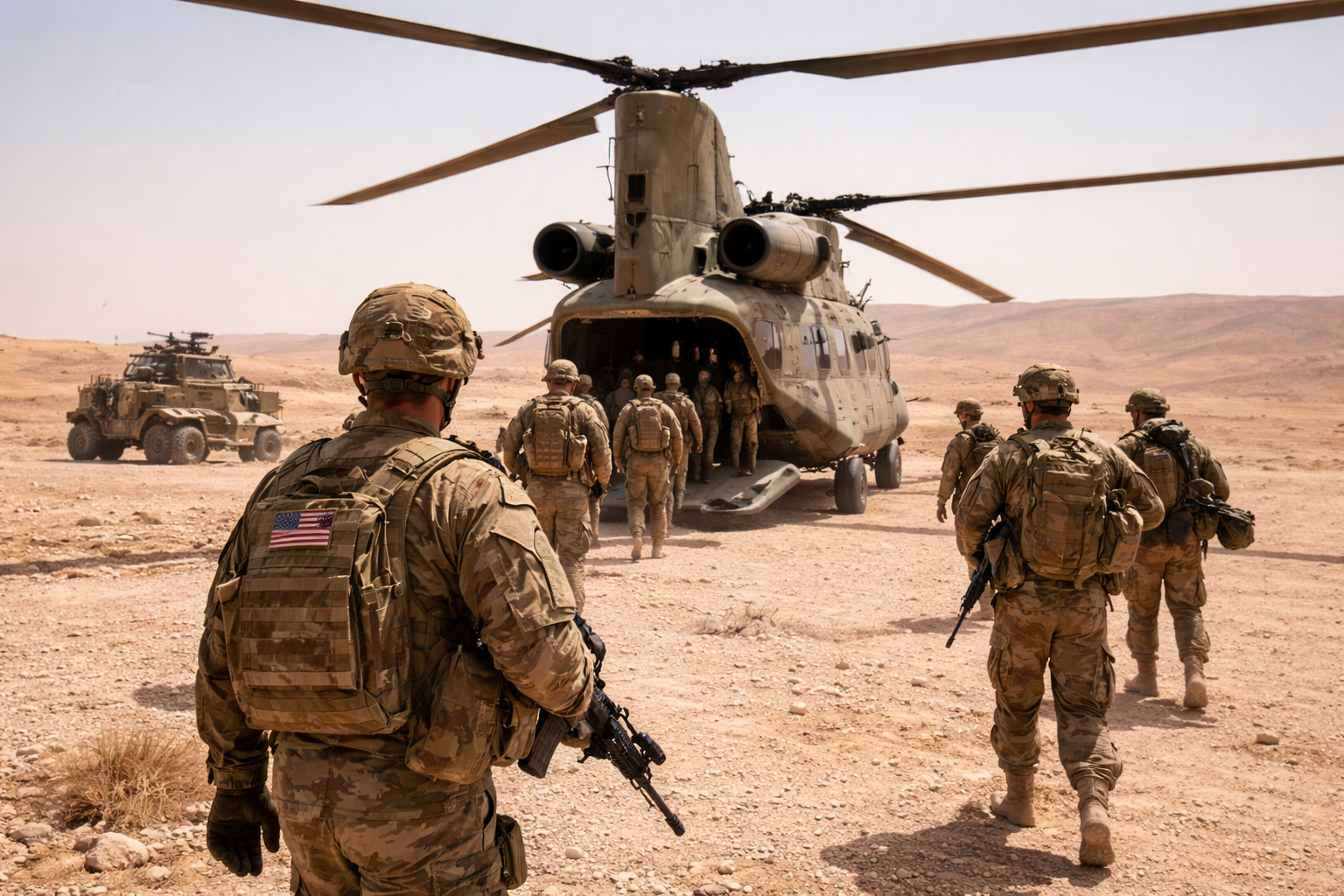
The situation between the United States and Iran has escalated in recent weeks, with heightened military presence in the region and rhetoric from both sides. Experts suggest that Trump’s earlier withdrawal from the nuclear deal in 2015, under the Barack Obama administration, has significantly altered the relationship between the United States and Iran, with economic sanctions replacing diplomatic engagement.
Iran, on the other hand, continues to claim that its nuclear program is for peaceful purposes, while Western officials are skeptical about the level of uranium enrichment. The delicate diplomatic situation in Europe has yet to yield a positive outcome, with policymakers walking a thin line between conflict and cooperation.
The strategic location of the Strait of Hormuz, a vital international oil shipping channel, has further added to the complexities of the situation. Any escalation of the situation in the region has the potential to affect global energy markets, making the situation far more complex than a simple bilateral relationship.
The Strategic Contradictions in Trump’s Approach
At the core of Trump’s foreign policy dilemma is a fundamental contradiction: applying maximum economic and military pressure while simultaneously signaling openness to negotiation. Critics argue that heavy sanctions have strained Iran’s economy but have not delivered a comprehensive diplomatic solution.
Supporters, however, contend that strong deterrence is necessary to counter Tehran’s regional influence. The policy’s effectiveness remains debated, especially as global powers including European nations seek to preserve dialogue and prevent military escalation.
The broader question remains whether coercive diplomacy can realistically achieve long-term stability. The ongoing tensions highlight how U.S. foreign policy decisions continue to reverberate across global alliances, energy markets, and international security frameworks.
Global and Economic Implications
However, outside of Washington and Tehran, the implications of escalating tensions are severe. Oil prices tend to respond quickly to events related to Iran because of its location and energy resources. Other regional partners are also left with tough decisions between the strategic partnership and economic interests.
For outside observers, Trump’s foreign policy dilemma is part of a bigger discussion on America’s role in the management of global conflict. Does America’s strength through sanctions and military power guarantee security, or does a return to multilateral foreign policy provide a better long-term solution?
Conclusion
The foreign policy dilemma of Trump is still representative of the bigger challenge for U.S. leadership in the Middle East as tensions continue to escalate.
Disclaimer
This article is based on publicly available information from reputable international news sources and policy reports. Developments are ongoing and subject to change.