
Ukraine Targets Mid-2027 Prototype for European Freyja Missile Defence System
Ukraine is aiming to have a prototype of the European anti-ballistic missile defence system, codenamed Freyja, ready by the first half of 2027, as Kyiv works with European partners to strengthen its ability to intercept Russian ballistic missiles.
The announcement was made by Davyd Aloian, Deputy Secretary of Ukraine's National Security and Defence Council, who is overseeing the Freyja project. According to Aloian, the initiative has set an ambitious timeline to deliver a minimum viable product (MVP) capable of demonstrating practical missile interception capabilities within the first half of next year.
European Coalition Backs Freyja Initiative
The Freyja programme was formally launched during a defence summit in Paris attended by leaders from 10 European countries, including Ukrainian President Volodymyr Zelenskyy, along with representatives from around a dozen defence manufacturers.
The coalition aims to develop a European-made anti-ballistic missile defence system that could strengthen regional security and provide Ukraine with greater protection against increasingly sophisticated missile threats.
An international steering committee is expected to meet soon to assess the research, development, and funding requirements needed to move the project forward.
Reducing Dependence on Patriot Systems
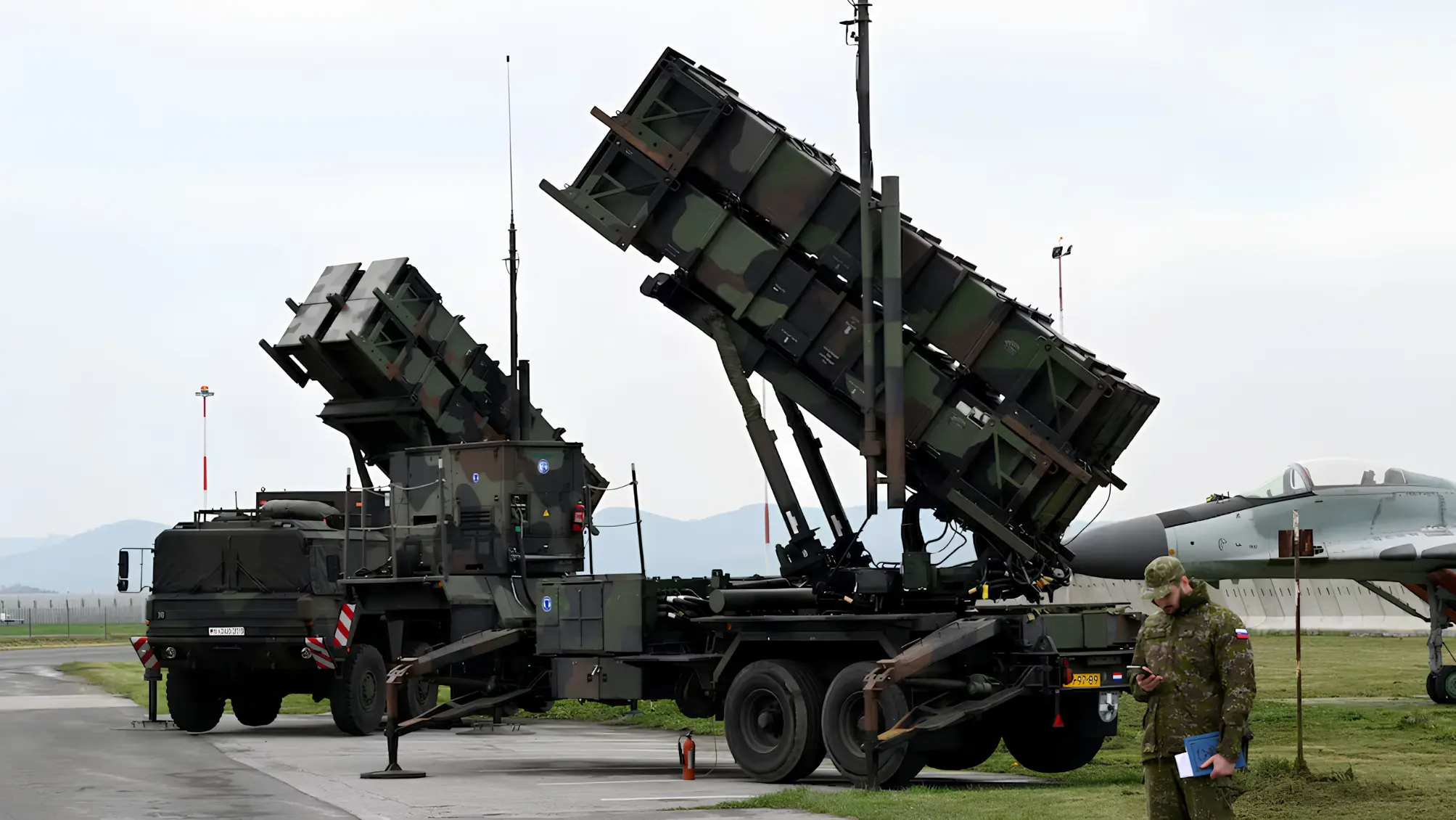
Ukraine currently relies heavily on the U.S.-made Patriot air defence system, which remains the country's most effective weapon for intercepting Russian ballistic missiles traveling at several times the speed of sound.
Officials believe the Freyja system could eventually complement existing air defence capabilities and reduce reliance on foreign-made systems by providing Europe with its own advanced missile interception technology.
Project Focuses on Rapid Development
Given the ongoing security challenges, Ukrainian officials have emphasized the need for an accelerated development timeline.
The planned prototype will serve as an early demonstration platform, allowing engineers and defence partners to evaluate the technology before moving toward full-scale production and deployment.
While the project remains in its early stages, officials view it as a significant step toward expanding Europe's independent missile defence capabilities.