






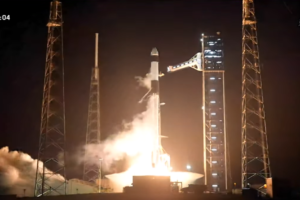


The SpaceX Crew-12 launch is an important milestone in ensuring the International Space Station’s (ISS) functionality. On February 13, 2026, a SpaceX capsule soared into space from the Cape Canaveral Space Force Station in Florida, carrying four astronauts to rectify the ISS’s skeletal crew roster. This particular mission has been fast-tracked by NASA to restore the ISS’s normal seven-member crew roster following the premature departure of Crew-11 due to a medical emergency.
Mission Details and Launch
The Crew-12 mission launched at about 5:17 a.m. ET, despite weather delays that postponed the mission through two possible launch windows. NASA chose to expedite the launch because of the effects of understaffing at the ISS, which has been operating at only three crew members since mid-January 2026. Typically, new crews overlap with departing crews for handoffs, but Crew-12 will have to receive ground briefings from Crew-11. Understaffing has reduced the amount of research being conducted on the orbiting station, which operates at a cost of $3 billion per year. NASA Administrator Jared Isaacman emphasized the importance of maximizing science returns on the ISS to facilitate the development of commercial space stations in the future.
The rest of the ISS crew, composed of Roscosmos cosmonauts Sergey Kud-Sverchkov and Sergei Mikayev, along with NASA astronaut Chris Williams, has been able to accomplish necessary duties but will regain full productivity with the arrival of Crew-12.
Crew Composition and Objectives
The international crew of Crew-12 includes NASA astronauts Jessica Meir and Jack Hathaway, European Space Agency astronaut Sophie Adenot, and Roscosmos cosmonaut Andrey Fedyaev. During their eight-month mission, they will perform crucial experiments such as ultrasound examinations of blood vessels to examine blood circulation in microgravity, the study of bacteria for the treatment of pneumonia, and lunar landing simulations to analyze the effects of gravity on the human body and mind.
This particular mission highlights the importance of international collaboration in space exploration, which has been made possible by precedents in the past where indirect transfers were a common practice before the regular SpaceX missions. Astronaut Meir explained that these were normal procedures during her last mission seven years ago.