




Trump’s Foreign Policy: Resurrecting Empire?
Trump’s Foreign Policy: Resurrecting Empire is one of the most characteristic debates in American politics, as both critics and supporters are pitted against each other in a struggle to determine whether Trump’s “America First” policy aims at reviving American global hegemony or withdrawing from the country’s traditional global partnerships. With Donald Trump at the helm, the foreign policy of the United States has undergone a radical transformation, with challenges to NATO allies, confrontations with China, and a new vision for America’s role in global multilateral organizations.
With trade wars and troop withdrawals, Trump’s foreign policy strategy has been characterized by some scholars as an effort to resurrect a brand of strategic nationalism that emphasizes sovereignty, trade power, and military strength over diplomatic cooperation
America First and Strategic Nationalism
The “America First” policy framework informed Trump’s foreign activities. His administration often condemned the existence of institutions like NATO, urging European members to boost their military budgets. Trump believed that America had been shouldering an unfair burden of the cost of this partnership for too long.
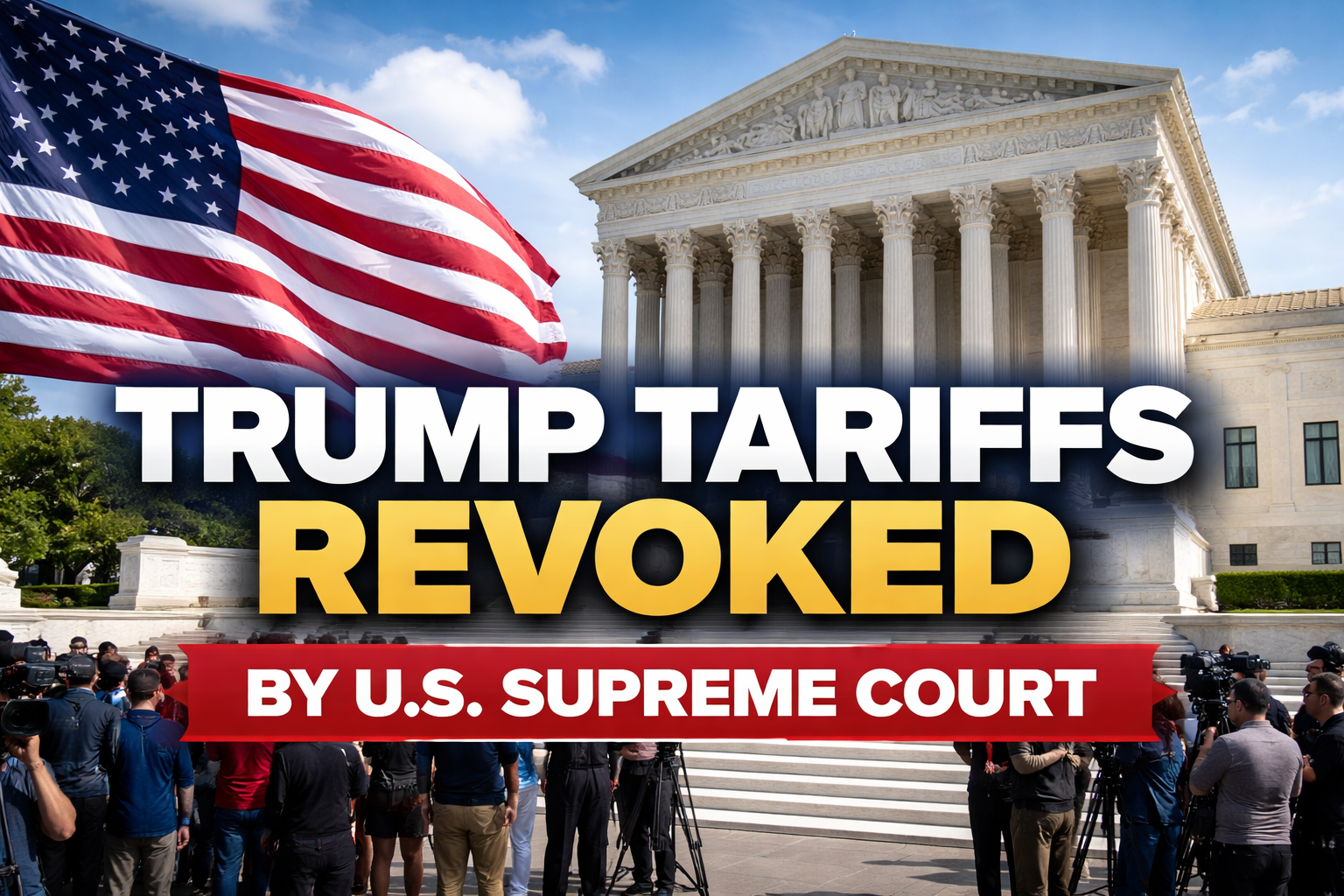
Likewise, his trade policies were aimed at China, imposing tariffs and reworking trade deals to respond to what Trump saw as unfair trade practices by the Chinese government. The economic standoff between Washington and Beijing has transformed global supply chains and heightened geopolitics.
Trump also pulled America out of several global agreements, like the Paris Climate Accord, indicating a lack of trust in global cooperation on climate change.
Military Posture and Global Influence
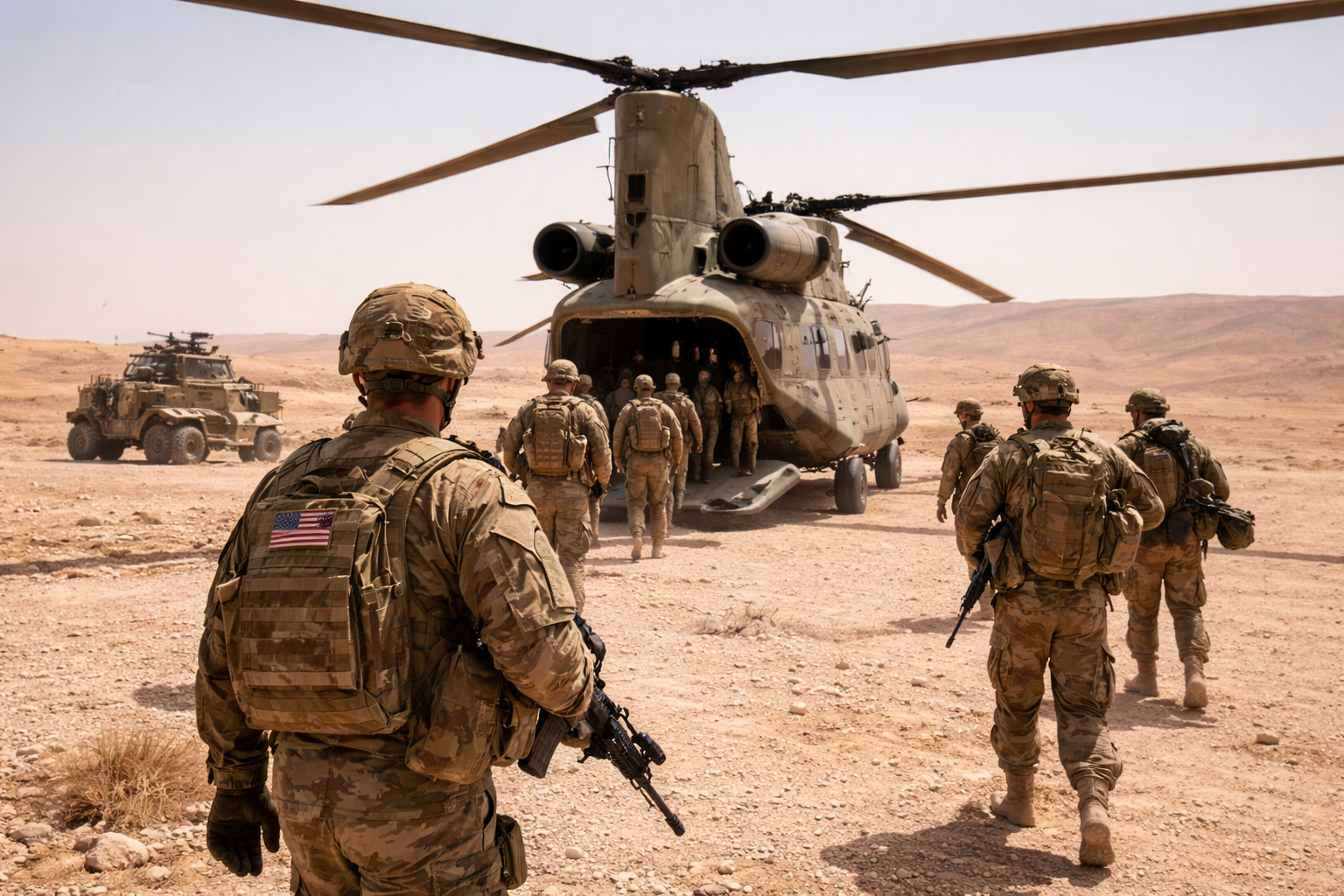
Trump’s foreign policy featured a dual narrative: reducing overseas military commitments while projecting strength. His administration initiated troop withdrawals from regions such as Syria and Afghanistan, arguing that prolonged wars drained US resources.
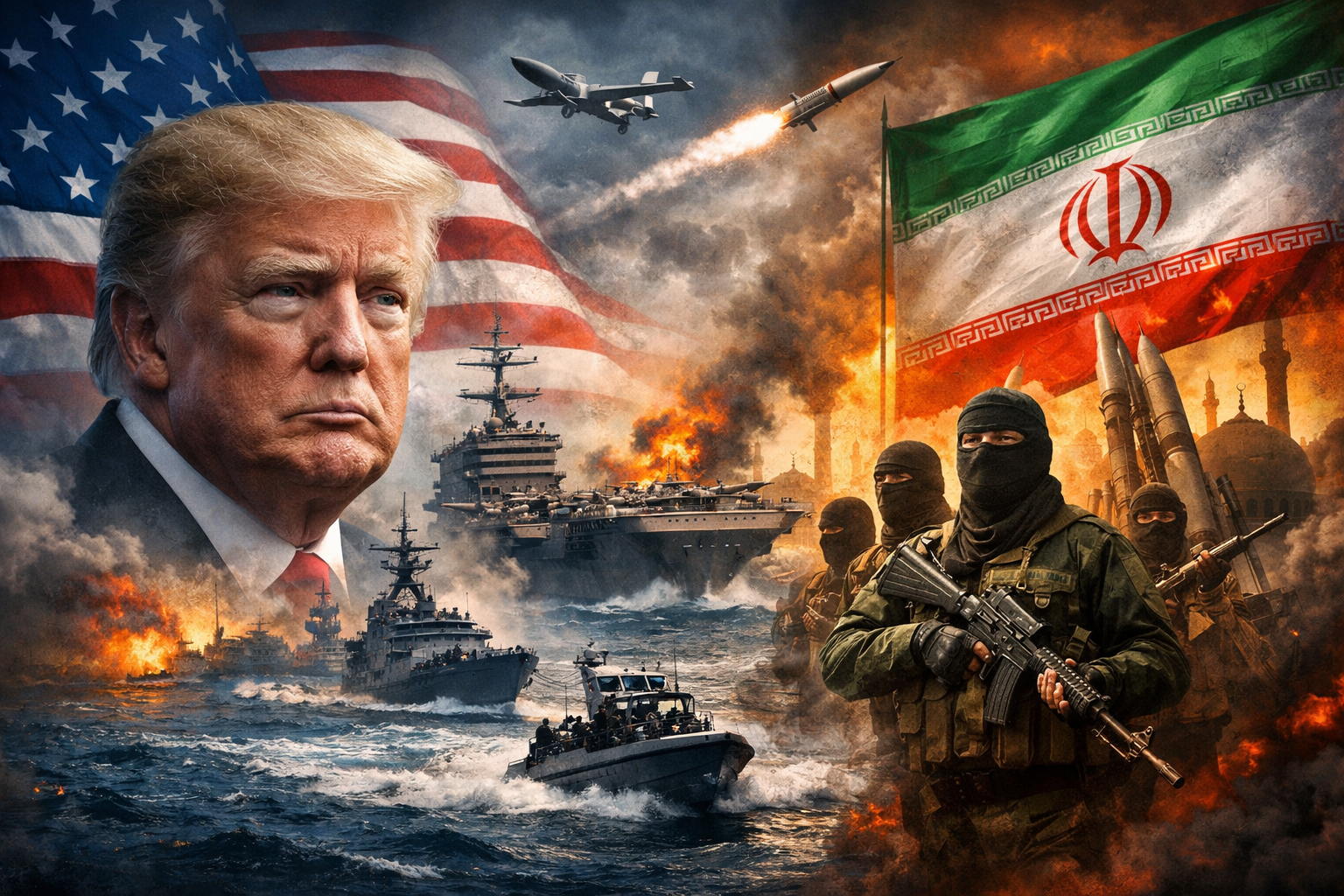
At the same time, he authorized high-profile actions, including the strike that killed Iranian General Qassem Soleimani in 2020, escalating tensions with Iran. This blend of retrenchment and assertiveness fueled arguments that Trump aimed not to abandon global leadership but to redefine it on unilateral terms.
His critics contend that such moves risked destabilizing long-standing alliances, while proponents argue they reasserted American leverage.
Is It a Resurgence of Empire?
The “resurrecting empire” analogy suggests a return to hegemonic aspirations. However, Trump’s foreign policy agenda often emphasized the need for transactional foreign policy—evaluating alliances based on short-term national advantage rather than ideological affinity.
It has been noted that his skepticism about international institutions such as the United Nations and his affinity for bilateralism suggest a departure from the post-World War II vision of liberal internationalism. Whether this signals the start of a new imperial age or a much-needed correction of foreign policy is an issue of debate among foreign policy analysts.
Disclaimer:
This article is based on publicly available information, policy archives, and analysis from recognized public sources. It is intended for informational purposes only and does not represent political endorsement.