



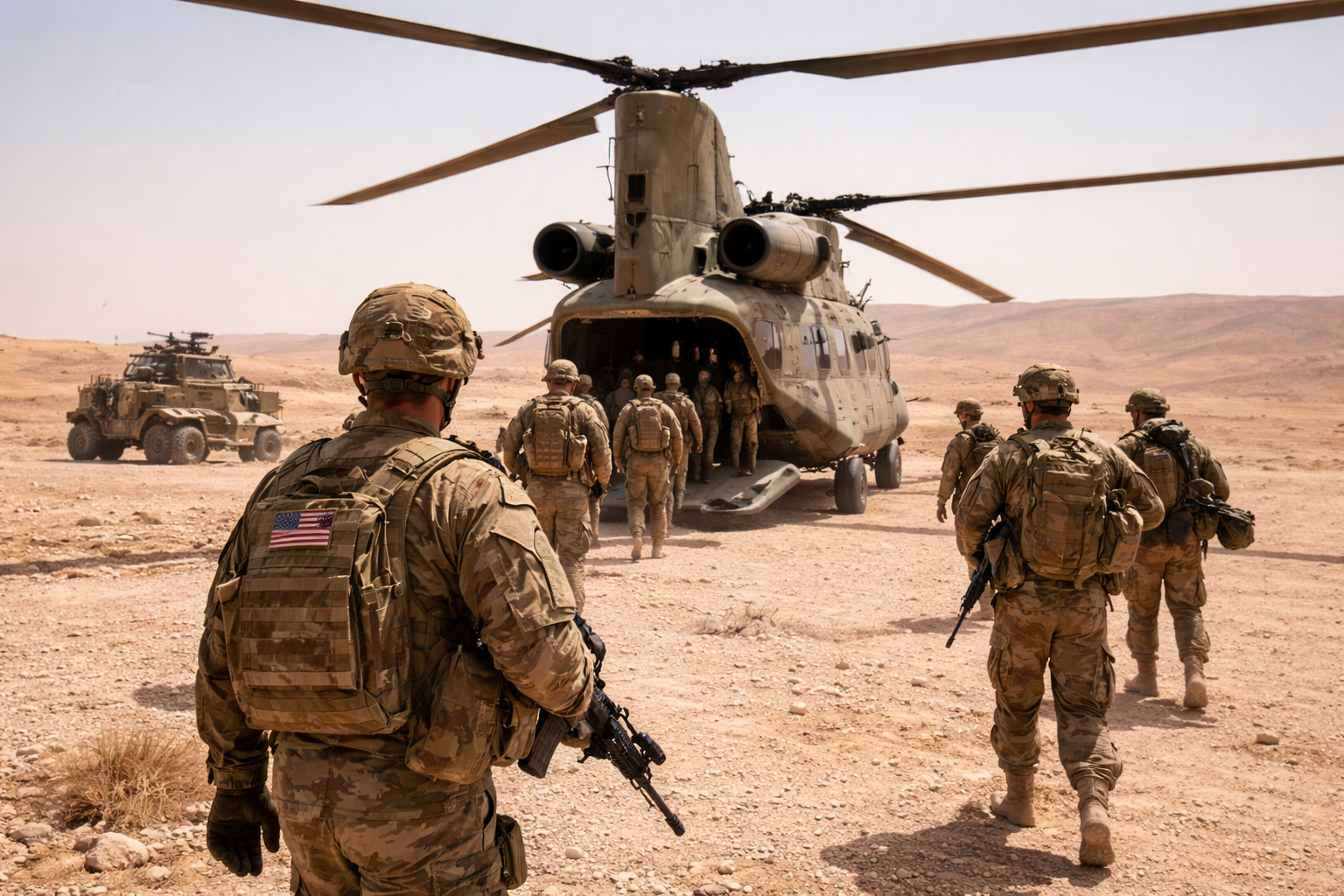
The decision that the US withdraws troops from Syria marks a significant turning point in Washington’s Middle East strategy, coming at a time when regional tensions with Iran are intensifying. The move signals a recalibration of military priorities after years of counterterrorism operations in the conflict-scarred country.
US Troop Withdrawal From Syria: Strategic Shift Explained
The United States has had a small but deliberate military presence in Syria for more than a decade, mainly to combat the growing threat of the Islamic State (ISIS) and support local allies. However, recent news reports suggest that the United States is now planning to withdraw its remaining troops from Syria.
According to sources, the withdrawal of U.S. troops will be conditions-based and will not be immediate, in order to ensure that extremist groups do not regain strength. However, the Pentagon has clarified that it will continue to have counterterrorism capacity through partnerships with other countries.
Iran Tensions Add Pressure to Regional Calculations
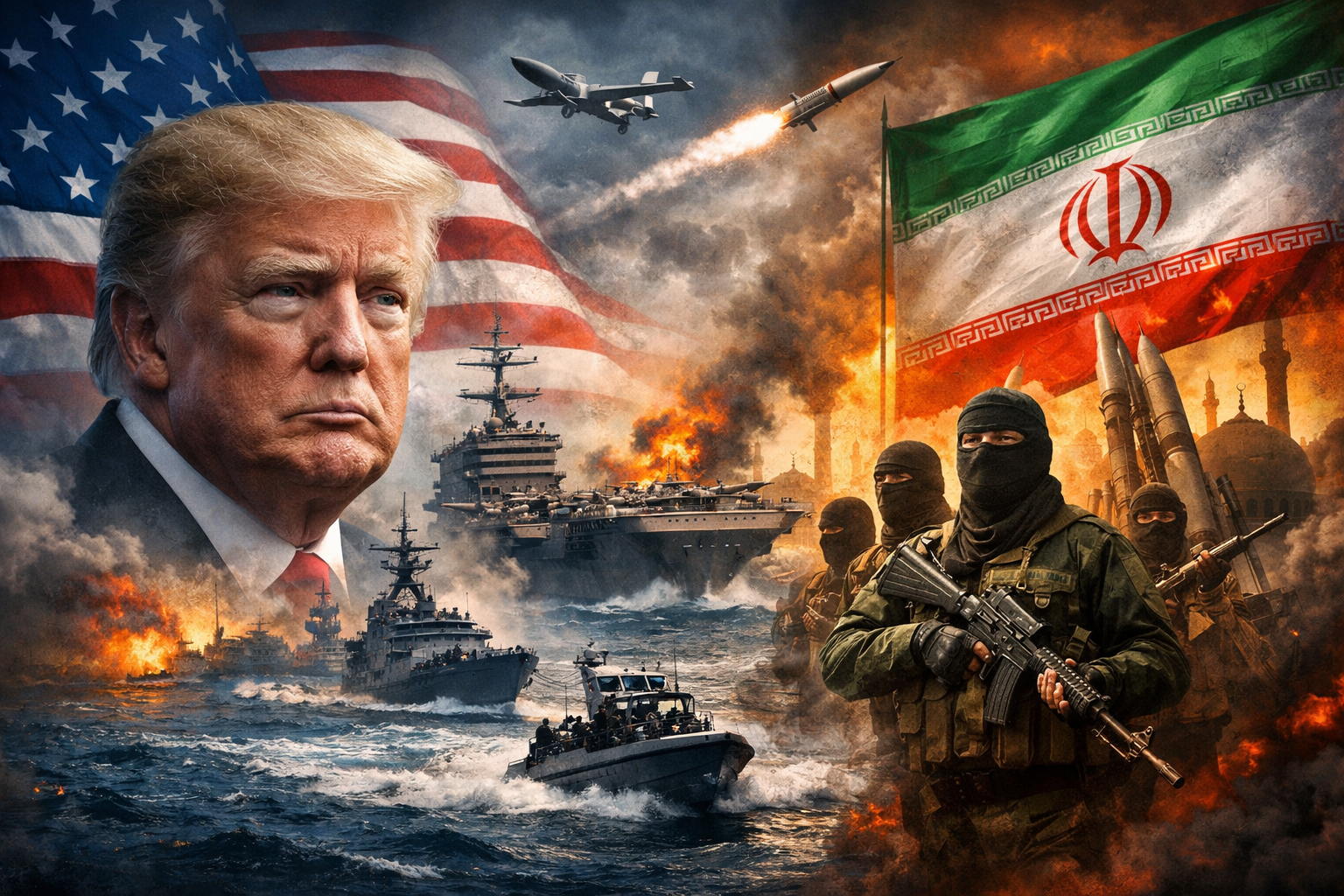
The pullout is happening against the backdrop of increased tensions between the U.S. and Iran, caused by a lack of progress in nuclear talks, as well as proxy wars and military build-ups in the Middle East. Experts believe that the Syria pullout will minimize the risk of direct confrontation between American forces and Iranian-backed militias in the region.
Although U.S. officials have dismissed any connection between the Iran tensions and the Syria pullout, experts in the region believe that the move is part of an effort by the U.S. to avoid hotspots that could lead to large-scale conflict. Iran, which has influence in Syria through its proxies, is expected to be watching the situation closely.
Impact on Regional Stability and Security
The impending withdrawal has sparked concerns about the future security dynamic in Syria. Proponents of the withdrawal believe that the drawdown of U.S. forces could lead to regional actors seeking a diplomatic path, while critics believe that the withdrawal could lead to a security vacuum that could be exploited by extremist groups or other powers.
Regional partners who have been counting on U.S. military support may come under greater pressure, although U.S. officials have stated that cooperation with allies will continue despite the withdrawal of U.S. forces.
Disclaimer
This article is based on information obtained from publicly available sources and media reports. Developments may evolve as official statements and regional conditions chang