








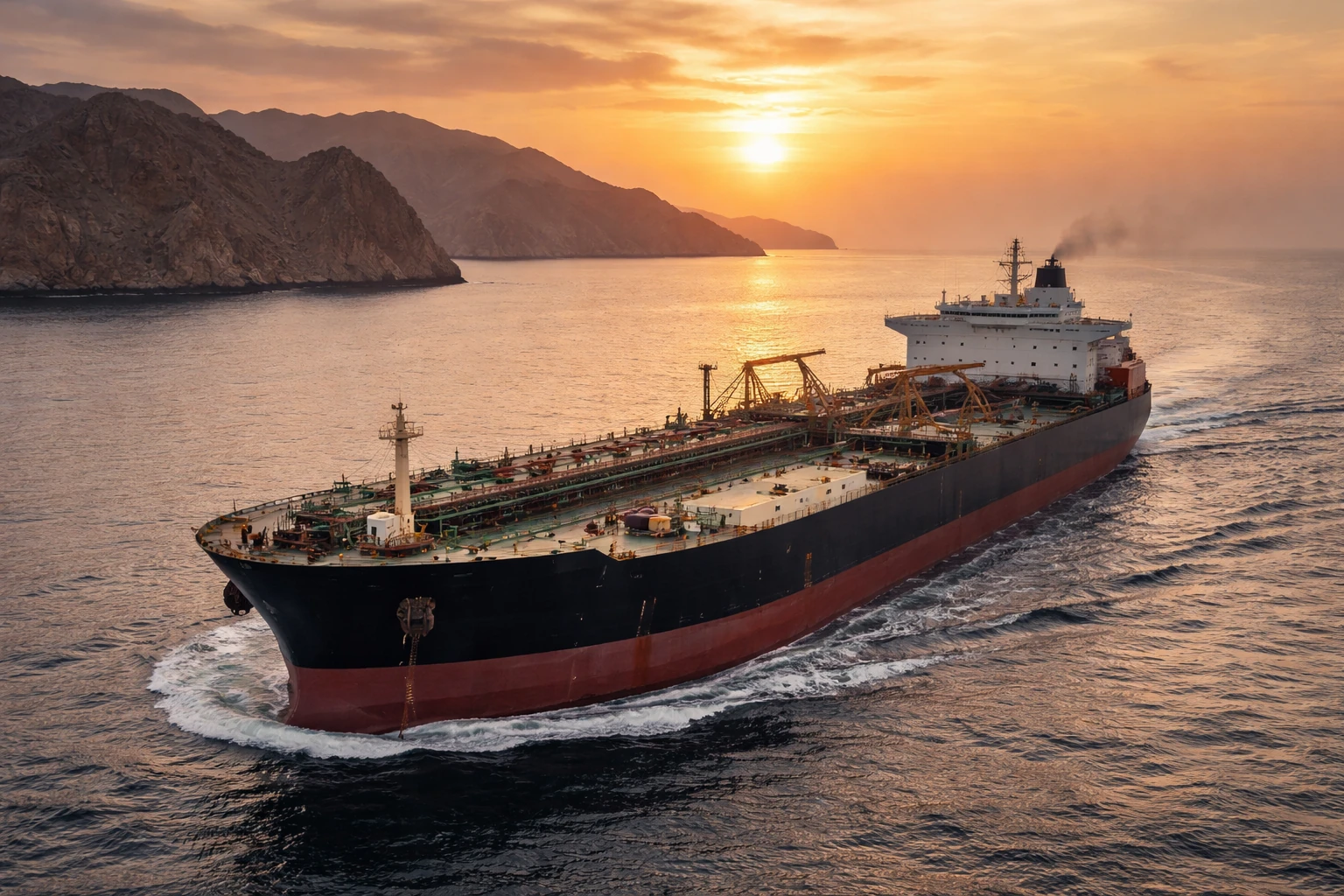
global Oil Prices Rise After Ships Attacked Near Strait of Hormuz
Global crude benchmarks moved higher Monday as oil prices rise after ships attacked near Strait of Hormuz, intensifying fears of supply disruptions in one of the world’s most critical energy corridors.
Early trading saw Brent and U.S. crude futures post gains amid reports of multiple vessels coming under attack near the narrow maritime passage connecting the Persian Gulf to the Arabian Sea. While investigations are ongoing, the geopolitical tension alone was enough to shake markets.
The Strait of Hormuz handles nearly a fifth of global oil trade. Even limited disruptions in the area can ripple across energy supply chains worldwide.
Why the Strait of Hormuz Matters to Global Oil
The Strait of Hormuz is an important choke point for energy shipments from major energy producers such as Saudi Arabia, Iraq, and United Arab Emirates.
Around 17-20 million barrels of oil are transported daily through the Strait of Hormuz. It makes this Strait one of the most strategic waterways in the world.
Any attack on merchant vessels in this area would immediately raise concerns regarding insurance costs and military escalation.
In past cases, even minor conflicts in this area have led to sudden increases in oil prices.
According to coverage from
Reuters Middle East and BBC News Middle East,
regional naval forces are assessing the situation, though no full closure of the waterway has been reported.
Market Reaction: Risk Premium Returns
Brent crude futures increased during early European trade, while US West Texas Intermediate followed suit with moderate gains.
Three key indicators are being closely monitored by energy traders:
Insurance costs for tankers
Rerouting of ships
Official statements from Gulf governments
If oil exports continue to flow smoothly, oil prices might stabilize. However, if security concerns persist, a geopolitical premium might persist.
Asian and European stock markets reacted differently to the news, while energy shares recorded moderate gains. Oil-importing countries, particularly those in Asia, are vulnerable to sustained oil price increases.
The attacks coincide with a tight global oil market due to production restraint by OPEC+ countries and seasonally rising oil demand.
Broader Geopolitical Context
Maritime tensions in the Gulf region have been a recurring theme in the last decade or so. Vessels of commerce have been associated with larger rivalries and regional conflicts.
While there has been no claim of responsibility, there are reports of behind-the-scenes efforts to avert any escalation.
Military experts observe that even without direct conflict, maritime insecurity can impact the economics of shipping.
For oil-dependent economies, managing inflation can be a challenge.
What Happens Next?
The next 72 hours are likely to determine the direction of prices.
If the passage is secured by the naval patrols and the flow of oil is resumed, the initial shock may ease. However, if the confirmation of structural damage, loss of ships, or retaliatory strikes is made, the prices are likely to rise.
The other source of interest would come from the updates on production levels by the main Gulf exporters and any signs of emergency meetings by the consuming nations.
As far as the energy analysts are concerned, the assumption of an ongoing rally is not yet made.
For now, the main feature is the volatility.
Disclaimer:
This article is based on publicly available information from reputable international news organizations and official sources at the time of writing. Developments may evolve as investigations continue.