





Why Did US and Israel Attack Iran and How Long Could the War Last?
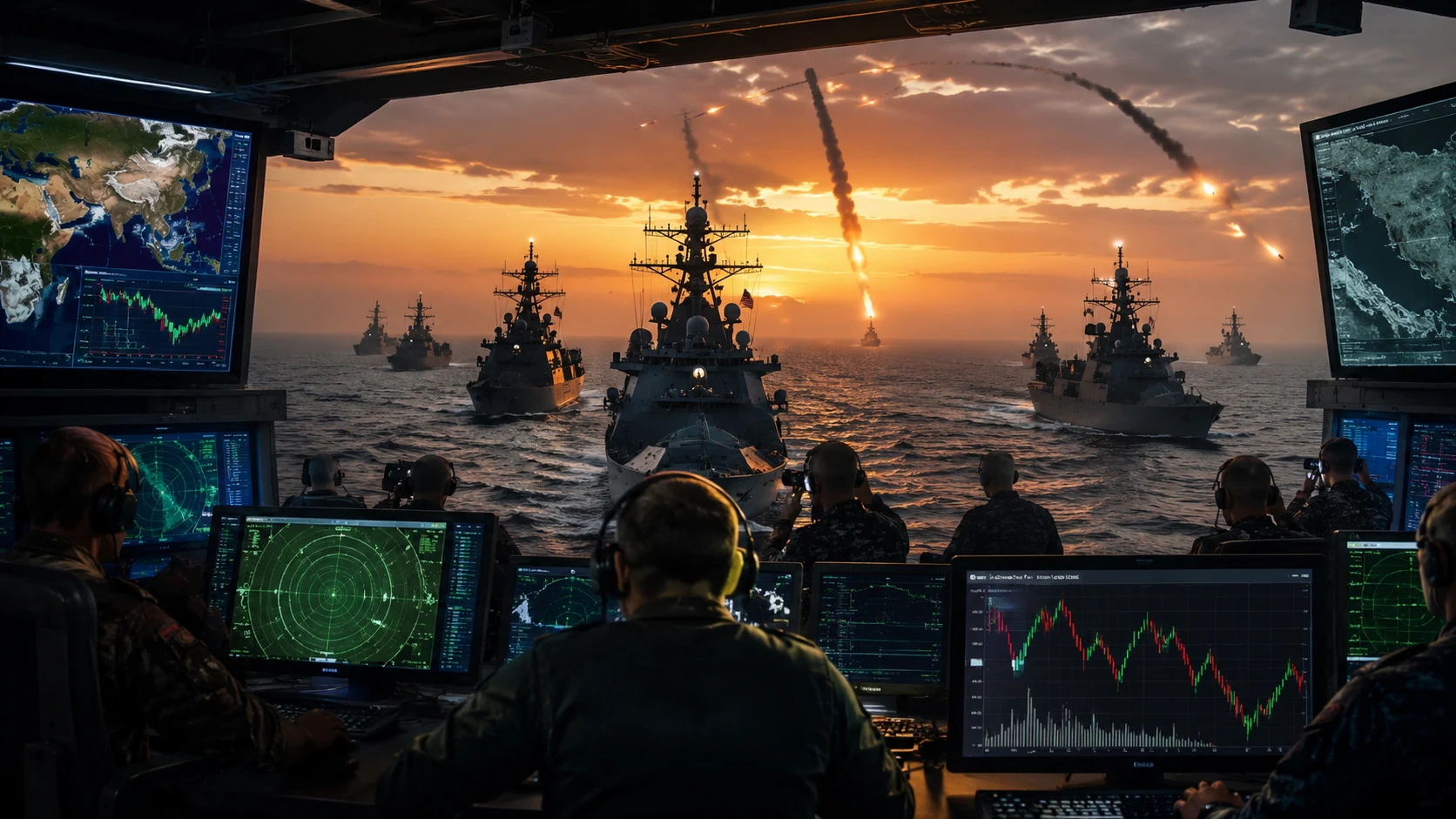
The issue that has become the main topic of discussion on the global frontiers is why the USA and Israel attacked Iran and how long the war will last. The ongoing war has created fears of a broader war, affected the energy balance, and created diplomatic tensions in Europe and Asia.
Although the USA and Israel claim that the strike on Iran was defensive and preemptive, the Iranian government has termed the strike as aggressive.
Why Did the US and Israel Launch Strikes?
According to official reports, the strikes were carried out on Iranian military targets involved in the development and deployment of missiles and regional proxy warfare. Both sides claim the strikes were carried out to prevent an impending security threat.
Tensions between the two countries have been building for some time over issues such as Iran’s nuclear program and its support for armed militias across the Middle East. The United States has repeatedly warned Iran that it will not allow the country to develop nuclear weapons. The same sentiment has been echoed by Israel on the issue.
Israel is especially concerned about the expanding capabilities of Iran’s missiles and its regional activities. The country has been saying for a while that it may be forced to take preemptive action if diplomacy fails.
From the perspective of the US, the strikes also reflect the broader strategic calculations the country has been making. The US has been seeking a balance between deterrence and escalation.
While the strikes were carried out with the aim of degrading capabilities rather than occupying territory, limited military action can easily escalate into a conflict.
Regional Fallout and Global Stakes
The immediate impact is seen on the Gulf region. Oil prices have shown a sharp reaction due to the concerns over the developments in the region, especially around the strategic waterway—the Strait of Hormuz.
Neighboring countries have shown caution and sought restraint from the conflict, fearing the impact on the sensitive political landscape. Diplomacy is still on the table, though the trust levels between the two sides are at an all-time low.
Major world powers like the European Union and China have sought de-escalation of the conflict. NATO members are also closely watching the situation but yet to be formally involved militarily.
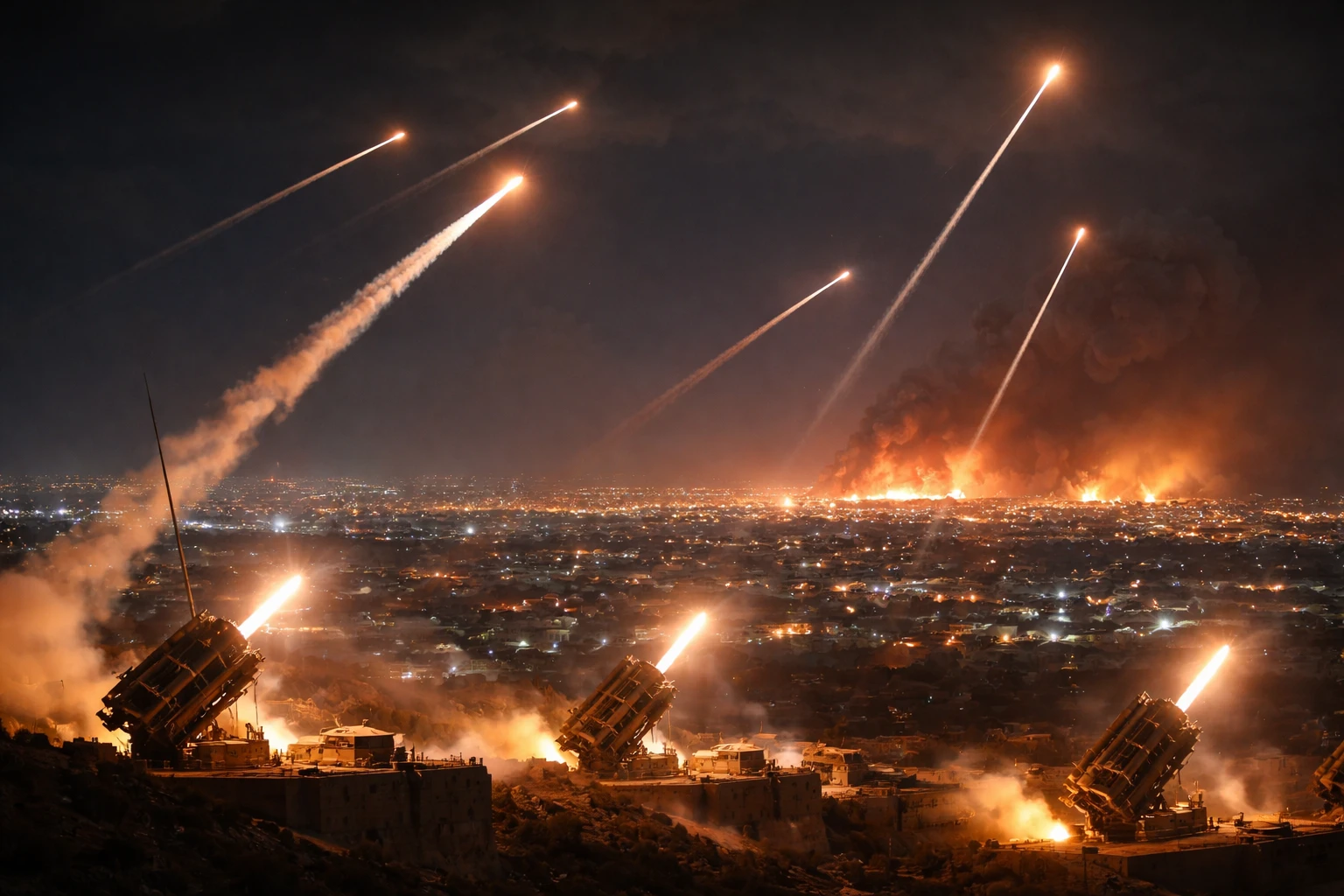
The extent of the conflict is also dependent on how Iran decides to retaliate. Missile strikes, cyber attacks, and proxy wars could expand the conflict beyond the direct engagement.
How Long Could the War Last?
It is difficult to estimate the duration of the campaign due to its dependence on strategic objectives and political limitations on all sides.
Should the campaign continue to consist of limited air and cyber strikes, analysts have estimated the duration to be weeks rather than months. This is due to the use of short and intense exchanges aimed at resetting deterrence.
Should Iran retaliate against US bases or Israeli cities, the situation can escalate quickly. This cycle of escalation can include additional regional actors.
Another factor to consider is domestic political pressure. Decisions made by leaders in Washington, Tel Aviv, and Tehran will play a critical role in determining whether escalation continues.
Direct military conflicts between the US and Iran have been limited and short-lived. However, miscalculations in high-pressure situations can lead to situations extending beyond expected durations.
Disclaimer:
This article is based on publicly available information from reputable international media outlets and official government statements. Developments are ongoing, and details may evolve as new verified information emerges.