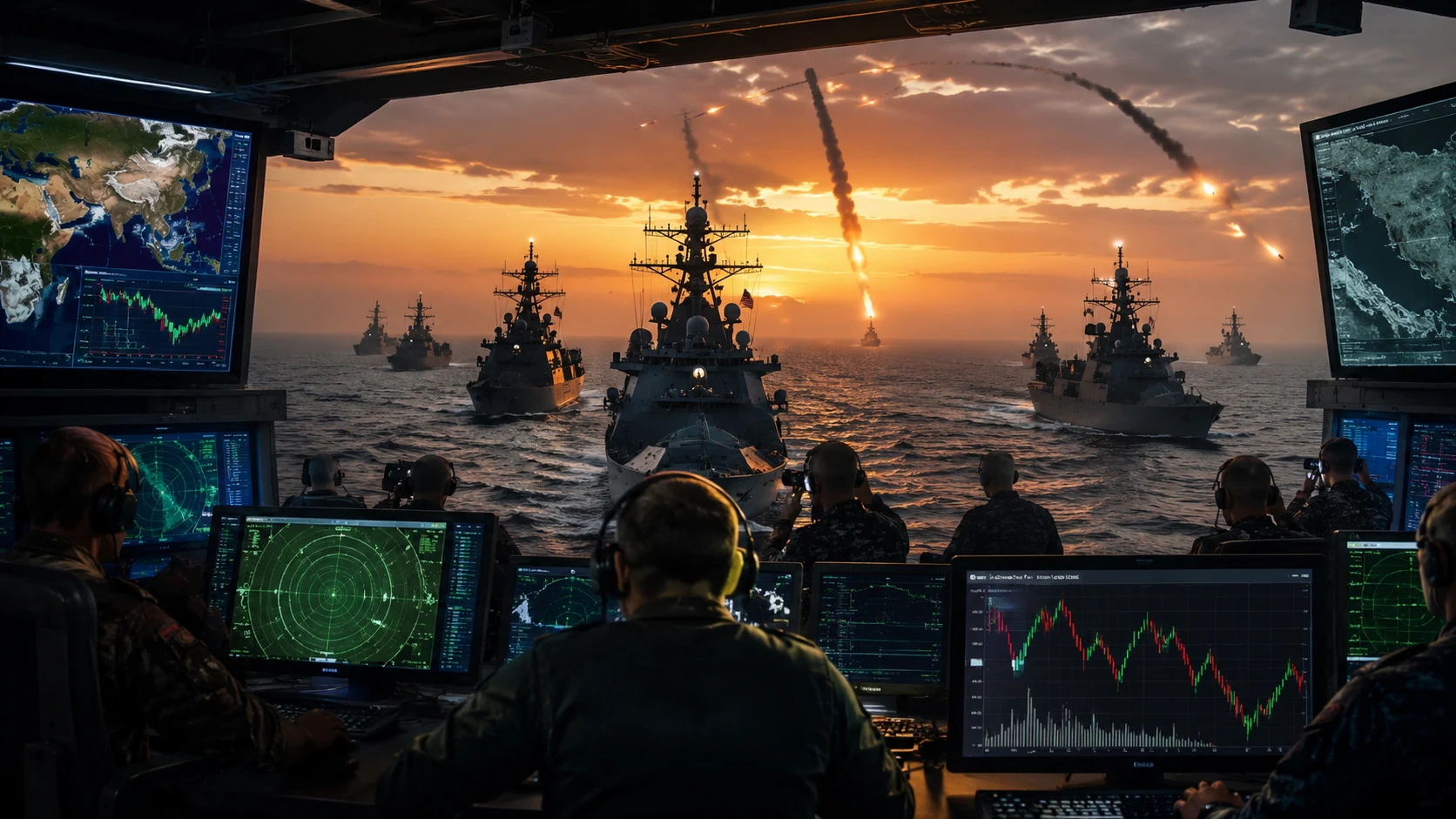







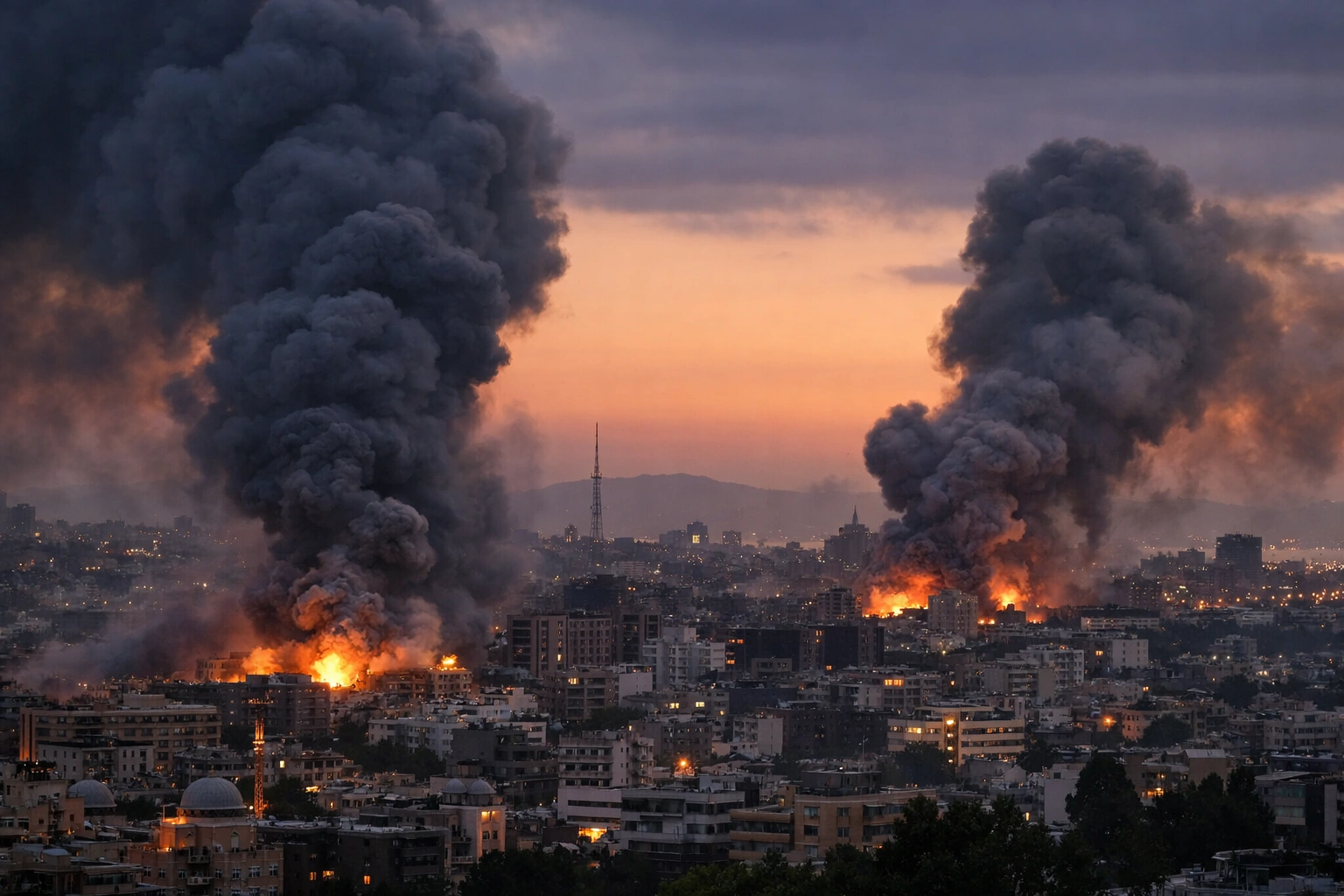
The phrase “Israel bombards Beirut and Tehran as US signals surge in strikes on Iran” is currently trending in international news headlines, especially with the rise in tensions in the Middle East region. Israel has reportedly carried out strikes in both Lebanon and Iran, while the United States has warned of a possible surge in strikes carried out by the military forces in the region, especially in Iran, which could happen “dramatically” in the near future.
This is reportedly one of the most volatile moments in the ongoing conflict in the Middle East region. Immediately after reports of explosions in both Tehran and Beirut, consultations in the region are reportedly being carried out, especially regarding the fear of the conflict spreading beyond the current battle lines.
Israeli Strikes Target Strategic Sites in Beirut and Tehran
Reports from regional media outlets and international sources suggest that Israeli aircraft were involved in coordinated attacks against areas believed to be associated with Iranian military infrastructure and associated parties.
In the Lebanese capital of Beirut, loud explosions were reportedly heard in areas associated with Iranian-backed militia groups. Witnesses claim that the blasts were followed by the sound of aircraft flying overhead.
In the Iranian capital of Tehran, several military-associated areas were reportedly hit overnight. Although the Iranian government confirmed the blasts, no further information was made available regarding the extent of the damage and loss of life.
Although Israel has not confirmed all the attacks, the country has made it clear that it will take action against the Iranian threat in the region.
US Signals Major Escalation in Military Operations
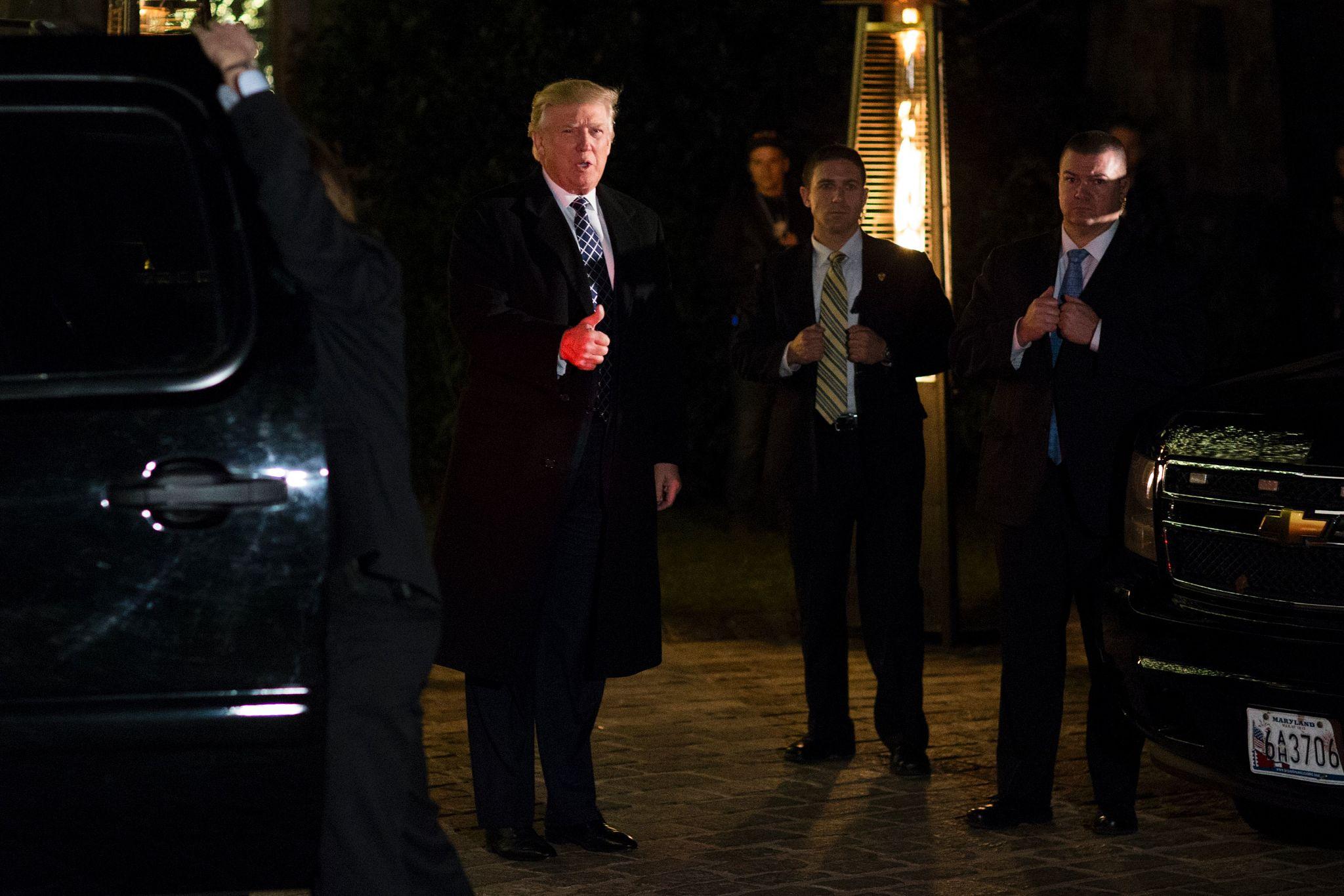
The situation has become even worse after the US officials said that the strikes on Iranian targets by the US could “surge dramatically.”
The US has already carried out strikes on Iranian assets in the region, especially in response to strikes on shipping routes and military positions.
The current situation has become worse after the US officials said that the strikes on Iranian targets could “surge dramatically.”
According to reporting by
https://www.reuters.com/world/
and analysis from
https://www.bbc.com/news
US policymakers are weighing multiple military and diplomatic options as the conflict evolves.
Officials have emphasized that any escalation would aim to deter further attacks and protect regional stability, though critics warn that expanded strikes could deepen the crisis.
The fact that the attacks are happening across the border has heightened tensions, especially among diplomats who are worried that the conflict could be moving from proxy attacks to direct attacks.
Gulf States Warn “All Red Lines Have Been Crossed”
The escalating war has also caused concern among Gulf countries, which are heavily reliant on the stability of the navigation routes and the energy markets.
Several Gulf officials have reportedly stated that “all red lines have been crossed,” indicating that the Gulf leaders are highly concerned about the escalating military activities among Israel, Iran, and the US.
The Gulf leaders have convened an emergency meeting to discuss the following issues:
Protection of the navigation routes
Prevention of attacks on the energy infrastructure
Prevention of a war in the region
The Strait of Hormuz, which is one of the most vital oil routes in the world, is a major source of concern in the event of an escalating war.
The diplomats of several Gulf countries are now seeking urgent international mediation to prevent the war from getting out of control.
What Happens Next
There are a number of key developments that military analysts say will influence the course of this crisis.
First, the Iranian reaction to this conflict will be a key factor. They could strike back, either directly or through their allies in the region.
Second, the level of escalation by the US military could influence the course of this conflict. A large number of strikes could escalate the conflict significantly.
Third, diplomatic pressure from international powers and Gulf states could influence this conflict, preventing a war at large.
Tensions are extremely high at the moment, with all governments watching this conflict hour by hour.
Disclaimer
This article is based on publicly available information from reputable international media reports and official statements. Details may evolve as the situation develops and new verified information emerges.