




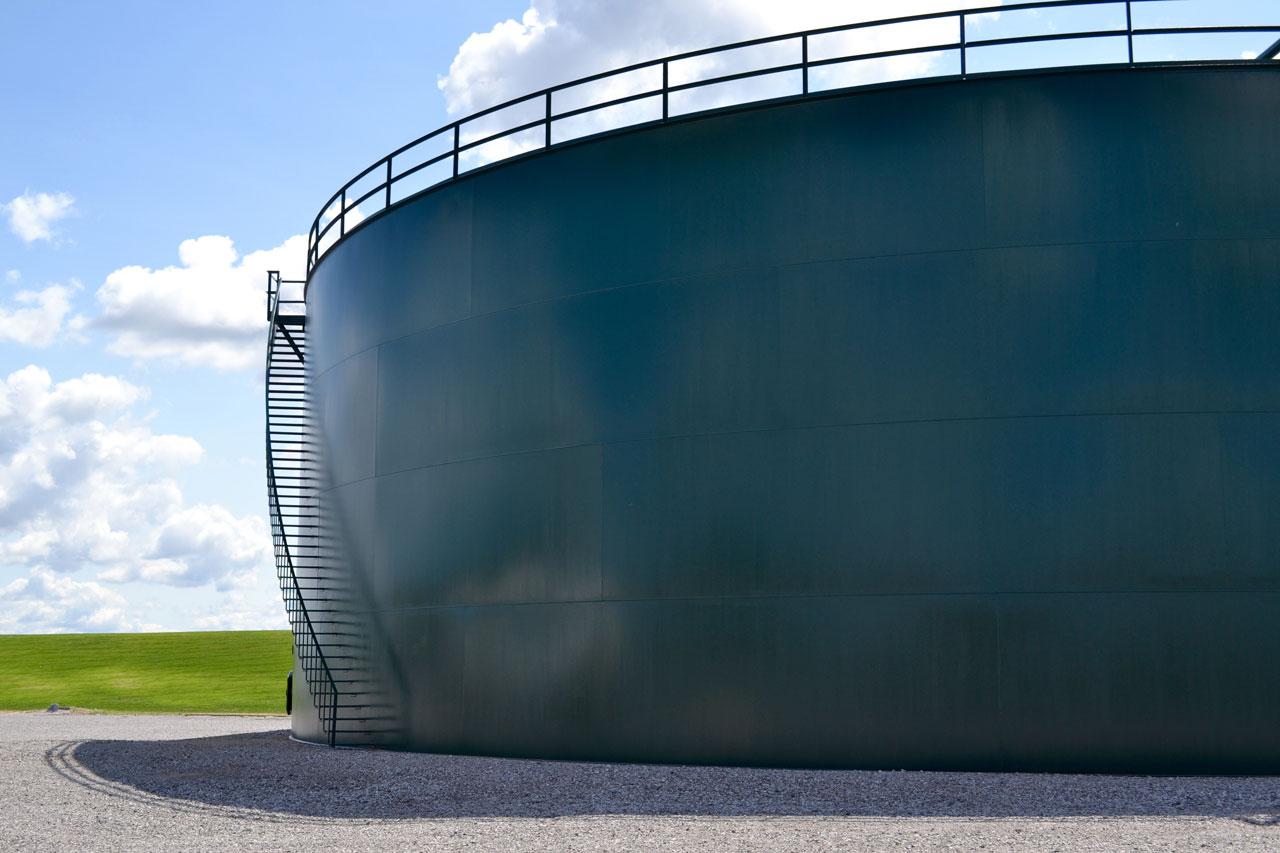
Rising tensions linked to the Iran conflict are disrupting fertiliser supply chains, raising concerns over global food production and agricultural stability.
Billions of Meals at Risk as Iran War Disrupts Global Fertiliser Supply
The ongoing conflict involving Iran is beginning to send shockwaves far beyond the Middle East, with one of the world’s top fertiliser executives warning that billions of meals could be at risk if the crisis continues.
Svein Tore Holsether, CEO of global fertiliser giant Yara International, said disruptions to fertiliser production and shipping routes could severely impact global food supplies in the coming months. According to him, the world is already losing nearly half a million tonnes of nitrogen fertiliser production because of the conflict.
The biggest concern revolves around the Strait of Hormuz — a critical shipping route through which a major share of the world’s fertiliser exports move. With tensions escalating in the region, shipments have slowed dramatically, creating fears of rising food prices and lower crop yields worldwide.
Fertiliser Crisis Could Trigger Global Food Shock
Holsether warned that reduced fertiliser use could lead to major declines in agricultural output, especially in poorer nations that cannot afford soaring prices.
He estimated that the current disruption could eventually translate into “up to 10 billion meals not being produced every week” if fertiliser shortages continue. Farmers across multiple countries are already facing rising fuel costs, expensive farming inputs, and unstable crop prices.
Nitrogen fertilisers like urea are especially important because they directly affect annual crop yields. Agricultural experts say some crops could see yield reductions of up to 50% if fertiliser applications are reduced during planting seasons.
Developing Nations Likely to Suffer Most
Industry analysts and global trade agencies have warned that wealthier countries may outbid poorer nations for limited fertiliser supplies, increasing the risk of food insecurity in vulnerable regions.
The United Nations and several economic institutions have already raised alarms about the possibility of worsening hunger and inflation if the conflict drags on. Fertiliser prices have reportedly surged sharply since the conflict escalated, adding more pressure on farmers and consumers alike.
Experts believe immediate food shortages may still be avoidable because many countries currently have grain reserves. However, if supply disruptions continue for several more months, the impact could become visible in global harvests next year.
Why the Strait of Hormuz Matters
The Strait of Hormuz is one of the world’s most important trade corridors for energy and fertiliser shipments. A significant portion of global urea and ammonia exports passes through the narrow waterway every year.
Any prolonged blockade or disruption in the region threatens not only oil markets but also global agriculture, since fertilisers are essential for maintaining large-scale food production. Analysts say the situation could become worse than the fertiliser crisis seen after the Russia-Ukraine war in 2022.
Disclaimer
This article is based on publicly available reports, industry statements, and international media coverage. Developments related to the Iran conflict and global fertiliser markets may change rapidly.