




Trump Warns NATO Strait of Hormuz Security Crisis Could Have “Very Bad” Consequences
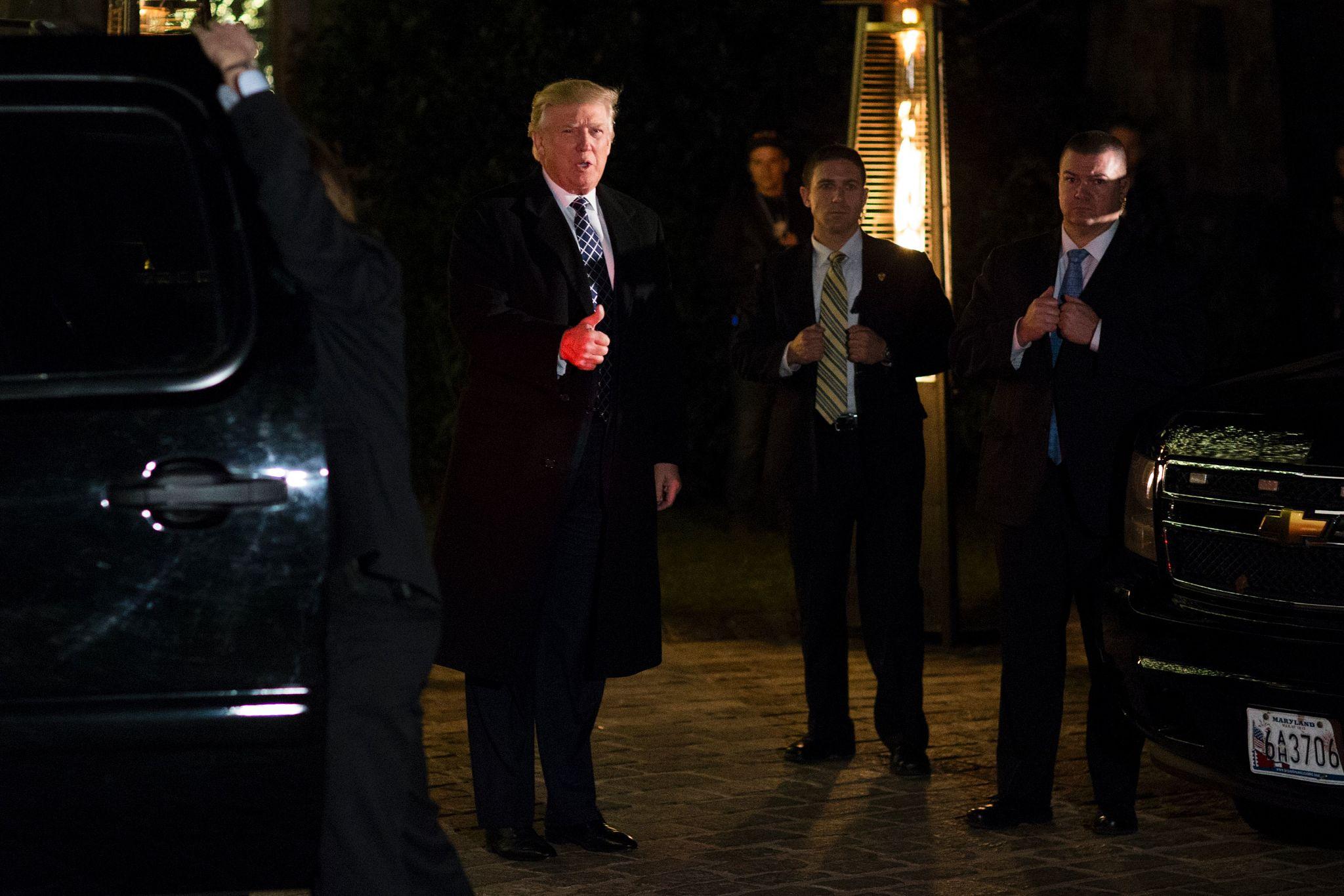
Former U.S. President Donald Trump has issued a warning to NATO that it could have a “very bad” future if its allies do not play a bigger role in securing the Strait of Hormuz shipping routes.
This warning comes as tensions are still running high around the Strait of Hormuz, which is one of the most important energy chokepoints around the world. Close to one-fifth of the world’s oil exports pass through the Strait, making any kind of security threat to it a big concern for the global energy markets.
Why the Strait of Hormuz Matters to Global Security
The Strait of Hormuz is located between Iran and Oman and serves as a link between the Persian Gulf, which is rich in oil, and the world.
If there is a disruption in the Strait of Hormuz, it can have serious implications for the world in terms of the prices of oil. Oil tankers carrying oil and natural gas from the Gulf countries use the strait every day.
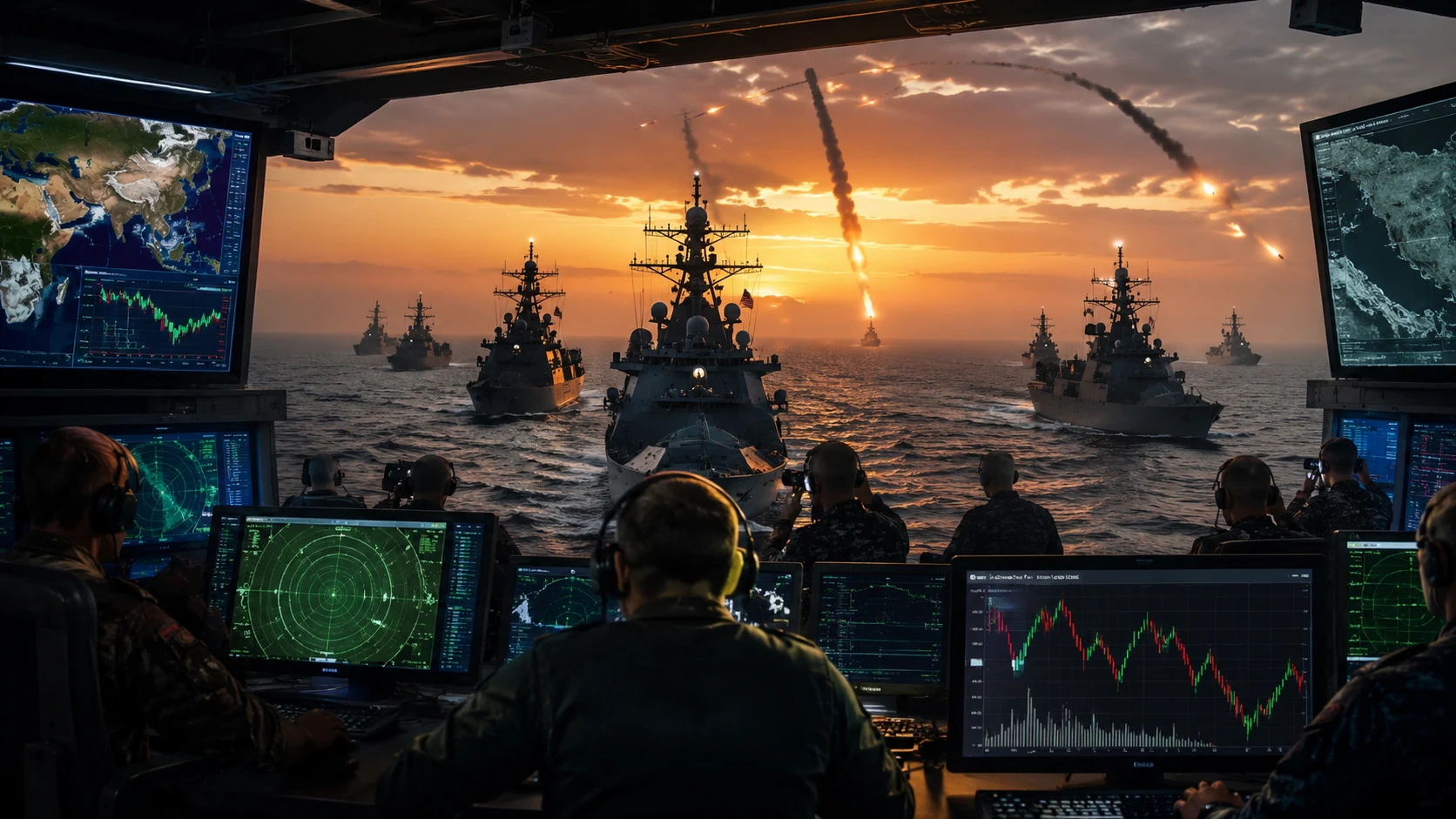
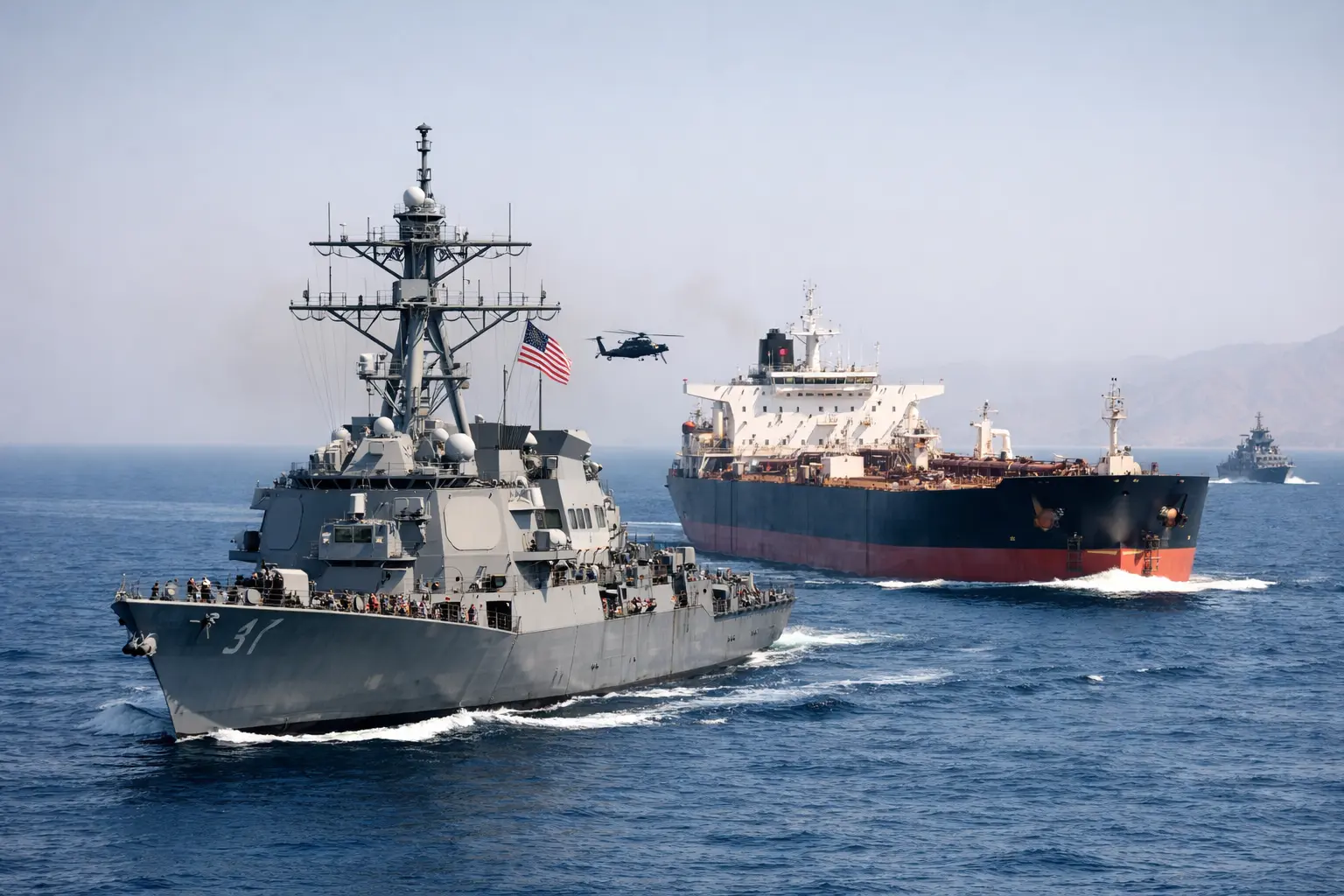
Security issues in the region have been increasing in recent times due to tensions in the region involving Iran and Western countries. Sometimes, the US and other countries have sent their warships to escort the ships passing through the Strait of Hormuz.
US President Trump said that the countries in the NATO alliance should play a more active role in ensuring the security of the Strait of Hormuz. He said that if they do not do this, it will undermine their credibility in handling future security issues in the world.
Experts say that this issue involves general concerns over how international alliances deal with emerging security issues in the world.
NATO Burden-Sharing Debate Resurfaces
Trump has been critical of NATO countries for not doing enough to support joint defense efforts. During his term as president, he called on European countries to spend more on their military and take on more responsibilities.
The debate has arisen again in the wake of the Strait of Hormuz security crisis. Trump believes that defending major trade routes is a responsibility that all NATO countries must share.
Some of the NATO countries have already taken part in maritime security missions in the region, although the extent of their involvement is not the same. It is also a fact that the NATO alliance has always concentrated on Euro-Atlantic security and not on long-range maritime security missions.
But with global trade being threatened by rising geopolitical tensions, the debate on the role of NATO is also undergoing changes.
For background on the strategic importance of the waterway, see this overview from the BBC
Reuters has also reported on security operations and tanker traffic in the region
Energy Markets Watching Closely
Even political rhetoric on the Strait of Hormuz can cause concern on global markets.
Energy analysts tend to focus on what major political leaders are saying, as they can be indicative of changes in security policy or even military strategy.
If the route becomes perceived as less secure, this can drive up oil prices due to supply chain disruption fears. Stability in this region is of strategic importance to energy-importing nations.
Shipping companies and insurers are also keenly interested in what is happening here, as increased risk can mean higher insurance costs for ships passing through the strait.
What Happens Next
For now, Trump’s words simply add to the ongoing policy conversation. NATO countries will continue to discuss their own role in securing international shipping routes. Some might even consider increasing their naval patrols or supporting international maritime forces.
A lot will depend on the overall geopolitical situation in the Middle East. If tensions in this region continue to simmer or even escalate, international cooperation on the Strait of Hormuz is likely to gain more support.
Disclaimer:
This article is based on publicly available information from reputable international news organizations and official statements. Details may evolve as new developments emerge.