






Commercial ships continue to pass through the Strait of Hormuz despite rising geopolitical tensions and security concerns
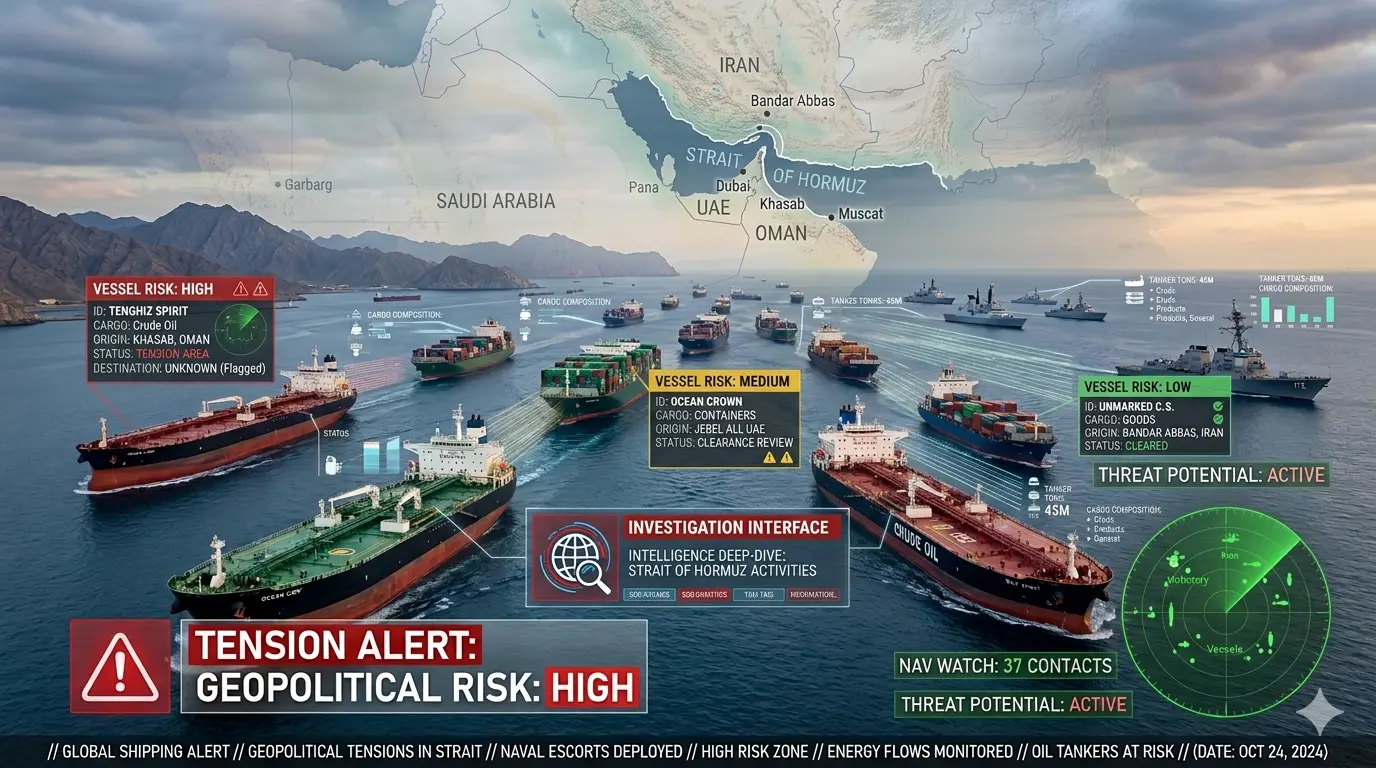
Nevertheless, despite the rising tensions in the region, close to 100 vessels daily continue to transit through the Strait of Hormuz, demonstrating its significance as a narrow waterway for maritime trade and oil transportation. The Strait of Hormuz is a strategically important maritime route that links the Persian Gulf and the Arabian Sea and is a key route for a large percentage of global oil and gas trade.
Who Is Still Shipping?
Shipping through the Strait of Hormuz is being kept alive by:
- Major oil-exporting countries such as Saudi Arabia, UAE, and Kuwait
- Energy companies worldwide that have to meet their long-term oil supply contracts
- International shipping companies that operate through the Strait of Hormuz in spite of increased security measures
Despite risks, energy shipments have not completely halted due to the world’s continued dependence on Gulf oil.
Military Presence and Security Measures
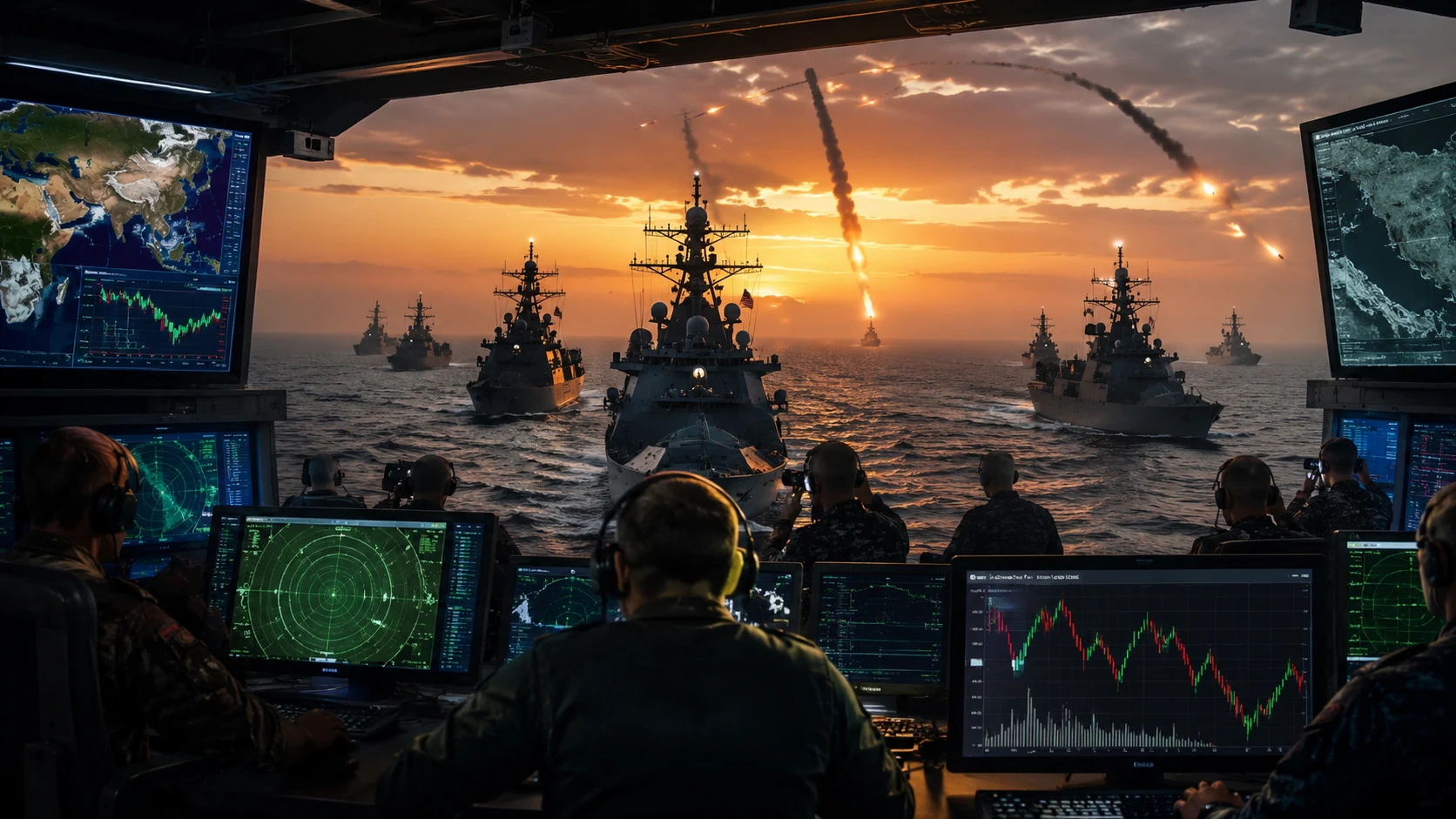
With tensions rising in the region, various nations have deployed their naval forces to ensure that commercial ships are able to pass safely through the region.
Various measures are being taken to ensure that commercial ships are not attacked or disrupted in any way. This includes shipping companies making appropriate alterations to their routes or schedules to ensure that commercial ships are able to pass safely through the region. In addition to that, the cost of insurance for commercial ships passing through the region has also increased significantly.
Why the Strait Cannot Be Avoided
There are various reasons why shipping cannot be avoided through the Strait of Hormuz. This includes
Any disruption in shipping through the Strait of Hormuz can result in:
- Cutting off a significant portion of global oil supplies
- Resulting in a steep increase in energy prices
- Any disruption in shipping through the Strait of Hormuz can result in a steep increase in energy prices.
Rising Risks for Global Trade
While ships continue to sail, the situation is still precarious. Any further escalation, including threats of attacks on oil tankers and closure of the strait, will have an immediate impact on global trade.
Analysts say that though trade is normal for now, the room for disruption is dwindling.
Outlook: A Critical Watchpoint
As tensions continue to build, so does the global interest in the Strait of Hormuz. The continued passage of ships is a testament to its strength, but it is also a reminder of what is at risk, as it is one of the most important trade routes globally.
The question is no longer how many ships are passing, but for how long.
Disclaimer
Before arriving at any conclusion based on what is presented within this report, it is strongly recommended that readers visit our Terms and Conditions page, available on our website. The content of this report is based on available and credible sources of information, as presented on various news outlets.