







Trump Iran Strait of Hormuz ultimatum raises fresh Middle East fears
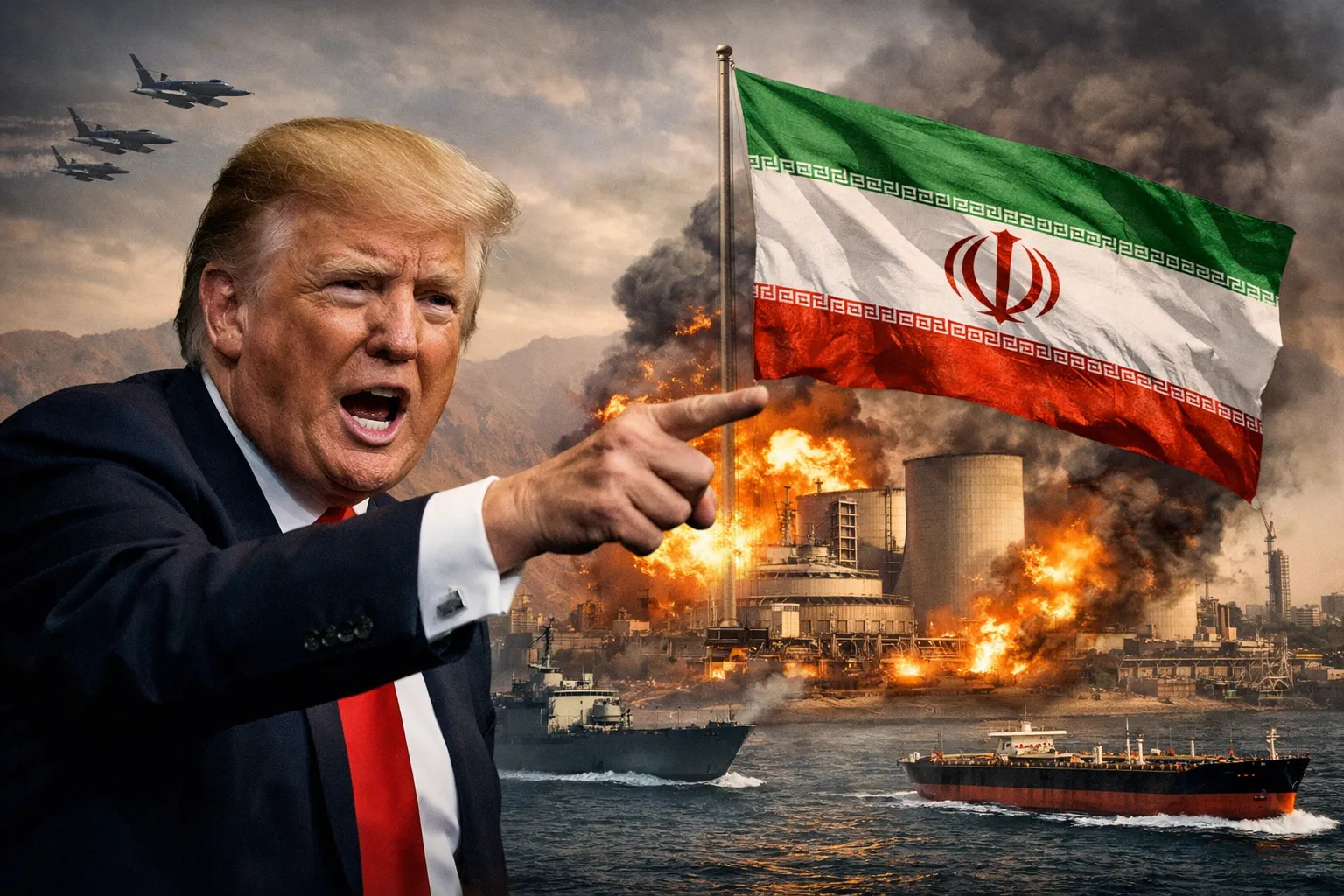
Threats by the United States’ President, Mr. Trump, to “hit and obliterate” Iran’s power plants if the latter does not reopen the Strait of Hormuz within the next 48 hours have been reported by Reuters on the 22nd of March, 2026, indicating one of the strongest threats made during the crisis so far. The Strait of Hormuz, one of the world’s most critical oil chokepoints, carries about a fifth of the world’s oil and gas trade. Therefore, the threat to the Strait has immediate repercussions on the energy market. Reuters reported that the Iranian restrictions on the Strait have already led to an increase in energy costs, and AP reported that the crisis has now raised concerns about a wider Middle Eastern conflict.
Why Trump’s warning matters now
What is interesting with the latest threat issued by Trump is the fact that the target is the civilian power infrastructure of Iran as opposed to the military installations alone. Reuters reported that the U.S. President issued a warning to Iran to the effect that the country’s largest power plants would be attacked if the Strait of Hormuz is not fully reopened within 48 hours.
What is also interesting is the fact that the warning was issued at a time when there was mixed messaging emanating from Washington. AP reported that the President had recently spoken about the intention to wind down the hostilities even as the U.S. was adding military assets to the region.
What is interesting with the situation is the fact that the implications of the situation to the market are quite clear. Reuters reported that the threat of the blockade has already been adding to the pressure on the prices of oil globally, with the Strait of Hormuz becoming a critical issue with implications going beyond the Middle East region.
Iran’s response and the wider regional risk
Iran has said that it would retaliate if its infrastructure is attacked. Reuters said Iran made the threat to attack the U.S. and its allies’ infrastructure in the region, while AP said Iranian forces have escalated the conflict with their missile activities.
This is important because the current situation is no longer considered to be a maritime issue. Reuters and AP said the situation is bigger than the Hormuz issue because of the missile attacks, counterattacks, and the concerns about the region being escalated into a larger issue with the region’s critical energy and military infrastructure.
The situation surrounding the Hormuz issue is critical because the region is not just symbolic; the region is a critical export route for the Gulf region. The closure or mining of the region or the military standoff can create significant issues with insurance rates, the use of the region for the military, or the use of the region as a route to refineries around the world. Reuters said the situation with the ships is the core issue right now as a pressure point for the governments involved.
What happens next
The next 48 hours may be crucial for the oil market, the Middle Eastern countries, and the allied governments. If Iran relieves some restrictions, the market may be normalized for some time. On the contrary, the chances of direct attacks on the infrastructure may escalate. Reuters stated that the ultimatum was made by Trump, and the deadline to reopen the Strait of Hormuz has now become the immediate concern for the diplomats and the military.
The second concern is whether the United States has the support of its allies to take any action. Recent reports have indicated that the United States’ allies may be hesitant to take part in the growing crisis. This may be a major concern for the United States, especially when the threat to the maritime route increases. The third concern is whether Iran considers the ultimatum a threat to negotiate or to take retaliatory action. AP and Reuters reports have indicated that the chances of escalating the crisis may be high, especially after the attacks and retaliatory attacks on the infrastructure.
Disclaimer: This article is based on publicly available reporting from reputable sources including Reuters and AP