







Electric Cars During High Fuel Prices: What Drivers Need to Know
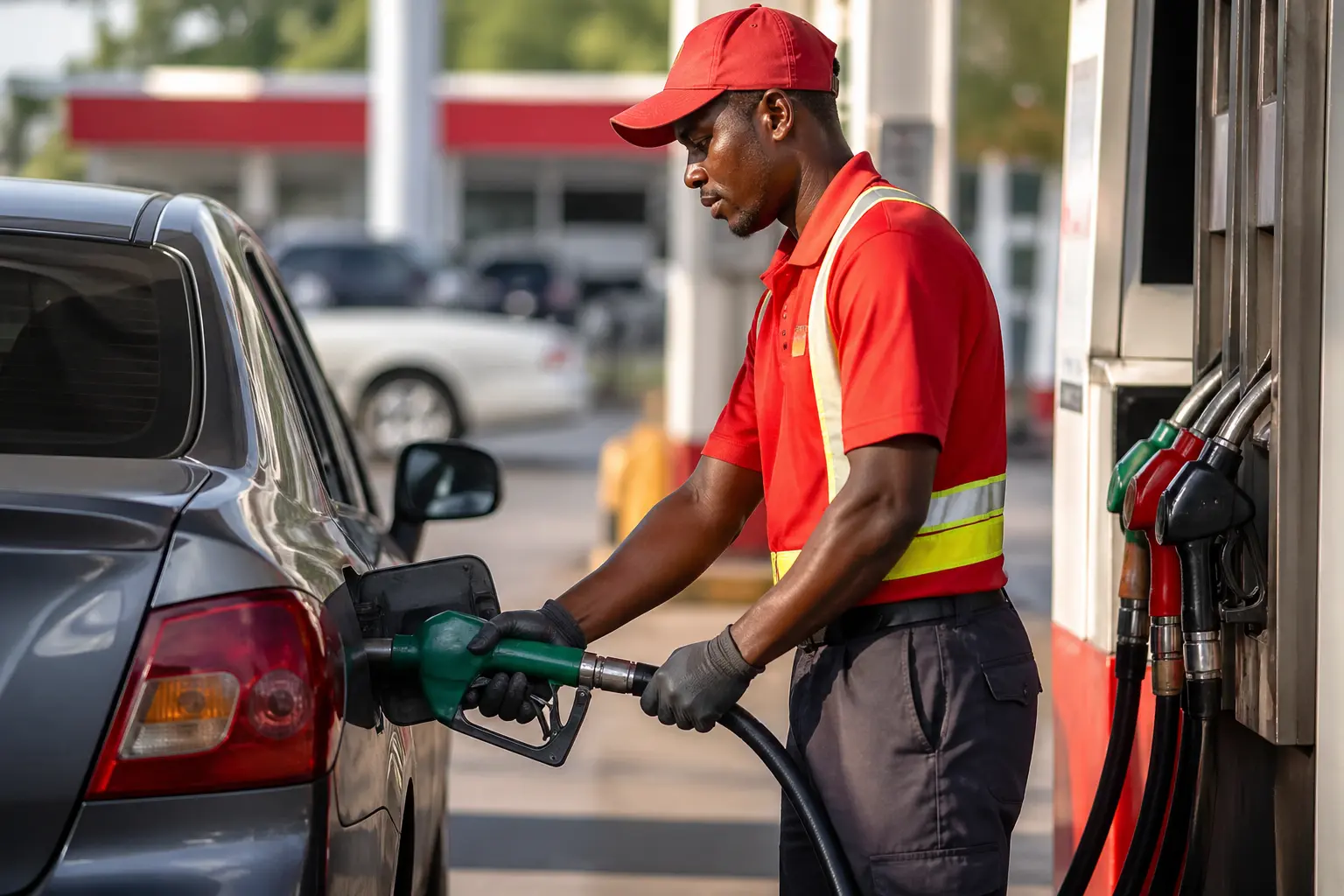
With fuel prices rising around the world, the issue of “electric cars during high fuel prices” is becoming a practical consideration for car owners. With the rising fuel prices of petrol and diesel, it is not only the cost of commuting that is affected, but the whole perspective of car ownership is also being changed.
While electric vehicles have traditionally been considered niche products or futuristic concepts, they are now being considered a cost-control measure.
Why Electric Cars Become Attractive When Fuel Prices Rise
When fuel prices surge, the most immediate impact is on monthly transportation expenses. Traditional vehicles depend heavily on petrol or diesel, both of which are subject to geopolitical tensions, supply disruptions, and currency fluctuations.
Electric cars, by contrast, rely on electricity, which tends to be more stable in price.
In India, for example, charging an EV at home can cost significantly less per kilometer compared to refueling a petrol vehicle. Over time, this difference can translate into substantial savings, especially for daily commuters or ride-share drivers.
Another factor is reduced maintenance. EVs have fewer moving parts—no engine oil, fewer mechanical components—which lowers servicing costs.
Cost Comparison: Upfront vs Long-Term Savings
One of the biggest hurdles for EVs is their initial cost. Generally, electric vehicles are more expensive to buy. However, this difference is gradually reducing over time due to government incentives and competition.
The actual benefit comes over time.
Less operating cost per km
Less maintenance cost
Possibility of tax benefits or subsidies
Savings from fuel price increases
The “breakeven” point, where the savings from EVs equal the extra cost, can be as short as a few years.
Charging Infrastructure and Daily Convenience
A common concern is charging availability. While infrastructure is still developing, urban areas are seeing rapid expansion of public charging stations.
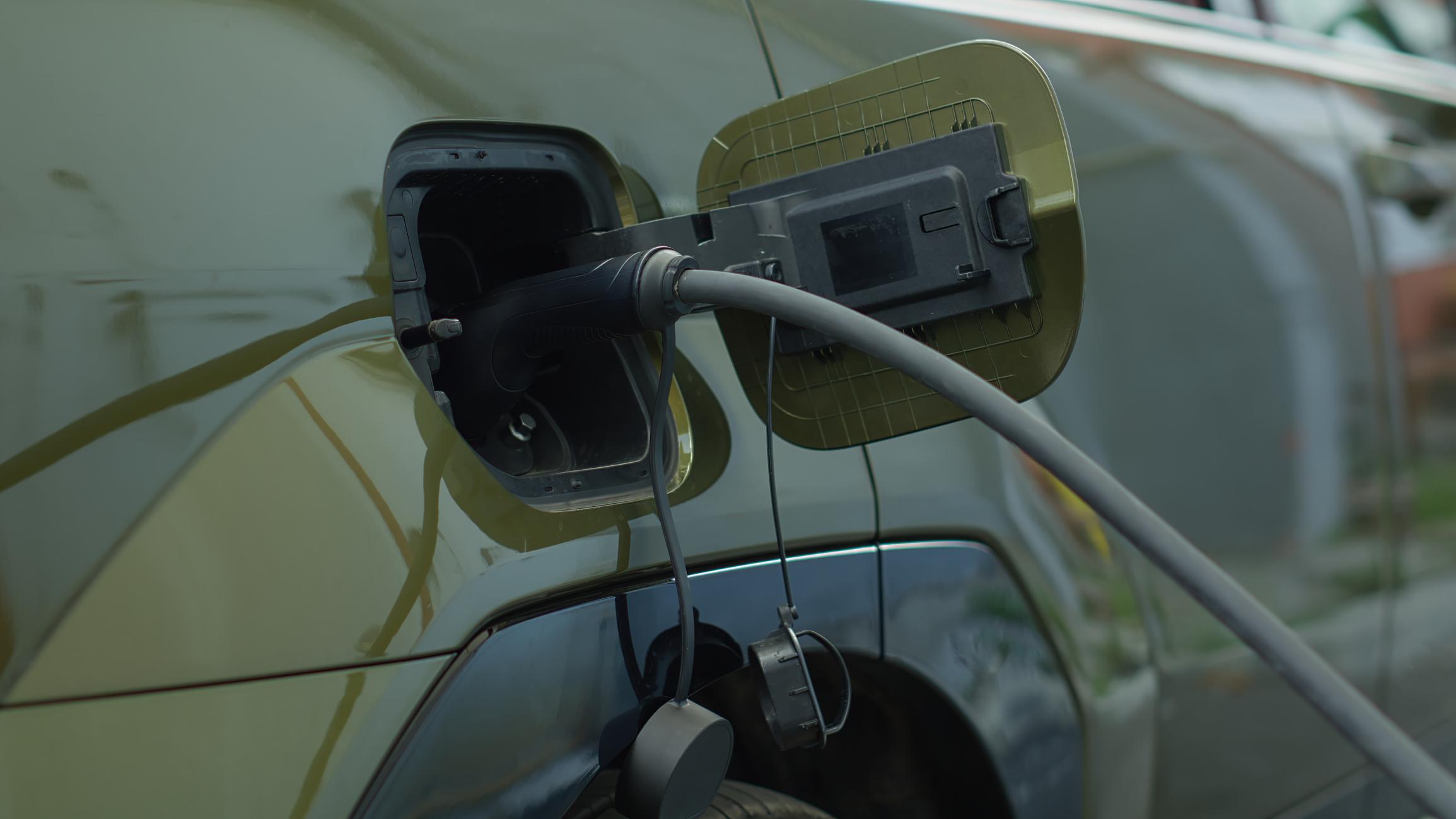
Home charging remains the most convenient option for many users. Overnight charging can provide a full battery for daily use, eliminating frequent trips to fuel stations.
However, long-distance travel still requires planning. Fast-charging networks are improving, but they are not yet as widespread as petrol pumps in many regions.
Environmental and Policy Factors Driving EV Growth
Apart from cost considerations, another factor which is having a major impact is environmental concerns. For instance, electric cars do not emit any greenhouse gases.
Governments across the world, including India, are encouraging the use of EVs through:
Subsidies under the FAME (Faster Adoption and Manufacturing of EVs) schemes
Waiver of taxes on the roads
Incentives to manufacture EVs
These factors add to the cost benefits of opting for electric cars.
Challenges Buyers Should Still Consider
As fuel prices remain unpredictable, the shift toward electric mobility is expected to accelerate. Automakers are investing heavily in EV technology, while governments continue to expand incentives and infrastructure.
Battery technology improvements could further reduce costs and increase driving range in the coming years. At the same time, competition in the EV market is likely to bring more affordable options for consumers.
For now, electric cars are transitioning from an alternative choice to a mainstream solution—especially in times of rising fuel costs.
Disclaimer:
This article is based on publicly available information from reputable sources and general industry trends. It is intended for informational purposes only and does not constitute financial or purchasing advice.