






Pentagon Iran Ground Operations Threat: US Weighs Next Move as Iran Expands Warnings
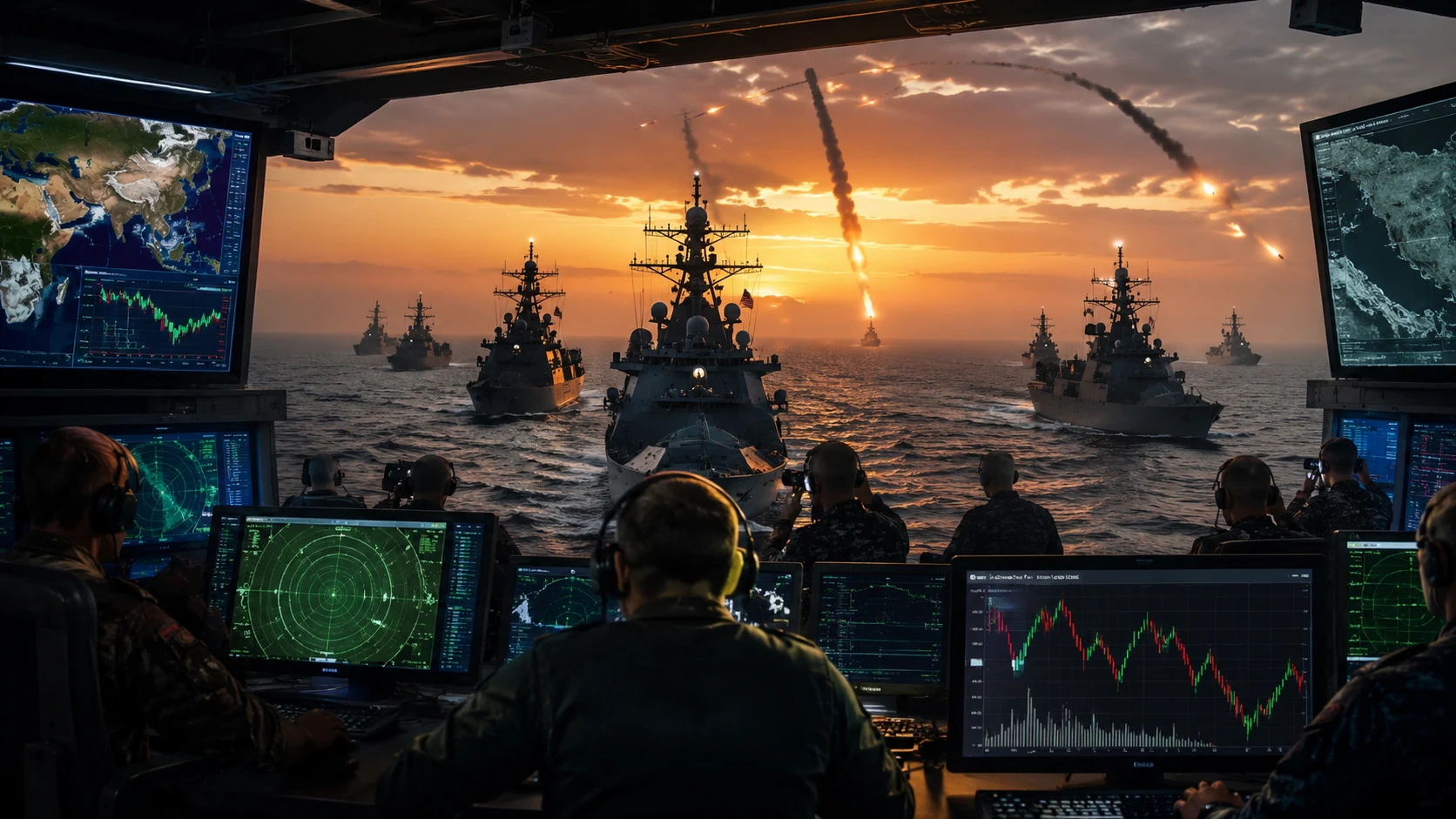
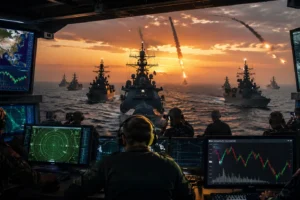
The Pentagon Iran ground operations threat is moving into a more serious phase, with the United States quietly preparing for possible ground missions even as Iran broadens its warnings beyond traditional military targets.
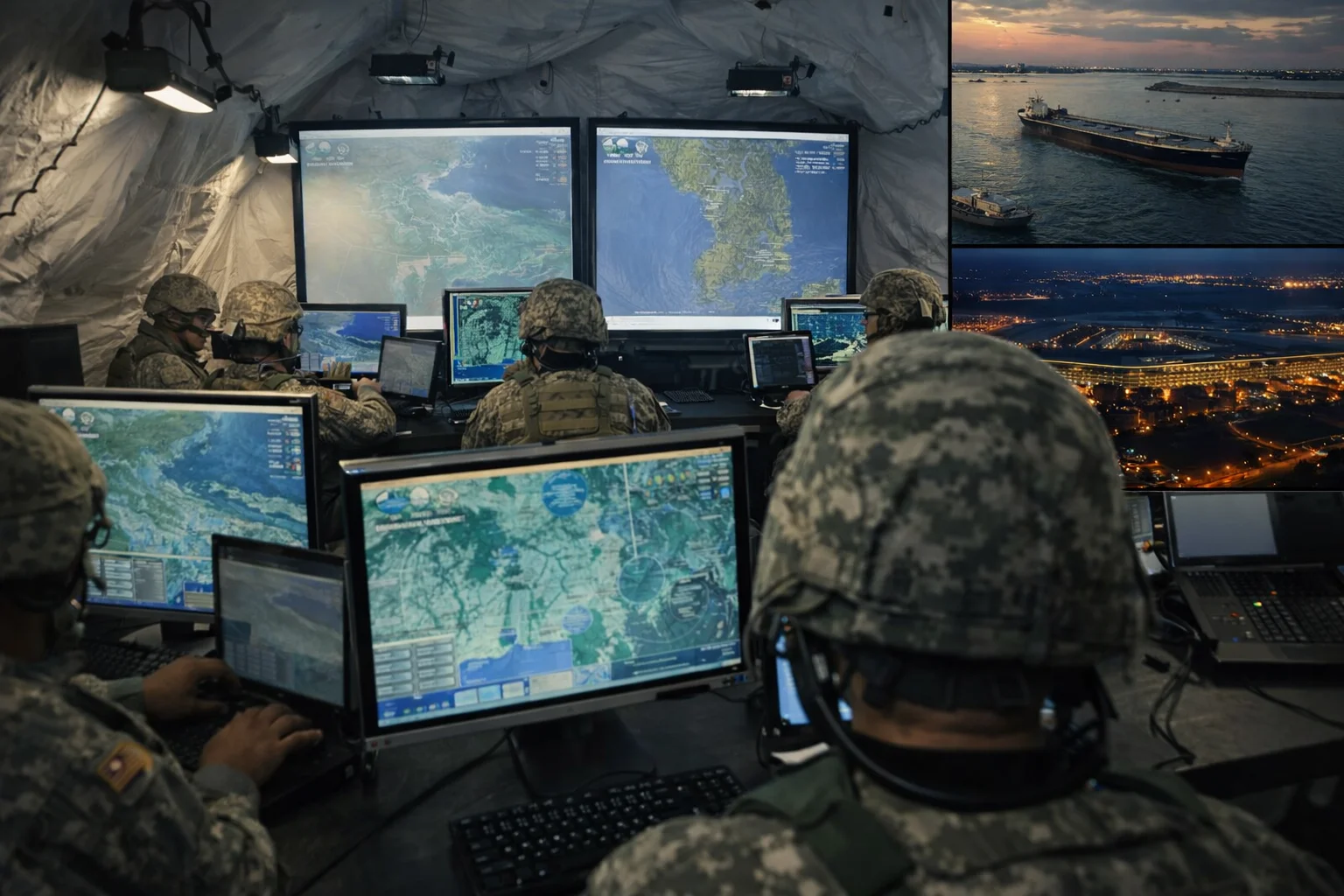
Recent reports suggest US defense planners are no longer looking only at airstrikes or naval actions. Instead, they are evaluating limited, targeted ground operations that could unfold over several weeks if tensions continue to rise.
At the same time, Iran has issued a new and unusual warning — suggesting that US-linked universities in the Middle East could be at risk, signaling a shift in how the conflict may evolve.
A Shift Toward Limited Ground Action
US officials appear cautious, but the planning itself signals intent.
Rather than a large-scale invasion, the focus is on short, strategic missions. These could involve special forces, rapid deployments, and operations aimed at key locations tied to Iran’s military or energy infrastructure.
Areas like the Strait of Hormuz — a critical artery for global oil supply — are being closely watched. Any disruption there would have immediate global consequences.
Additional US troops have already been moved into the region, giving Washington the flexibility to act quickly if needed.
Still, no final political decision has been made, and much depends on how the situation unfolds in the coming days.
Iran’s Warning Signals a Broader Conflict
Iran’s latest messaging stands out.
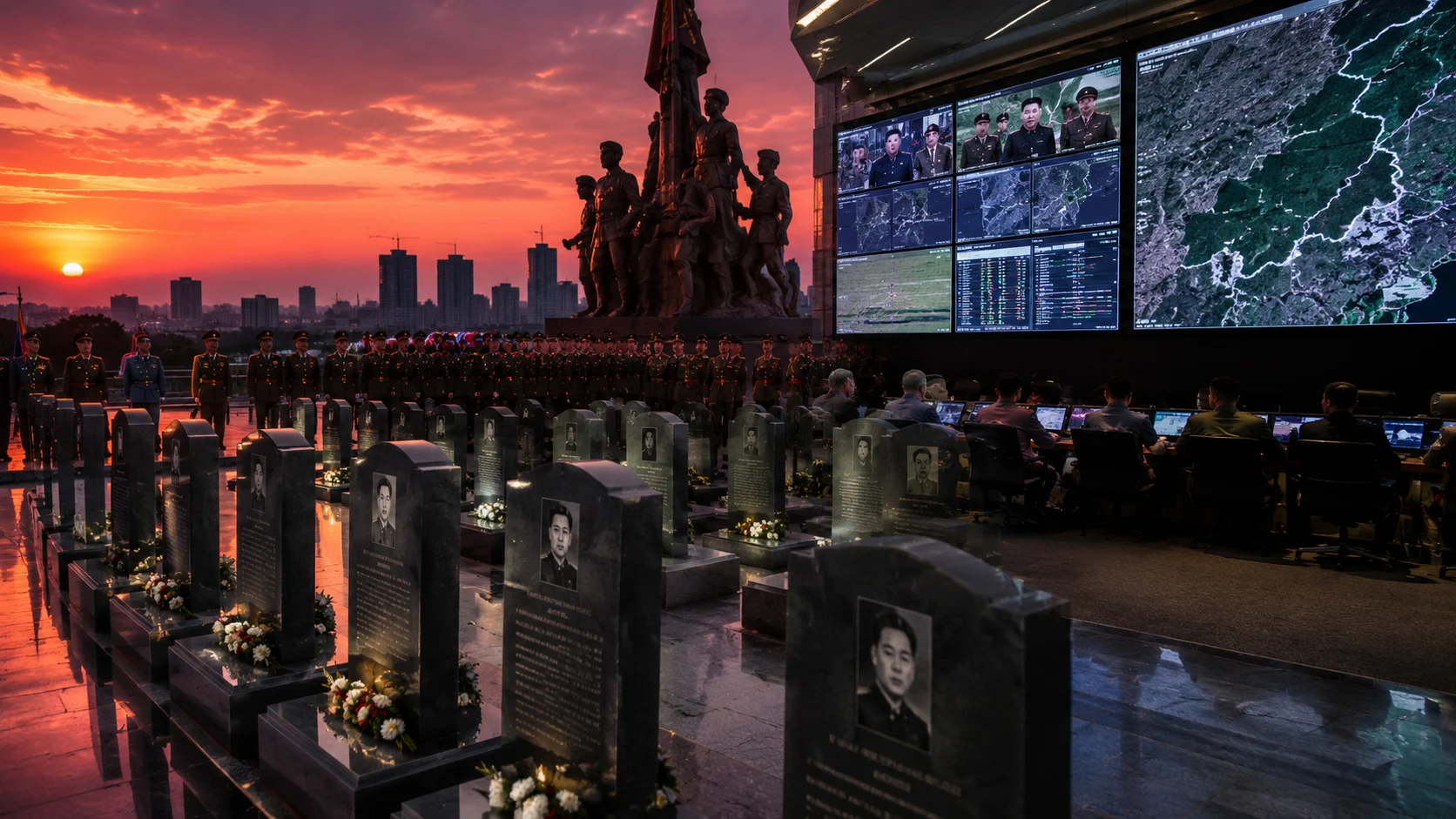
Instead of limiting its threats to military bases or naval assets, Tehran has pointed to institutions linked to the US and Israel, including universities operating in parts of the Middle East.
That kind of warning raises fresh concerns because it blurs the line between military and civilian spaces.
Officials in the region are now watching closely for any signs that the conflict could spill into areas previously considered outside direct confrontation.
It also reflects a broader strategy — increasing pressure not just on military targets, but on symbolic and international institutions tied to Western influence.
Tensions Rising on the Ground
The situation has already escalated significantly in recent weeks.
There have been multiple missile and drone attacks on US-linked positions, leaving hundreds of American personnel injured. In response, Washington has steadily increased its military presence across key locations in the Middle East.
There are also discussions around sending additional troops, which would further strengthen US readiness if the conflict deepens.
Meanwhile, Iran and its regional allies continue to demonstrate their reach, particularly in strategic maritime zones.
Why This Matters Globally
This is no longer just a regional standoff.
The Strait of Hormuz alone handles a significant portion of the world’s oil shipments. Any disruption there could quickly push energy prices higher and ripple through global markets.
At the same time, expanding targets — especially beyond military infrastructure — increase the risk of unpredictable escalation.
Markets, governments, and security agencies worldwide are now watching closely.
Disclaimer
This article is based on publicly available information from reputable sources such as Reuters and BBC. The situation is evolving and may change rapidly.