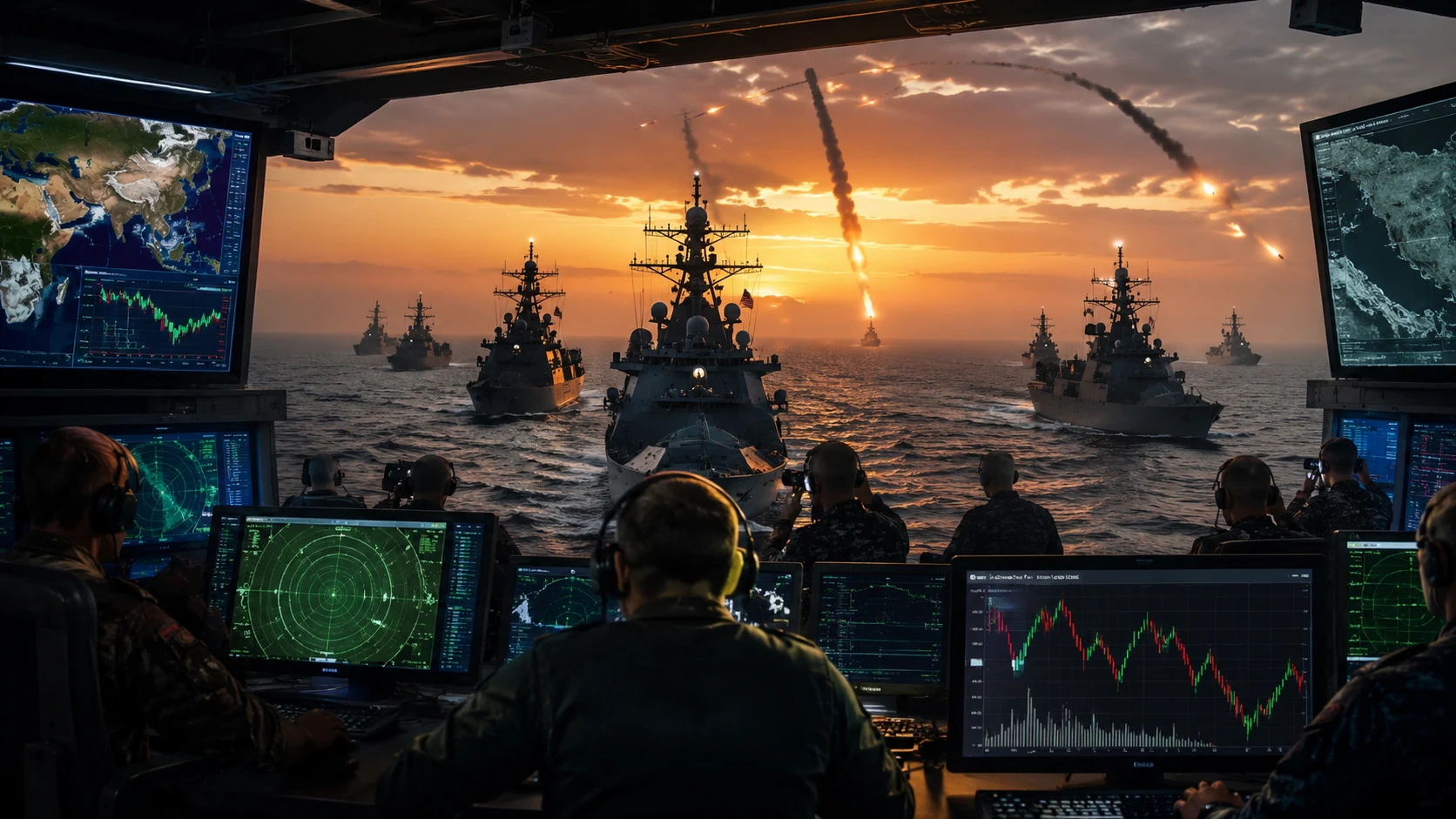






Key global shipping routes like the Strait of Hormuz and Suez Canal are becoming focal points of geopolitical tension.
Rival Nations Seize On Choke Points to Counter Trump
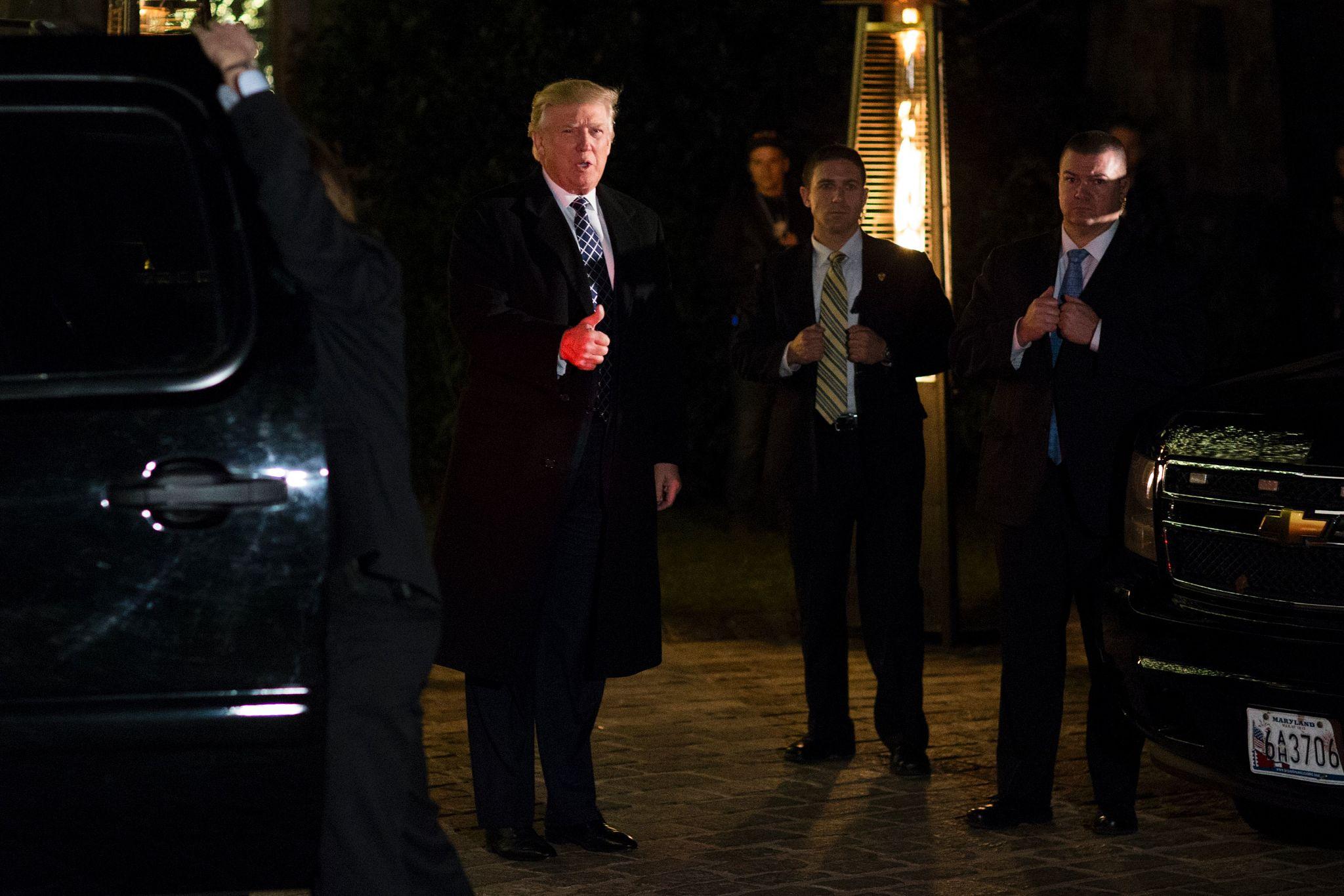
As tensions rearrange the global politics landscape, global choke points geopolitical strategy has emerged as a significant strategy for rival nations seeking leverage against the policies pursued by Donald Trump.
From strategic sea lanes to narrow shipping corridors, these areas are becoming the focal point of a new phase of global geopolitics that could have a direct impact on the global economy.
Why choke points matter more than ever
Choke points are narrow routes that carry a disproportionate share of global trade. Key examples include the Strait of Hormuz, the Suez Canal, and the Panama Canal.
Roughly one-fifth of the world’s oil passes through the Strait of Hormuz alone. Any disruption—whether through military tension or policy maneuvering—can quickly ripple across global markets.
In recent years, rival nations have increasingly recognized that controlling or influencing these corridors can offer leverage without direct confrontation.
How rival powers are responding
Countries that do not align with the geopolitical policies of the Trump administration are trying to adapt by either strengthening their hold on strategic routes or by signaling their ability to disrupt them.
For example, Iran has continued to point to its strategic advantage with regard to the Strait of Hormuz. Another example is China, which has continued to expand its maritime presence by investing in port and maritime infrastructure through its Belt and Road initiative.
Russia, for its part, has sought other trade and energy routes not dominated by the West.
It is not necessarily a matter of closing the route, but signaling capability.
Economic risks and global impact
The weaponization of choke points creates a new element of uncertainty in the global market.
Oil prices are known to increase at the first sign of instability in key routes. There are chances that shipping rates may increase, as well as a rise in inflationary pressures, particularly for import-dependent economies.
For countries like India, which are import-dependent for oil, there are chances that even a temporary disruption may have significant economic consequences.
A shift toward strategic geography
The significant aspect of this trend, however, lies in the move away from traditional military confrontations towards geographic leverage.
This approach allows countries to exercise influence without resorting to full-scale wars, making it a highly desirable strategy in a multipolar world.
Disclaimer:
This article is based on publicly available information from reputable international sources and is intended for informational purposes only.