





Iran Rejects US Terms After 21-Hour Islamabad Talks
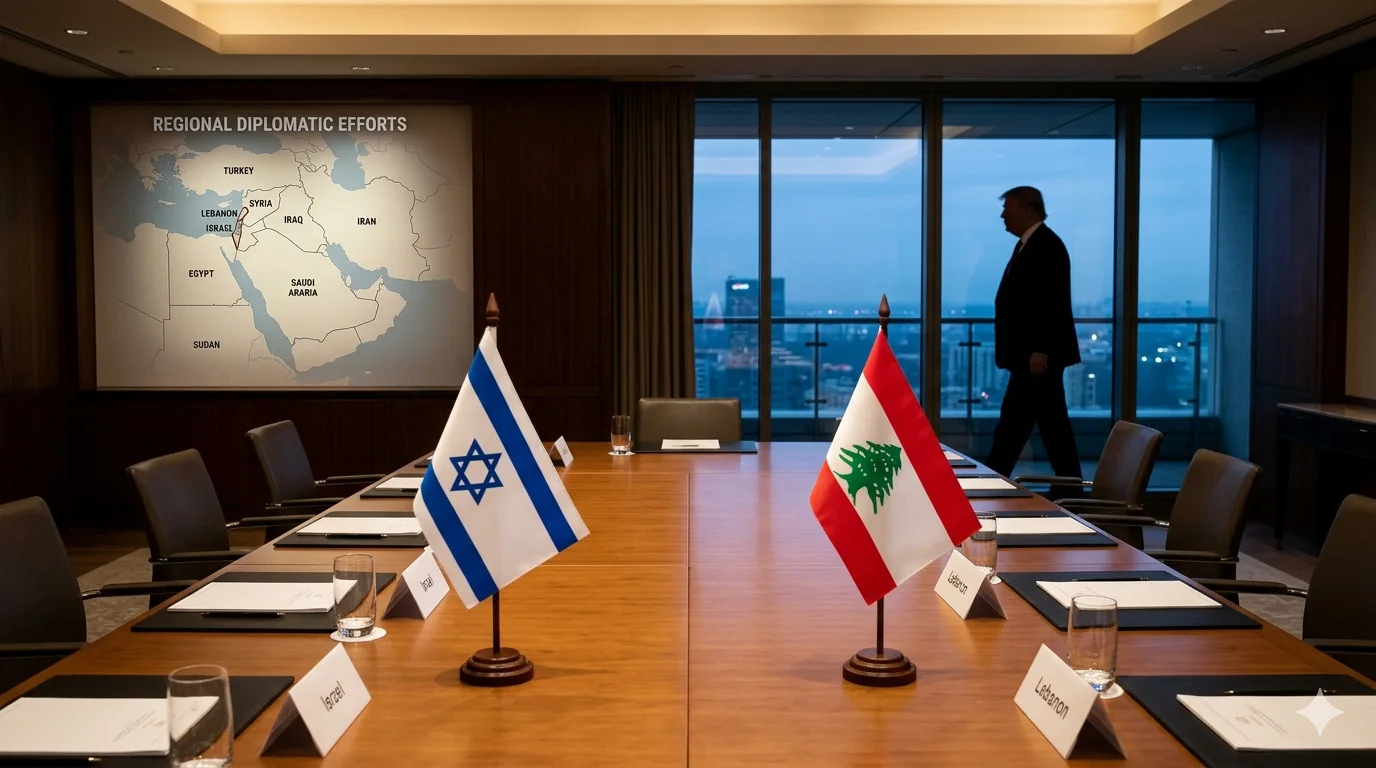
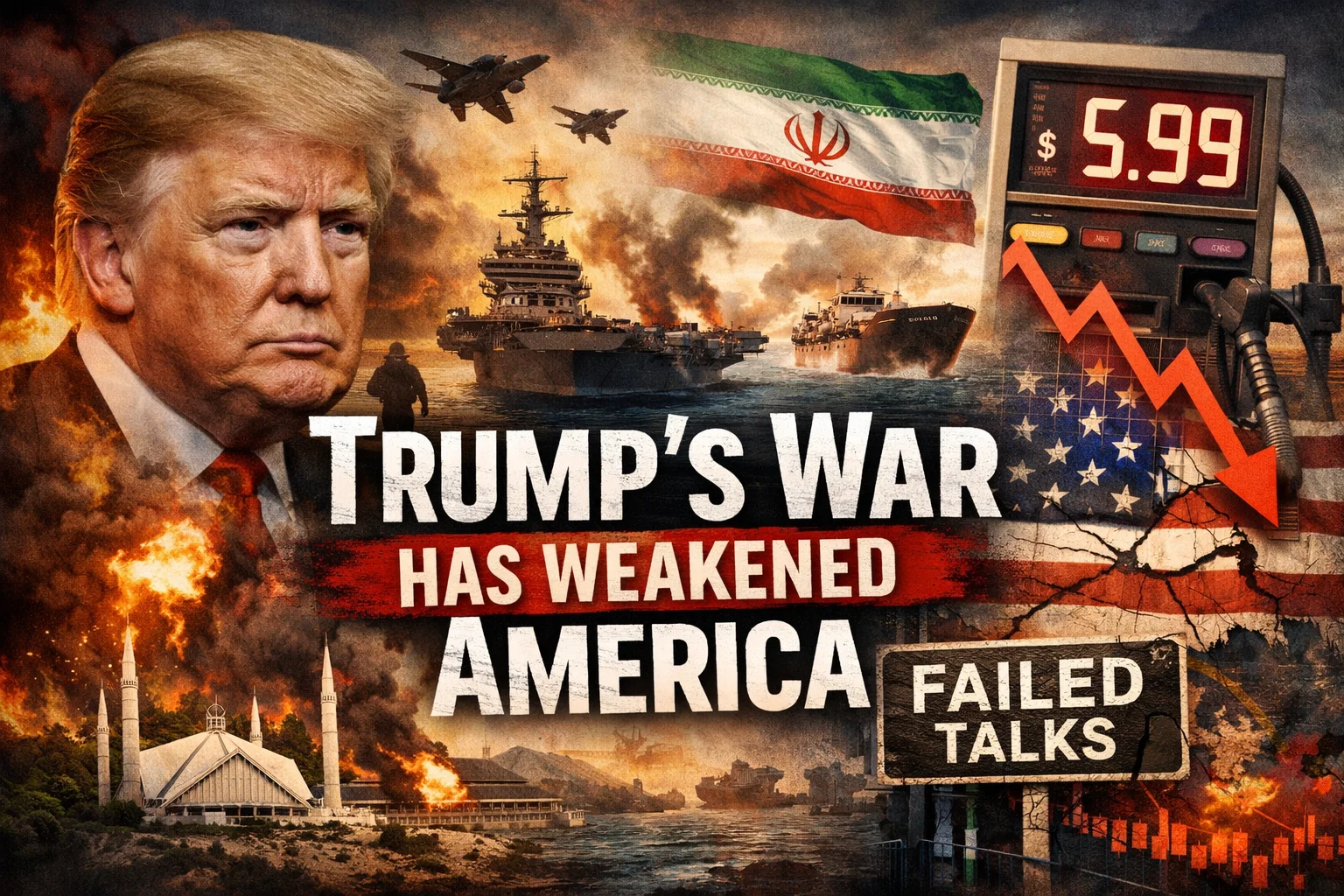
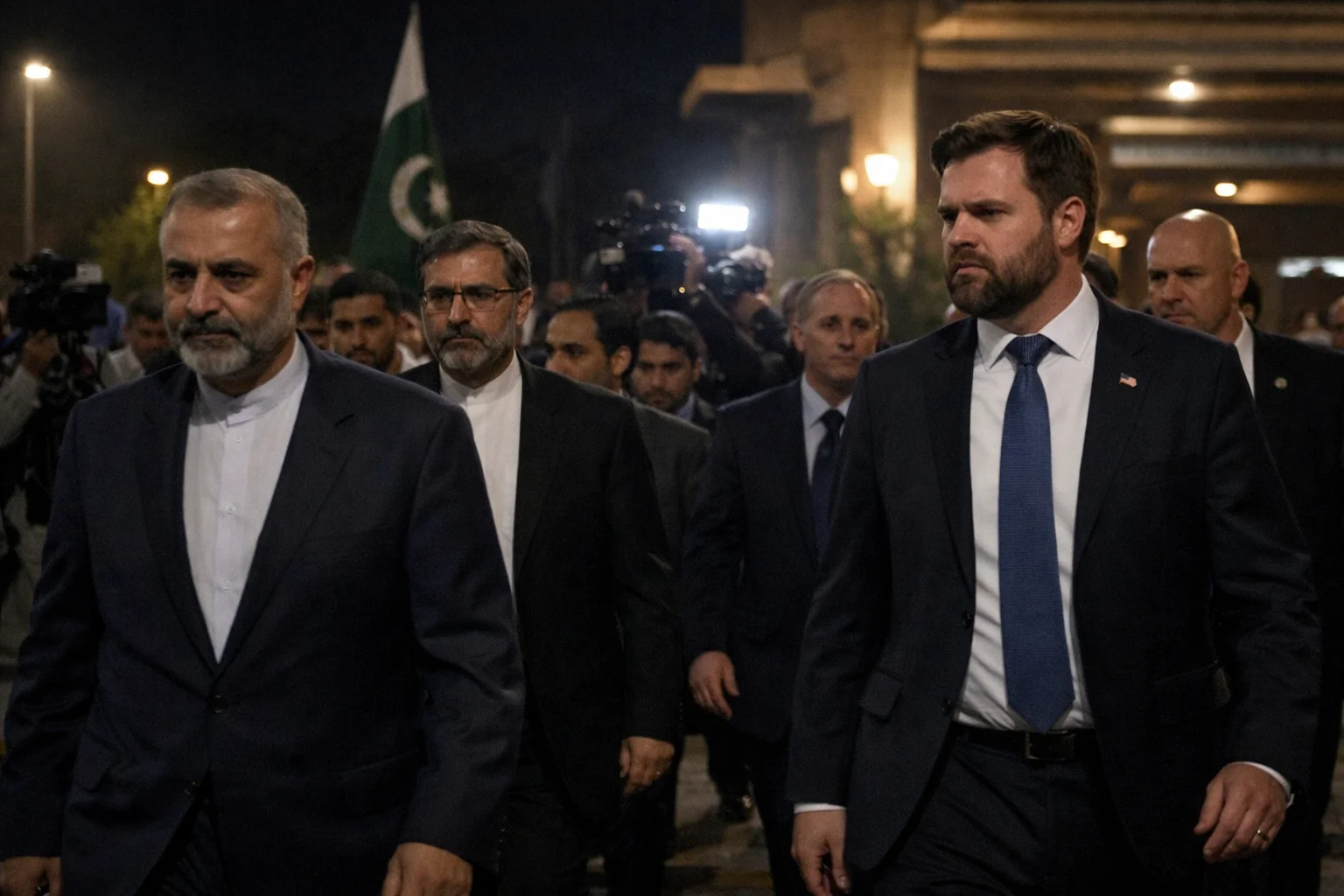
Iran and America concluded their 21-hour marathon negotiations in Islamabad in a deadlock after Iran refused to accept the proposed terms and both parties laid the blame on each other over the stalemate. Based on reports available to the general public, the negotiations were part of a broader effort aimed at de-escalation, but the initial direct bid did not end up bearing any fruit.
In a clear indication of the public perception, Iran used the phrase “BIG NO” in its official communications regarding the talks, blaming Washington for making unacceptable demands. Meanwhile, Vice President JD Vance claimed that Iran was unwilling to give the assurance that Washington sought, especially when it comes to its nuclear activities.
Why the Islamabad talks ended without a deal
From reports on the matter, it seems that the breakdown of the meeting occurred due to disagreements on strategic matters and not because of minor discrepancies. According to Reuters, among others, the United States sought guarantees related to Iran’s nuclear policy, while Iran objected to its own demands and what it believed to be illegal actions.
However, Iran’s approach to negotiations had been revealed prior to this meeting. Earlier this week, Reuters reported that Iran sought guarantees as well as compensation in the event that an agreement would not be reached. Thus, the Islamabad talks gained importance, but also risked collapsing over the inability of either party to give concessions.
This particular failure is especially important insofar as the meeting was not a symbolic act. The fact of such talks became relevant at a time of heightened tension in the region. Unfortunately, the lack of a deal from the meetings increased the uncertainty in the already tense atmosphere.
Why this matters for the region
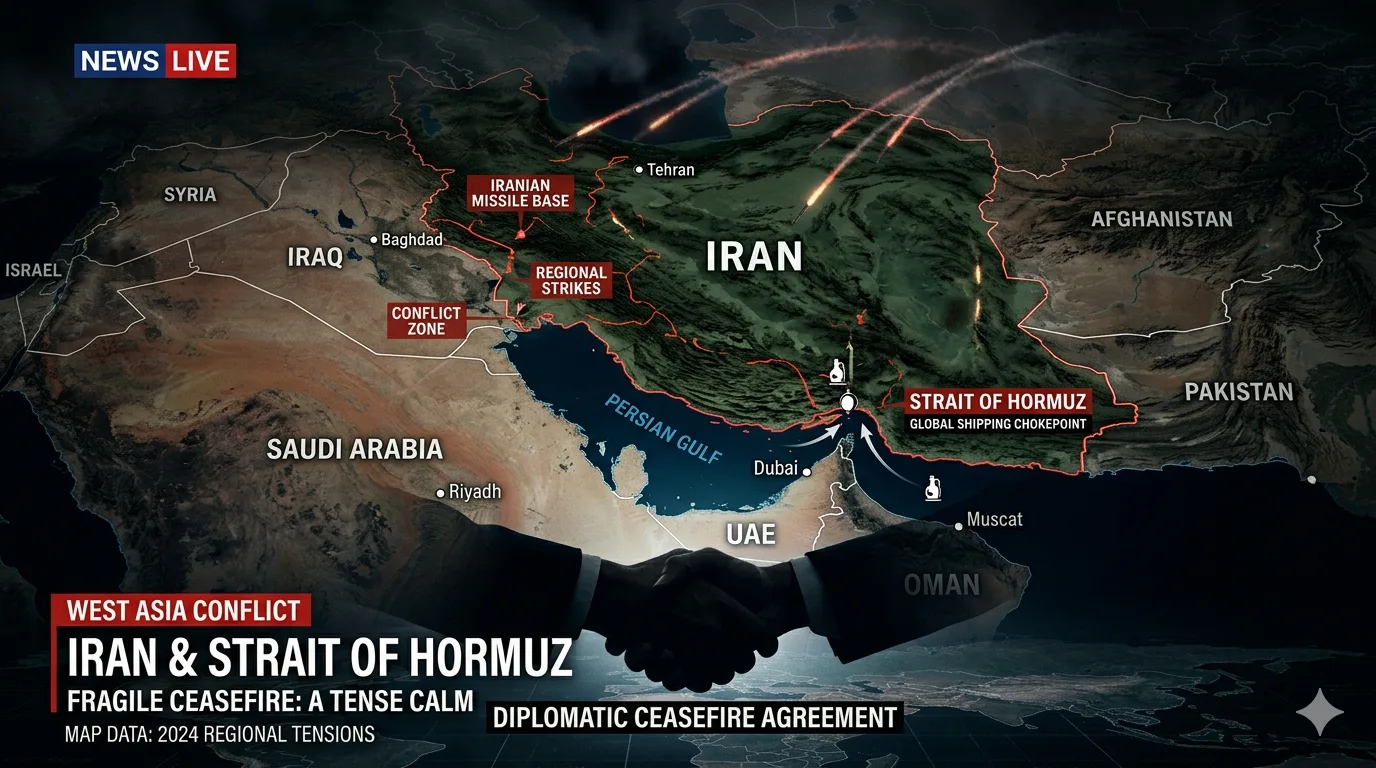
The immediate impact is diplomatic, but the wider concern is strategic. Reports say the discussions also touched on regional security flashpoints, including tensions linked to the Strait of Hormuz and the risk of fresh escalation if diplomacy stalls.
For now, neither side has closed the door entirely on future contact. But the tone after the Islamabad meeting suggests positions remain far apart. That means any next step will likely depend on whether backchannel diplomacy can narrow the gap before public rhetoric hardens further. Based on current reporting, the latest round has ended in stalemate rather than progress.
Disclaimer: This article is based on publicly available reporting and official statements published on April 11–12, 2026. Details may evolve as more verified information emerges.