


Trump’s War Has Weakened America
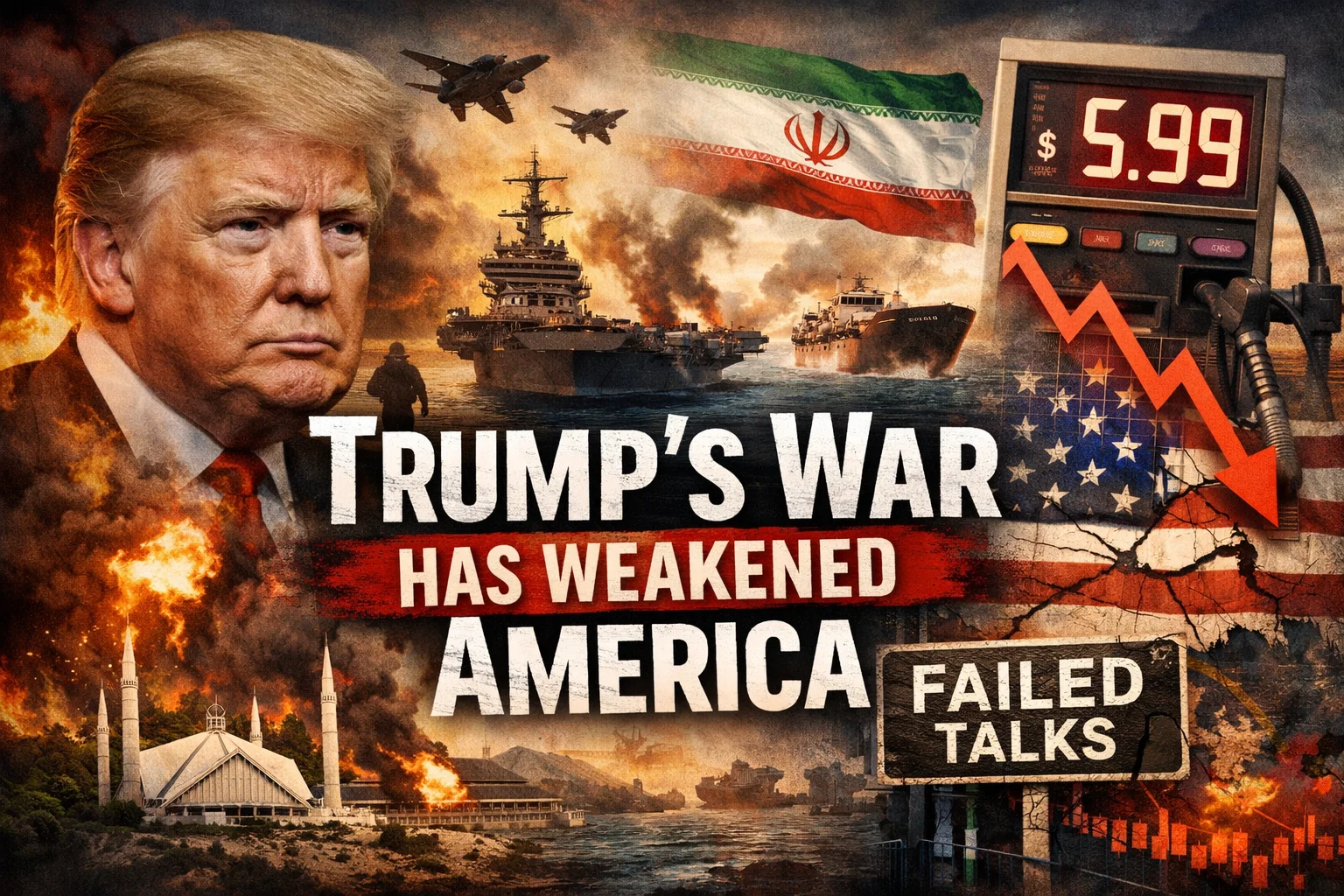
Supporters of Donald Trump painted his showdown with Iran as an example of military might. However, after several weeks of battle, the uneasy ceasefire, oil shipments being disrupted, and negotiations failing in Islamabad, observers point out that the war may have made the country look weaker, more expensive to sustain, and strategically unprepared. Reports recently published indicate that the war effort has shifted the focus of the military from the Asian region, alarmed allies, and increased domestic concerns about rising gas prices.
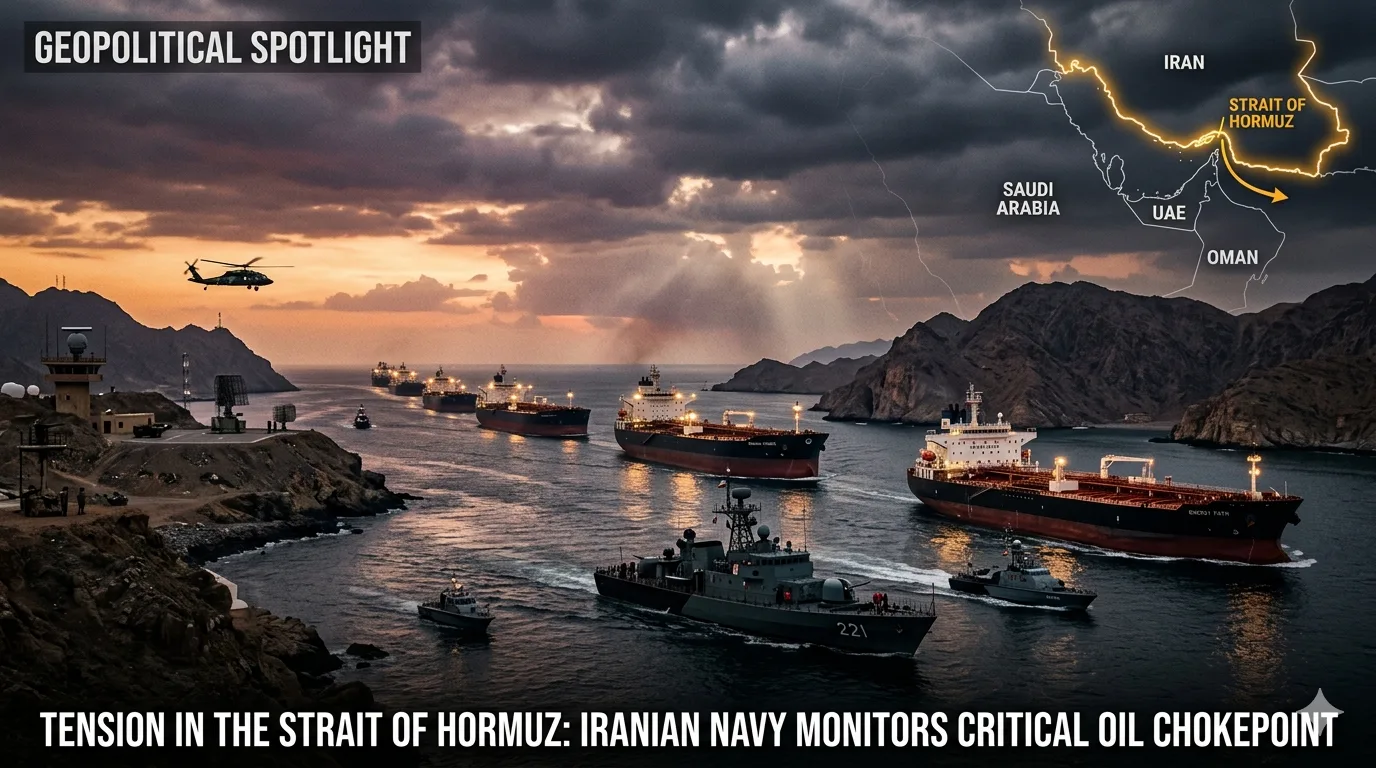
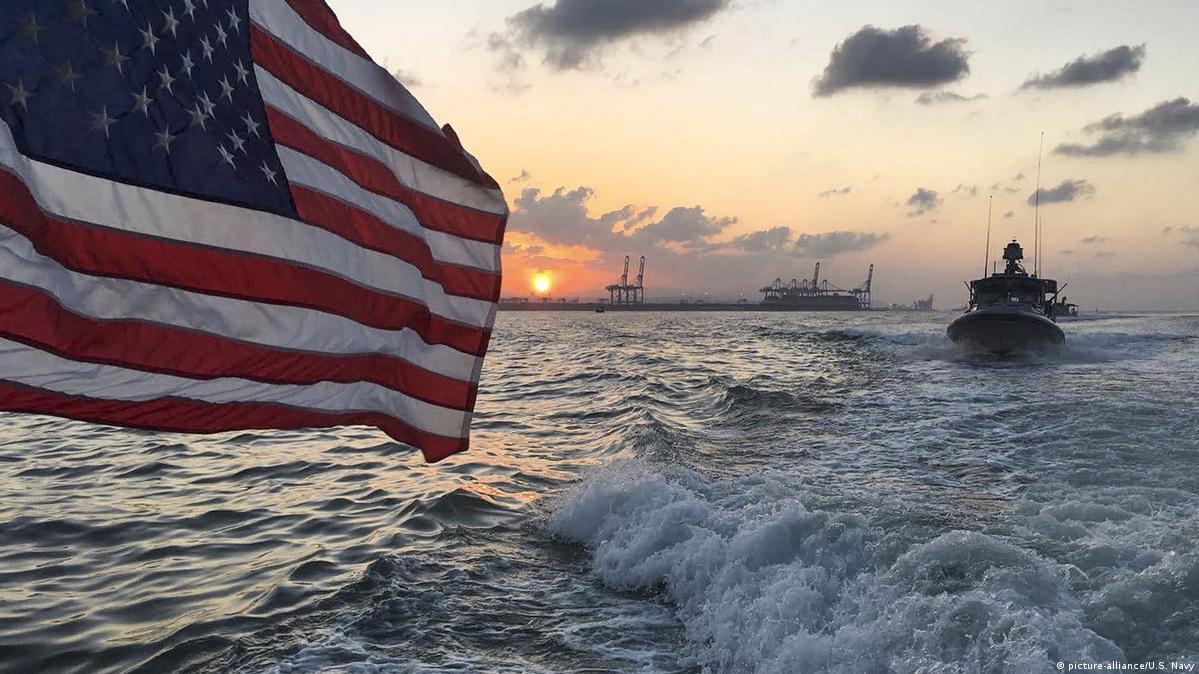
For Washington, the issue is not only related to events on the field. It is also associated with what the war unveiled. While Trump declared victory in terms of damaging Iranian military infrastructure and instructed US troops to reopen the Strait of Hormuz, the overall picture turned out to be much more complicated. The shipping crisis in one of the world’s largest energy routes shook investors, while diplomatic discussions with Tehran remained fruitless.
Military strain is now part of the story
One of the sharpest criticisms is that the war has pulled the United States back into a region it has long tried to step away from. A fresh Associated Press report said the Iran conflict has redirected US military resources and policy attention away from Asia, where Washington has spent years trying to strengthen deterrence against China. That matters because America’s strategic competition with Beijing was supposed to be the defining foreign policy priority. Instead, the Middle East has again consumed time, weapons, and political bandwidth.
That shift does not just affect Pentagon planning. It also sends a signal to allies in the Indo-Pacific that America can still be dragged into costly regional wars that weaken its long-term focus. For critics, that is exactly why the conflict has made the US look weaker, not stronger.
Oil, prices, and public confidence have taken a hit
The economic consequences cannot be overlooked either. According to Reuters, Americans are becoming more concerned about soaring gas prices, as well as the cost of the war itself, with the results of a Reuters/Ipsos survey demonstrating 60% disapproval for the operation. This is a significant statistic for any administration attempting to portray the mission as resolute and popular.
The Strait of Hormuz is a key factor in this discussion. Even small-scale disturbances could cause widespread disruption in the oil market. According to Reuters, the US military has launched mine clearance operations, while tensions in the strait have already started impacting shipping and fuel prices across the globe. The political repercussions are unavoidable once a war creates instability in such a crucial passageway.
Diplomacy has not delivered a clean exit
The aim of the Islamabad conference was to test the potential for the ceasefire to be extended into a comprehensive agreement. However, the result was a fruitless negotiation that revealed how divided the two nations really were with regards to nuclear programs, sanctions, and the regional influence issue. According to the Associated Press, the failure of reaching any sort of accord made the ceasefire appear weak rather than revolutionary.
This is important considering the fact that war should not be assessed only based on the initial attack; the post-war diplomacy holds weight as well. In light of this, it can be inferred that should the US bear increased costs while failing at manipulating the course of events politically, the notion that the nation’s influence is fading will become evident.
Why this argument is gaining ground
The basis for the claim that Trump’s war has hurt the position of America is founded on three easily observed consequences, namely a preoccupied military, economic coercion, and failed diplomacy. However, while the supporters can always argue that the war has weakened Iran and made attempts at opening up a new channel for diplomacy in Hormuz possible, the truth is, the war has simply overextended the superpower once again.
In essence, the United States’ involvement in yet another conflict that leaves questions about its viability unanswered has raised concerns about whether getting involved was actually a drain on US strength.
Disclaimer
This article is based on publicly available reporting and recent international coverage. Developments may change quickly as diplomatic and military events continue to evolve.