






A Strategic U-Turn by the United States
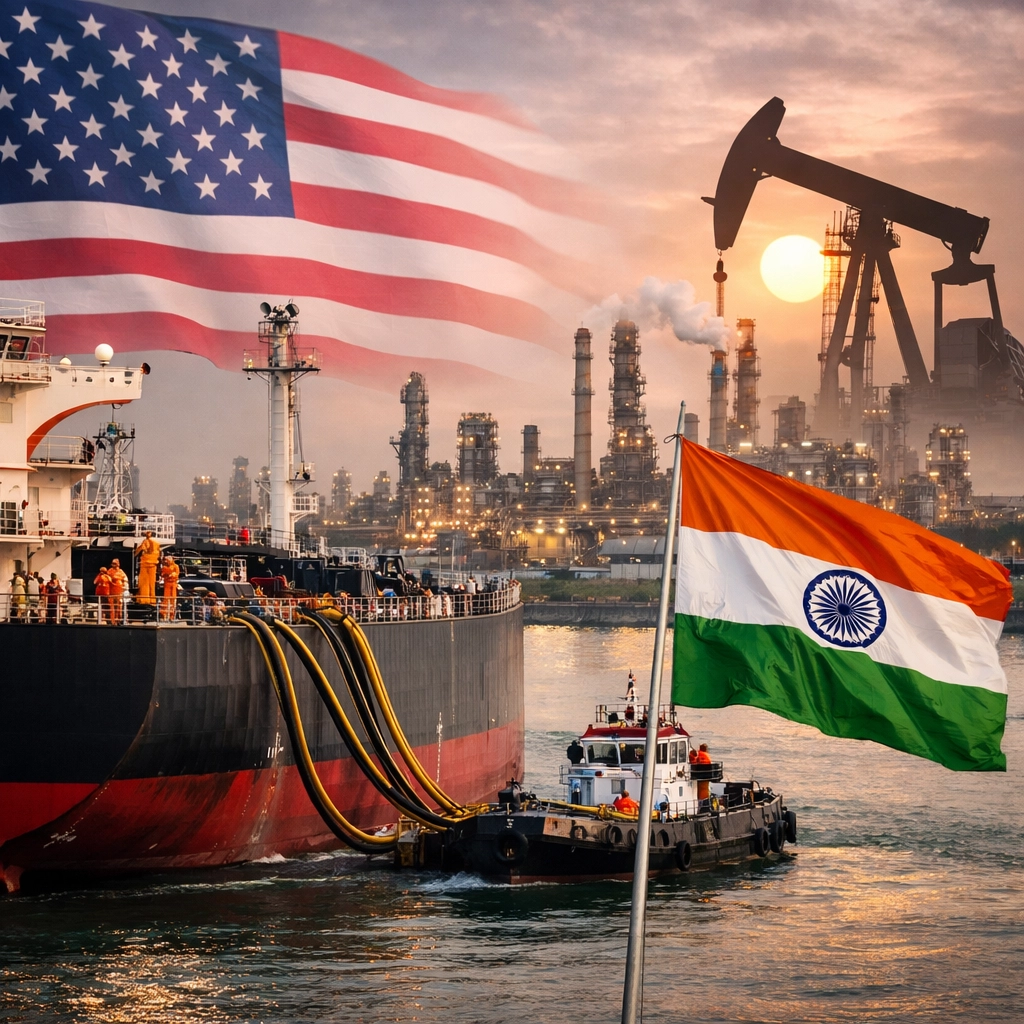
In a notable shift in policy, the United States has decided to extend its sanctions waiver on Russian oil exports until May 16. The move comes amid ongoing geopolitical tensions and concerns over global energy stability.
The waiver allows certain transactions involving Russian crude to continue without triggering immediate penalties under existing sanctions. This extension signals a pragmatic approach by Washington, balancing pressure on Russia while avoiding further disruption in already volatile energy markets.
🇮🇳 Why India Stands to Gain
In the case of India, this extension has come at an opportune moment. With Western sanctions against Russia becoming evident, India has been purchasing large volumes of cheap Russian oil, which aids in controlling domestic fuel prices and curbing inflation rates.
With the exemption:
India can continue to purchase cheap Russian oil
Energy costs are maintained
Inflation pressures are mitigated
This move further solidifies India’s role as a pivotal player in international energy transactions, dealing with geopolitical factors while ensuring their economic well-being.
Global Energy Market Implications
The extension reflects broader concerns about supply constraints and price volatility in global oil markets. A sudden halt in Russian exports could have triggered sharp price spikes, affecting both developed and emerging economies.
By maintaining the waiver temporarily, the US aims to:
- Prevent supply shocks
- Stabilize oil prices
- Allow markets time to adjust
However, uncertainty remains about what happens after May 16, keeping traders and policymakers on edge.
Balancing Sanctions and Stability
This decision demonstrates the tricky balance that the U.S. must walk. Even as sanctions prove an important weapon in forcing Russia to negotiate geopolitical disputes, economics makes adjustments necessary.
Energy security plays an important role in determining global policy decisions. The extension clearly shows how sanctions policies, even if rigorous, can be adjusted when economic stability is threatened.
Disclaimer
This article is based on publicly available information and evolving geopolitical developments. Readers are advised to follow official government and financial sources for the latest updates.