






US Iran War News Live Updates: Tehran Hasn’t Agreed to Second Round of Negotiations
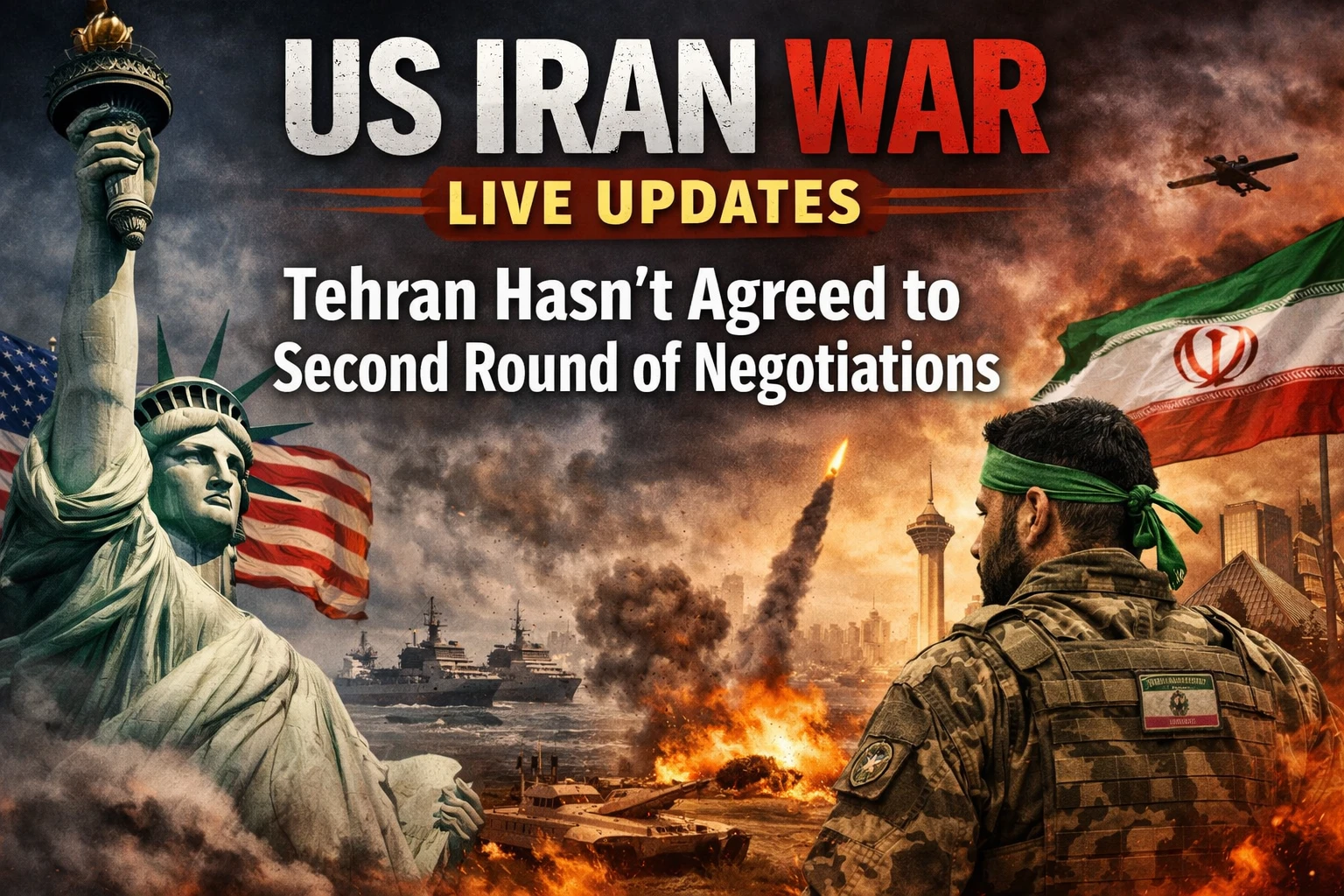
Fresh uncertainty has emerged in the ongoing conflict between the United States and Iran, with reports indicating that Tehran has not yet agreed to a second round of negotiations. The development comes at a time when global attention remains fixed on fragile ceasefire efforts, rising geopolitical tensions, and the future of diplomacy in the Middle East.
Despite signals from Washington suggesting that talks could resume soon, Iranian officials appear cautious, underlining that key differences still remain unresolved—especially on nuclear issues and sanctions relief.
Talks in Limbo as Mistrust Deepens
Recent updates suggest that while backchannel communication continues, Iran has not formally committed to returning to the negotiating table for a second round. Diplomatic efforts—reportedly mediated by countries like Pakistan—are still ongoing, but progress has been slow.
A major sticking point remains the deep mistrust between the two sides. U.S. officials have acknowledged that differences cannot be resolved quickly, while Iranian leadership has repeatedly indicated it is “in no hurry” to finalize any agreement.
This hesitation reflects broader concerns in Tehran, where officials want stronger guarantees before engaging in further talks, particularly after recent military escalations.
Conflicting Signals on Peace Efforts
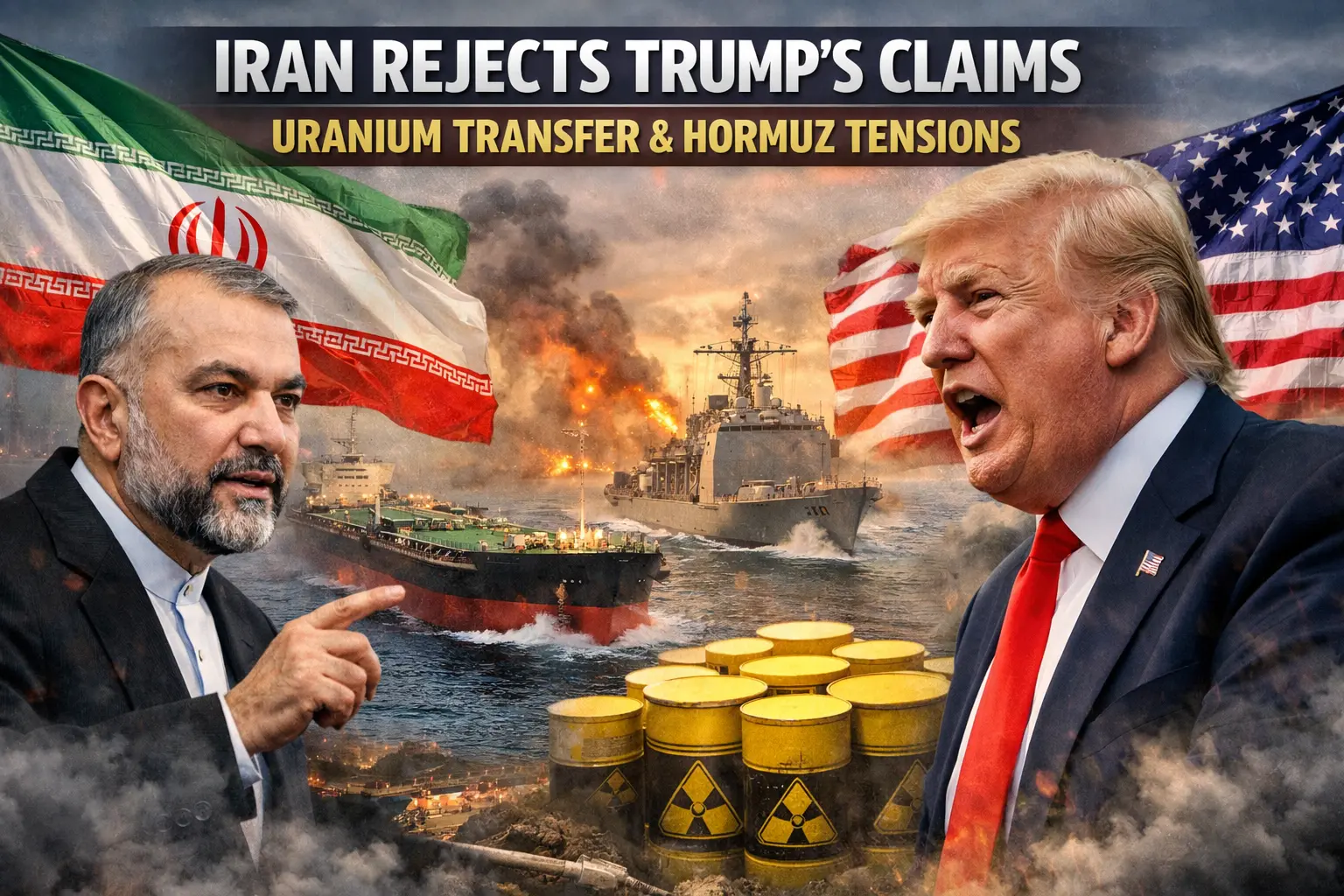
The situation has been further complicated by contradictory public statements from both sides. While U.S. President Donald Trump has suggested that a deal could be close, Iranian authorities have pushed back against such claims, calling them inaccurate or premature.
Reports indicate that no consensus has been reached on core issues like nuclear commitments, sanctions removal, and long-term security arrangements.
At the same time, there have been claims of progress toward a draft agreement aimed at ending the conflict. However, without Tehran’s approval for continued talks, these developments remain uncertain.
Strait of Hormuz Adds to Tensions
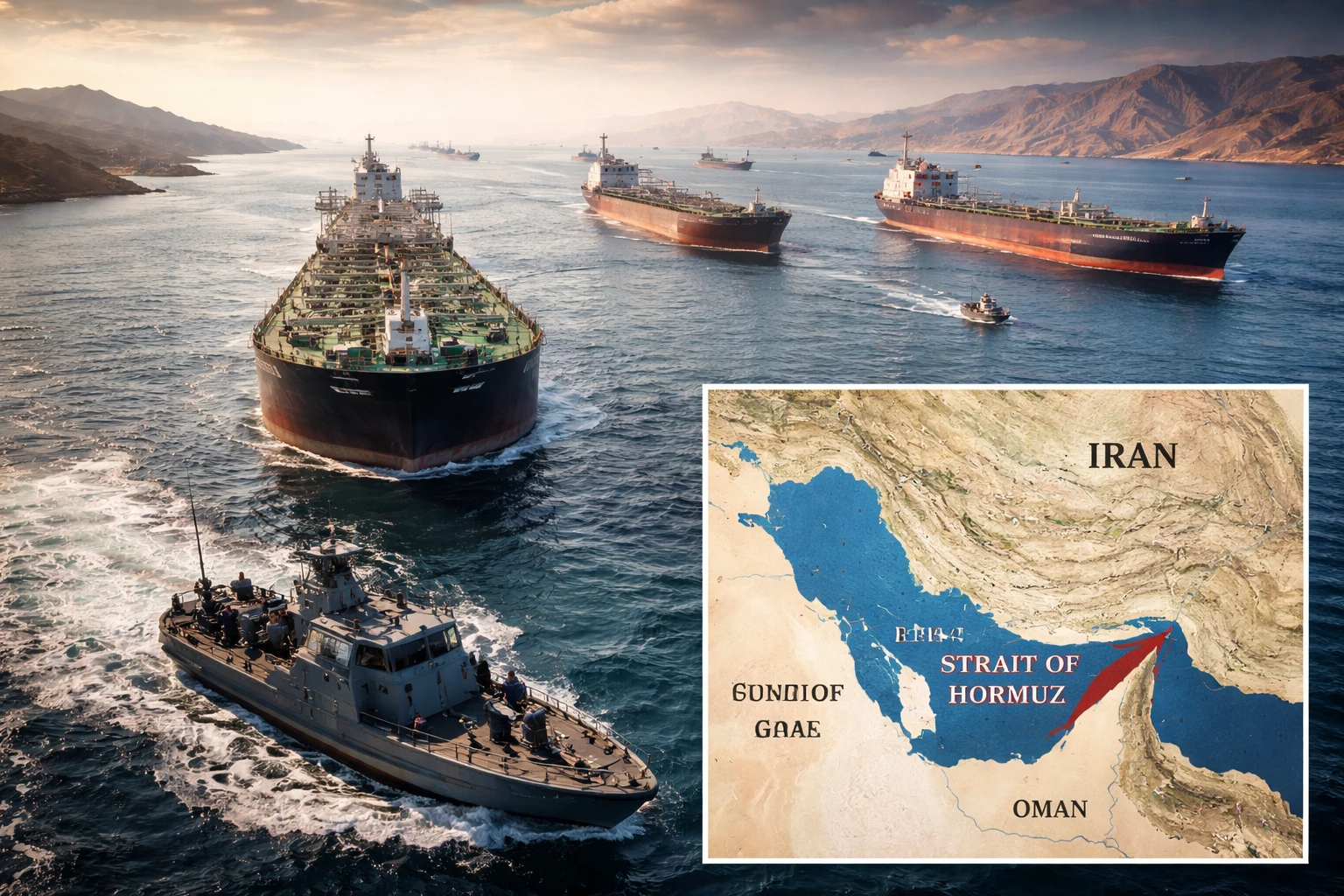
The strategic Strait of Hormuz continues to be a critical flashpoint. While Iran has at times indicated that the waterway remains open, officials have also warned that continued U.S. pressure or blockade actions could lead to its closure again.
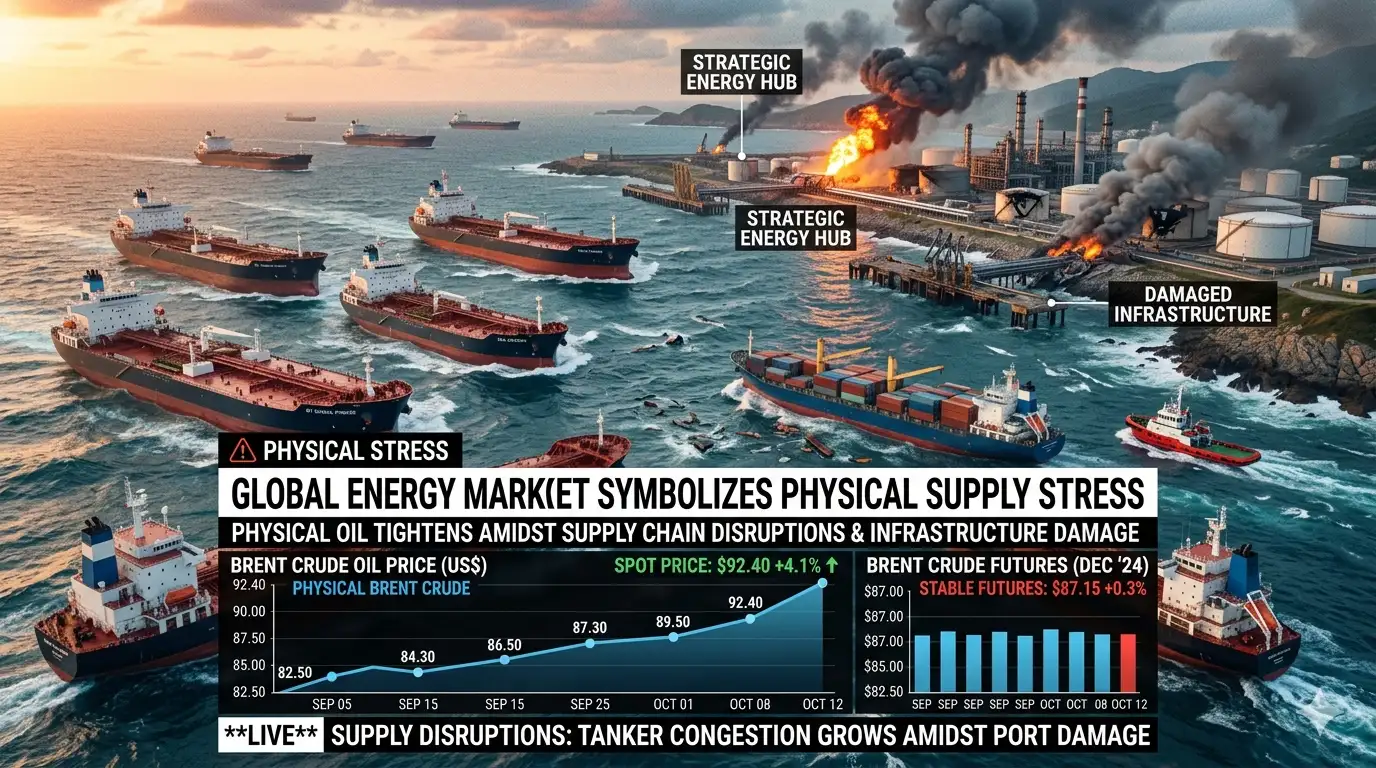
This uncertainty has already impacted global oil markets and raised concerns about supply disruptions.
The issue of maritime security is closely tied to negotiations, with Iran reportedly linking any long-term agreement to guarantees over shipping access and economic relief.
No Quick Resolution in Sight
Iran has made it clear that it is not interested in temporary or short-term arrangements. Instead, it is pushing for a comprehensive and permanent resolution to the conflict.
Officials have emphasized that any agreement must address broader regional tensions, including conflicts involving allied groups and ongoing military activity across the Middle East.
With both sides holding firm on key demands, the prospect of a second round of negotiations remains uncertain for now.
What This Means Going Forward
The lack of agreement on further talks signals a critical pause in diplomacy. While communication channels remain open, the path forward appears complicated by strategic disagreements, political messaging, and evolving battlefield dynamics.
For now, the world watches closely as mediators attempt to bridge the gap. Whether a second round of negotiations materializes could determine not only the future of the US-Iran conflict but also broader stability in the region.
Disclaimer
This article is based on publicly available information, live news reports, and agency inputs. Developments in the US-Iran conflict are rapidly evolving, and readers are advised to follow official sources for real-time updates.