








Why the “Perfect Egg” Isn’t One-Size-Fits-All
Ask ten people how they like their eggs, and you’ll likely get ten different answers. Some swear by soft, runny yolks, while others prefer firm, fully cooked centers. The idea of a “perfect egg” isn’t about a universal rule—it’s about matching technique with personal taste.
Eggs are one of the most versatile foods in the world. From breakfast staples to gourmet dishes, they adapt to countless cooking styles. But achieving consistency—whether it’s a silky scramble or a precisely boiled egg—depends on understanding a few key principles.
🔥 The Science Behind Cooking Eggs
Cooking eggs is all about controlling heat. Eggs are rich in proteins that change structure when exposed to temperature. Too much heat, and they turn rubbery. Too little, and they remain undercooked.
The sweet spot lies in gentle cooking. Low to medium heat allows proteins to set gradually, creating a soft, creamy texture rather than a tough one. Timing also plays a crucial role, especially for boiled eggs where even a minute can make a difference.
Popular Egg Cooking Methods (And What Makes Them “Perfect”)
Scrambled Eggs
Soft scrambled eggs are often considered the gold standard. The key is low heat and constant stirring. Adding a bit of butter or cream enhances richness and prevents dryness.
Fried Eggs
Whether sunny-side up or over-easy, fried eggs are all about timing. A perfectly cooked fried egg has a set white and a yolk that’s either runny or slightly thickened, depending on preference.
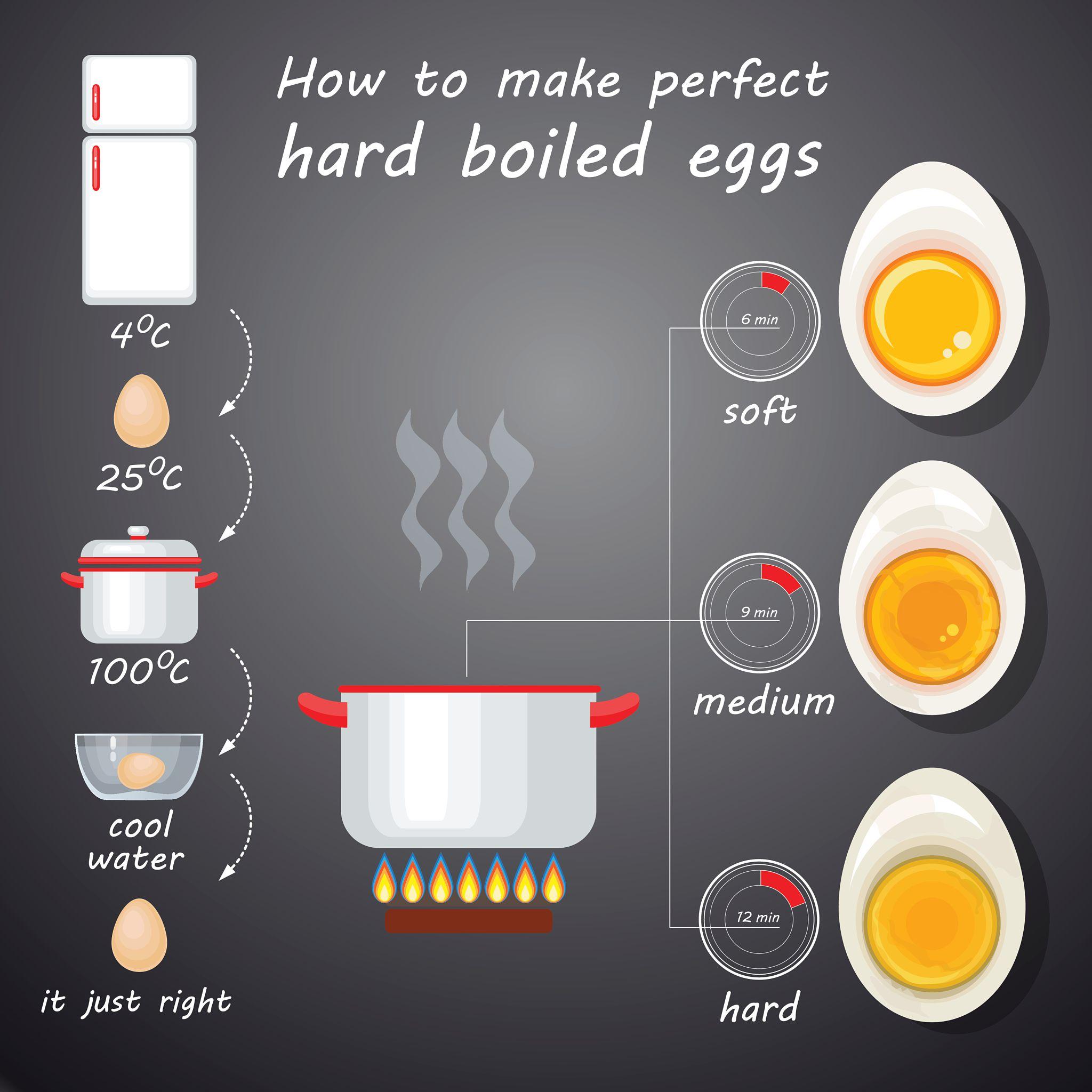
Boiled Eggs
Boiling eggs may seem simple, but precision matters:
- Soft-boiled: 5–6 minutes
- Medium (jammy): 7–8 minutes
- Hard-boiled: 9–12 minutes
An ice bath immediately after cooking helps stop the process and makes peeling easier.
Poached Eggs
Poaching is often seen as the most refined method. The trick is gently simmering water and a splash of vinegar. A well-poached egg has a delicate white encasing a flowing yolk. So, Is There a “Perfect” Way?
Not really—and that’s the beauty of it.
The “perfect way to cook eggs” depends on:
- Your taste (runny vs firm)
- The dish you’re making
- The texture you enjoy
What is universal, though, is technique. Mastering heat control, timing, and freshness will consistently give you better results—no matter the method.
👨🍳 Expert Tips for Better Eggs Every Time
- Use fresh eggs for better structure and flavor
- Cook on low to medium heat to avoid overcooking
- Don’t skip seasoning—salt enhances flavor significantly
- For boiled eggs, always cool them quickly to prevent overcooking
- Experiment—your “perfect egg” might evolve over time
Disclaimer
This article is based on general culinary knowledge, cooking practices, and publicly available food science insights. Individual preferences and dietary needs may vary.