








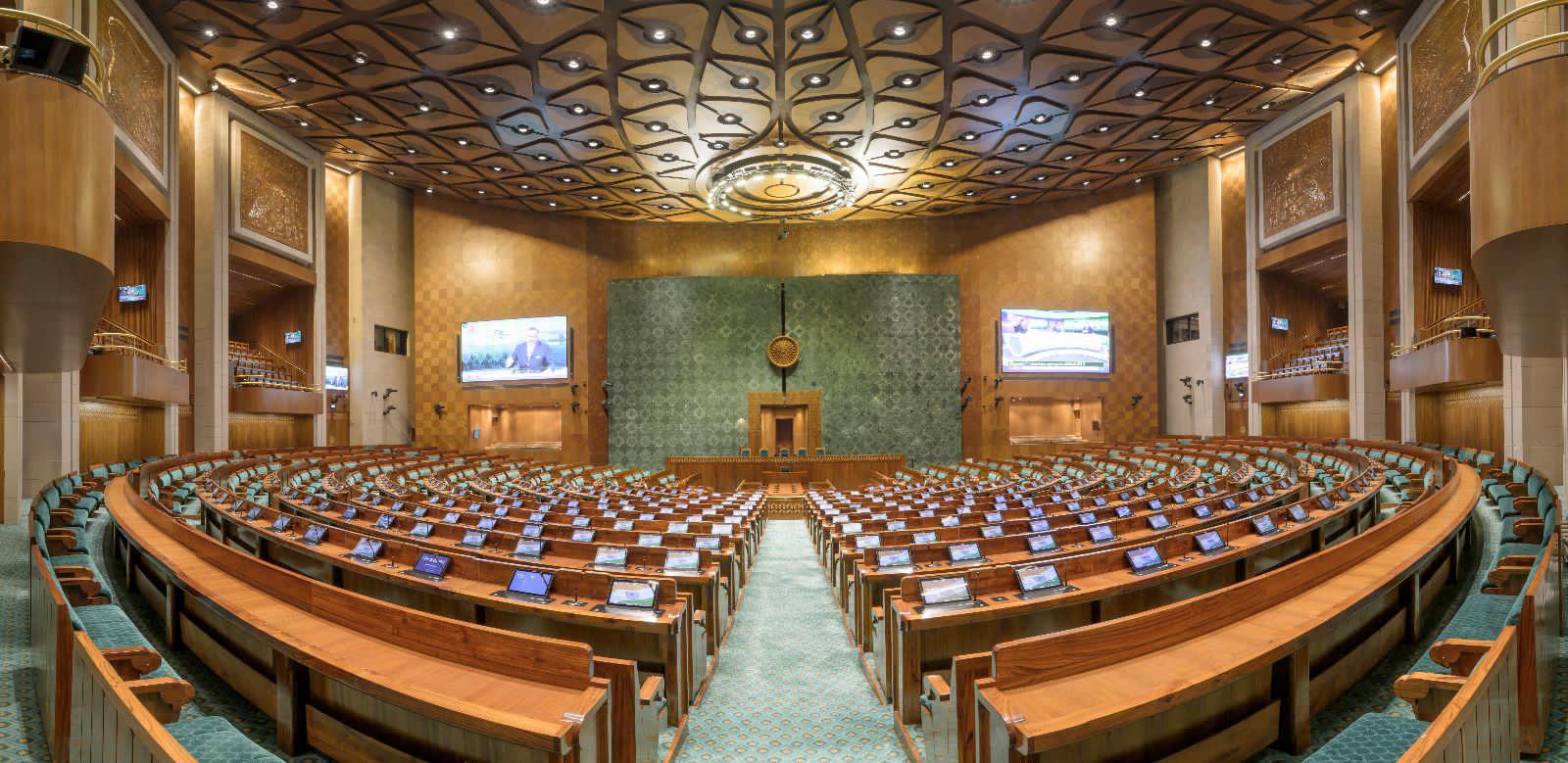
Delimitation Row Continues After Women’s Quota Bill Setback in Lok Sabha
The debate around delimitation in India is showing no signs of fading, even after the amended Women’s Reservation Bill failed to clear a crucial hurdle in the Lok Sabha. While some believed the bill’s defeat might temporarily ease political tensions, it has instead reignited deeper concerns about representation, federal balance, and the future of electoral boundaries in the country.
The issue has once again brought into focus the complex relationship between population-based seat allocation and regional political power.
Why the Delimitation Debate Still Matters
Delimitation refers to the redrawing of parliamentary and assembly constituencies based on population changes. In India, this process has been frozen since 1976 to encourage population control measures, with the next major exercise expected after 2026.
However, the proposed implementation of the Women’s Reservation Bill had a direct link to delimitation. The bill aimed to reserve one-third of seats for women but tied its implementation to a future delimitation exercise.
With the bill now facing setbacks, the underlying concerns about how and when delimitation will be carried out have resurfaced.
Key Concerns Driving the Debate
- Southern states fear losing political representation due to lower population growth compared to northern states
- Questions over fairness in seat redistribution based purely on population
- Concerns about federal balance and political influence shifting geographically
Political Implications Across States
The delimitation issue has long been a sensitive topic, especially for southern states like Tamil Nadu, Kerala, and Karnataka. These states argue that they have successfully implemented population control measures and should not be penalized with fewer parliamentary seats.
On the other hand, northern states such as Uttar Pradesh and Bihar could gain more seats due to higher population growth, potentially altering the political landscape significantly.
This imbalance has made delimitation not just a technical process, but a deeply political and emotional issue.
Women’s Quota Bill Link: Why It Complicates Matters
The amended Women’s Reservation Bill proposed that reservation for women would only come into effect after the next delimitation exercise. This linkage has been widely debated.
Critics argue that:
- It delays the implementation of women’s representation
- It adds another layer of uncertainty to an already complex issue
- It politicizes both gender representation and electoral restructuring
Supporters, however, maintain that delimitation is necessary to ensure fair distribution before implementing reservations.
What Happens Next?
Even though the bill has hit a roadblock, the delimitation debate is expected to intensify as 2026 approaches. Political parties are likely to sharpen their positions, especially with general elections and regional interests at stake.
The Centre may eventually need to strike a balance between population-based representation and regional equity to avoid deepening divisions.
Conclusion
The defeat of the amended Women’s Reservation Bill in the Lok Sabha has not ended the delimitation debate—in fact, it has done the opposite. The issue remains central to India’s democratic structure, touching upon representation, fairness, and federal balance.
As the country moves closer to the next delimitation exercise, this debate is set to become even more intense, shaping the future of Indian politics in significant ways.
Disclaimer
This article is based on publicly available information and ongoing political developments. It is intended for informational purposes only and does not represent any political stance.