




Introduction
As the tensions between the nations continue to rise in the Persian Gulf region, one of the common queries is whether or not the United States can lawfully prevent or confiscate ships connected to Iran in any part of the world. Yes, it does have the capability to do so but depending on particular circumstances.
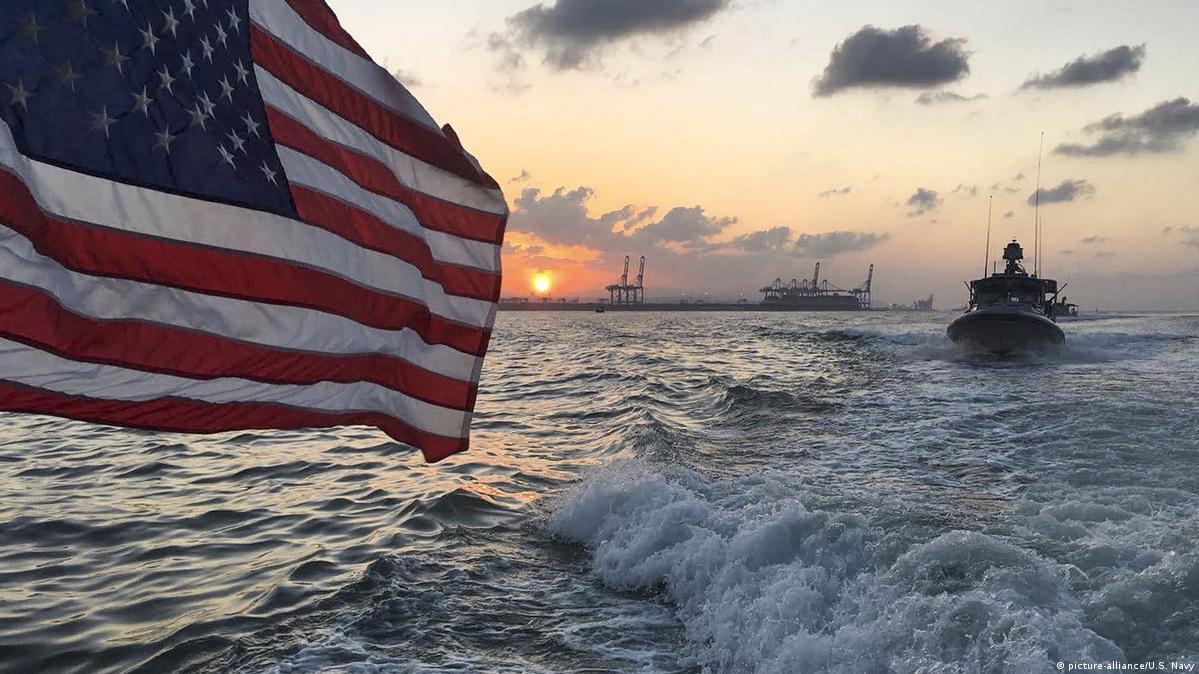
Even as the United States boasts an unmatched capacity when it comes to naval power, its jurisdiction in the high seas is not absolute.
Understanding the Legal Framework
This question is centered around one document, namely the United Nations Convention on the Law of the Sea (UNCLOS).
According to this document, all states have the right to freedom of navigation in international waters. It means that the ships sailing through international waters are immune from any intervention, except for specific cases when this does not apply.
It is possible for the United States to interfere with Iran-related ships in the following situations:
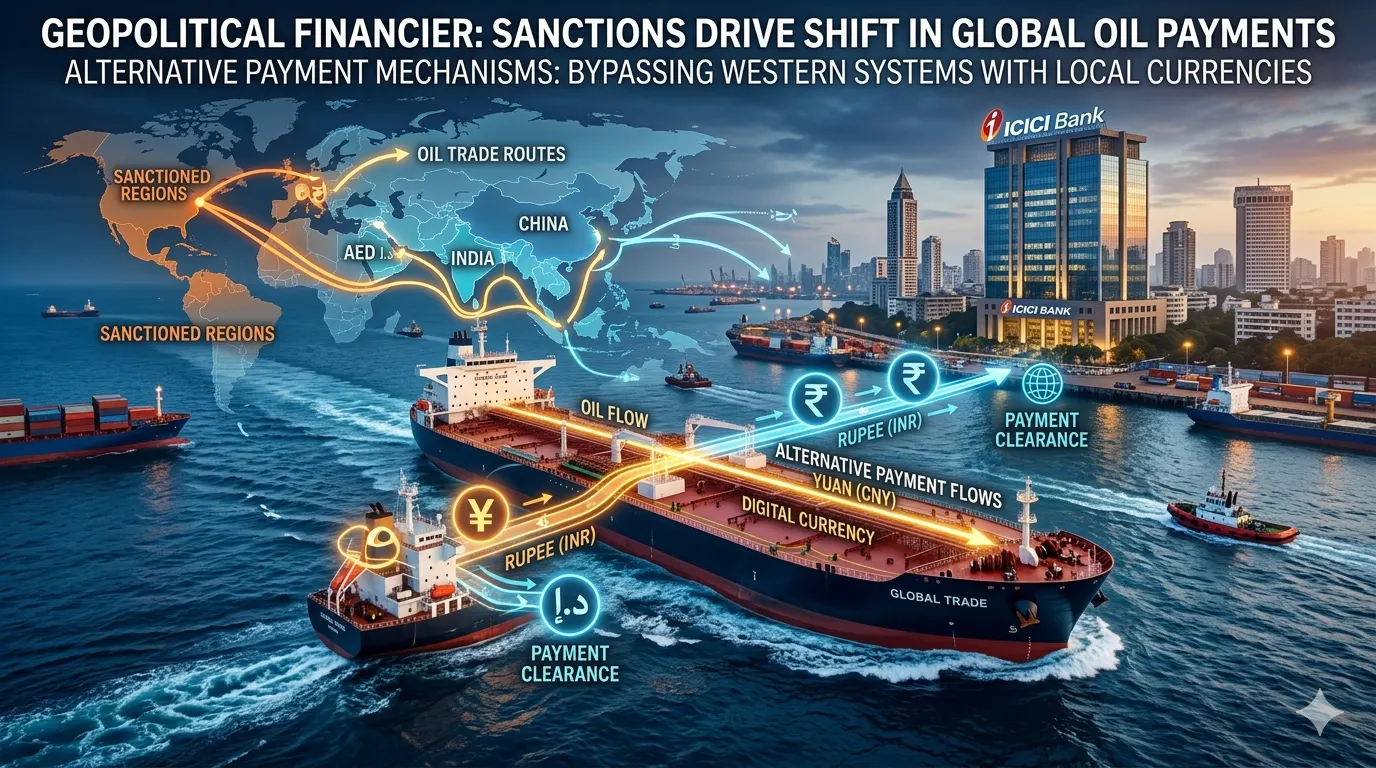
Enforcing economic or political sanctions, especially unilateral or multilateral sanctions
Conducting counter-proliferation activities concerning weapons and restricted goods
Piracy and security concerns
In all other cases, interference with another state’s ship might be considered an international crime.
When the U.S. Can Intervene
Often, the justification for U.S. maritime action relies on a mixture of internal laws and international cooperation. For example:
Enforcing sanctions: The U.S. can enforce sanctions on vessels involved in Iranian oil shipments.
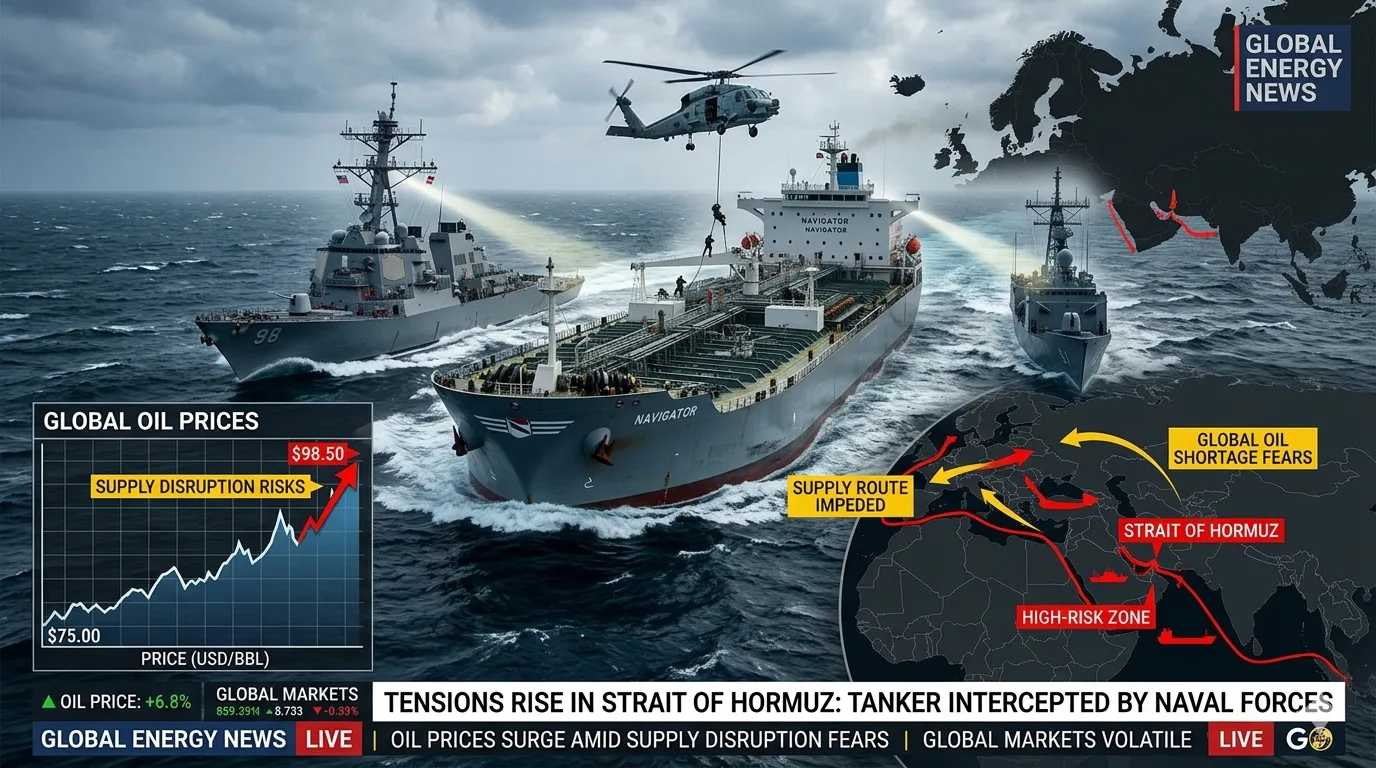
Combined operations: Allied patrols of sensitive areas such as the Strait of Hormuz lend additional legitimacy.
Consent from flag state: Boarding is legal if the nation that registers the ship gives permission.
However, such operations will still normally require extensive diplomacy to prevent any escalation.
The “But” — Limits and Risks
Despite its strengths, the U.S. cannot just decide to implement a worldwide blockade.
A complete blockade by sea, which prevents all shipping to and from a nation, is regarded as an act of war according to international law. It would likely be viewed as aggression without the declaration of war or authorization from organizations like the UN Security Council.
Furthermore, any aggressive action may lead to:
Iran retaliating against the attack
International oil shipments being disrupted
An escalation into a wider military confrontation
This is why American interventions generally take a selective approach.
Why It Matters Now
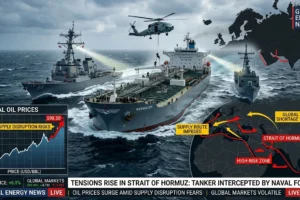
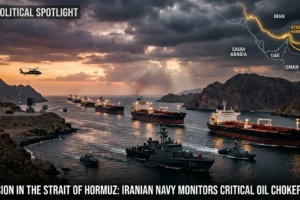
The issue has gained urgency as tensions between the U.S. and Iran continue to impact critical shipping routes. The Strait of Hormuz alone handles a significant share of the world’s oil trade, making any disruption a global concern.
Even limited actions—like seizing a single tanker—can ripple through energy markets and diplomatic relations.
Disclaimer
This article is based on publicly available information, international law frameworks, and current geopolitical analysis. It is intended for informational purposes only and does not constitute legal or strategic advice.