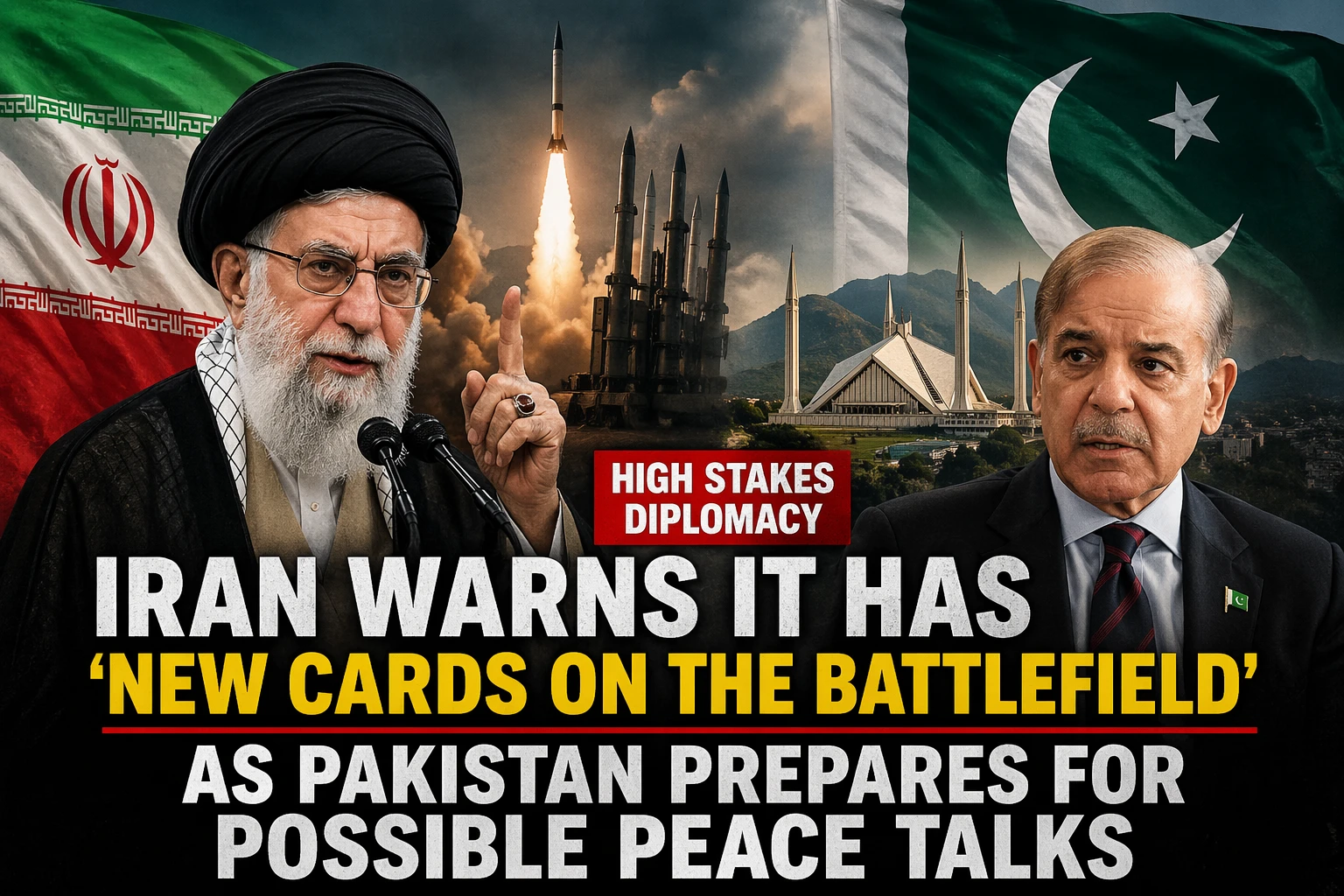

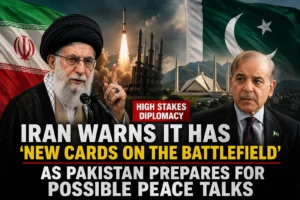
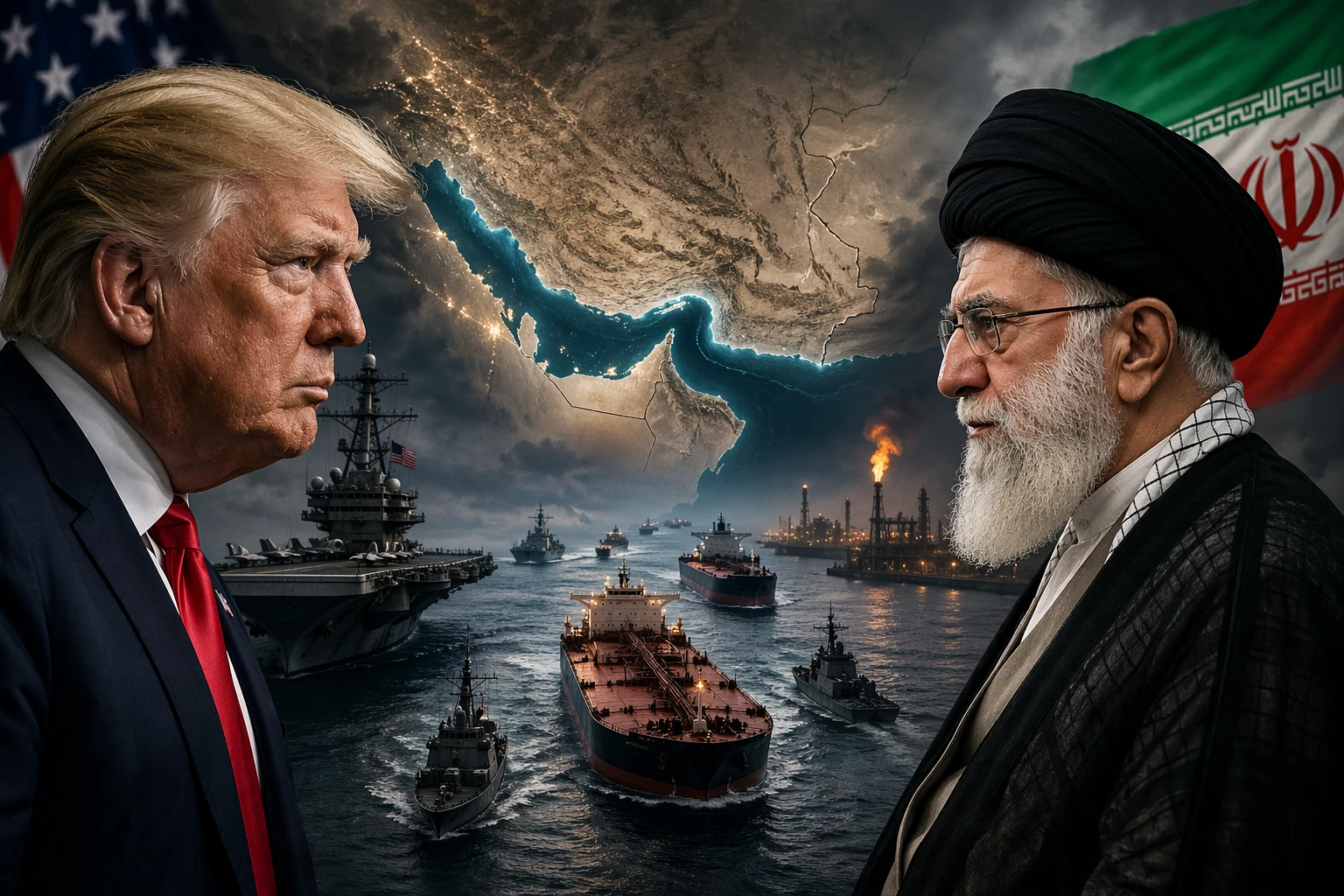
However, relations between Iran and the US became more strained on Wednesday after Iran called the recent statements made by US President Donald Trump a “trick” and said that “the side that lost the game cannot impose conditions.”
This followed after Trump said that Iran was suffering from financial constraints, losing $500 million per day because of the continuing embargo against it and that it is dying to open up the Strait of Hormuz.
On his part, an adviser to the Iranian Parliament has labeled the extension of the cease-fire by Trump as meaningless and said that Iran will treat any further economic sanctions as aggression.
War of Narratives Intensifies
The exchange clearly shows how the narrative wars continue even as tensions rise both in the physical world and at sea in the Gulf.
On his part, Trump has been stressing how the US blockade is suffocating the Iranian economy, saying that the country is witnessing internal turmoil with the security forces being left unpaid.
Further, he has said that while Iran publicly vows to maintain the closure of the Strait of Hormuz, the truth is that the country secretly wishes to open it up immediately.
Iran, however, has a different story to tell. According to the Iranian officials, the blockade is itself an act of economic warfare, and it would be wrong for Washington to set terms based on this scenario.
In particular, the saying “the losing side cannot dictate terms” has gained importance for Iran, showing how the country refuses to negotiate from a position of strength.
Strait of Hormuz: The Real Flashpoint
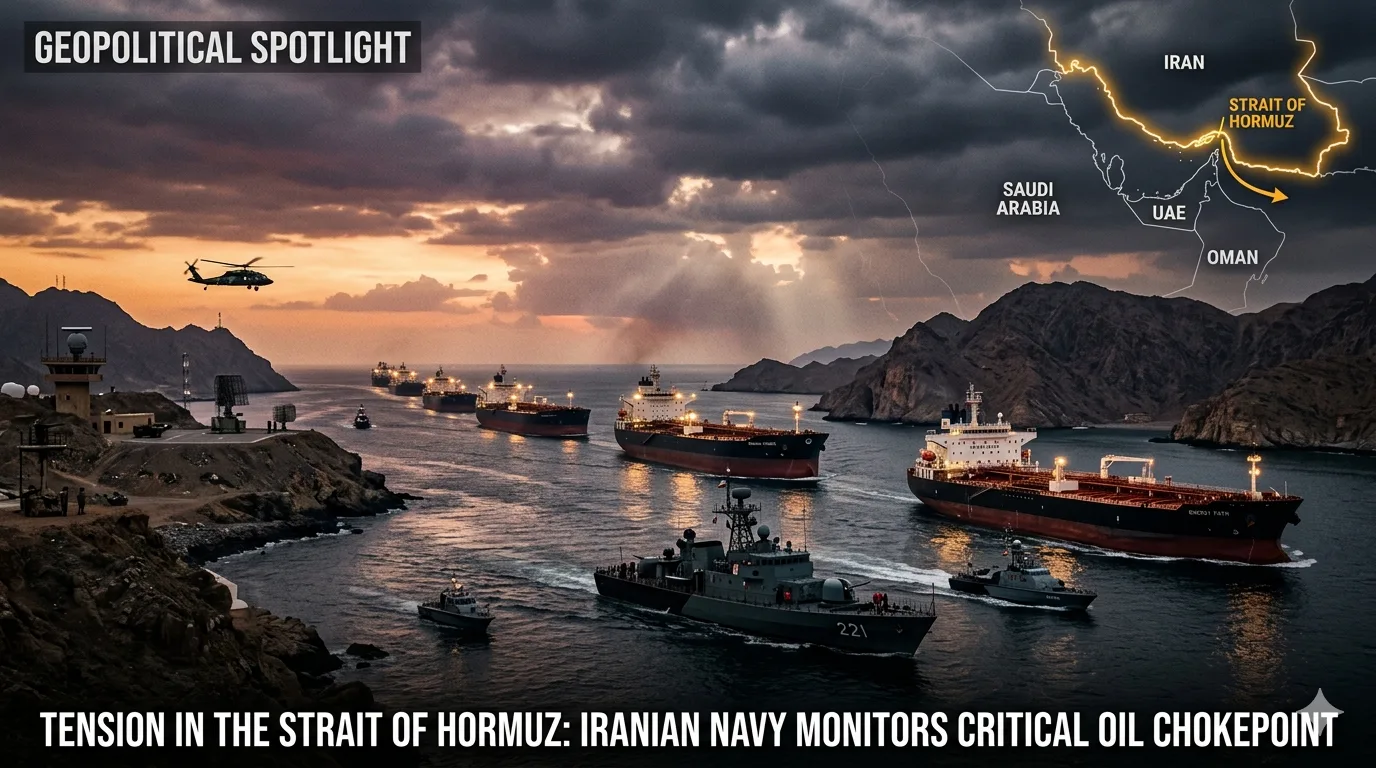
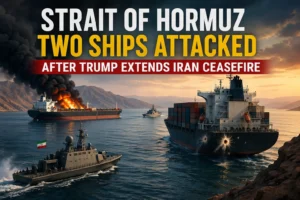
The essence of the controversy is the Strait of Hormuz, which happens to be one of the most crucial oil transport channels in the world. It is only natural that any problems in this region would have serious consequences both economically and politically around the world.
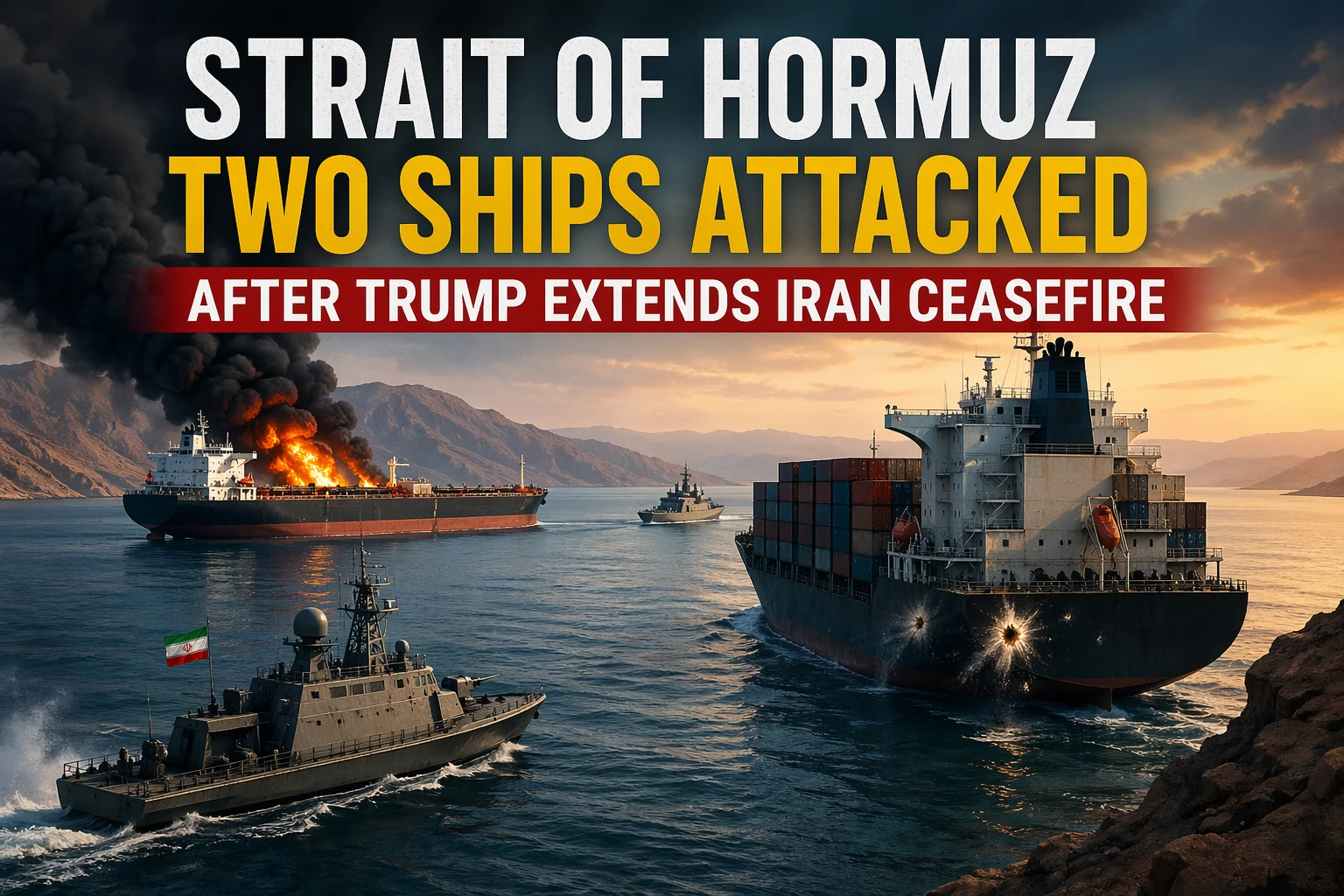
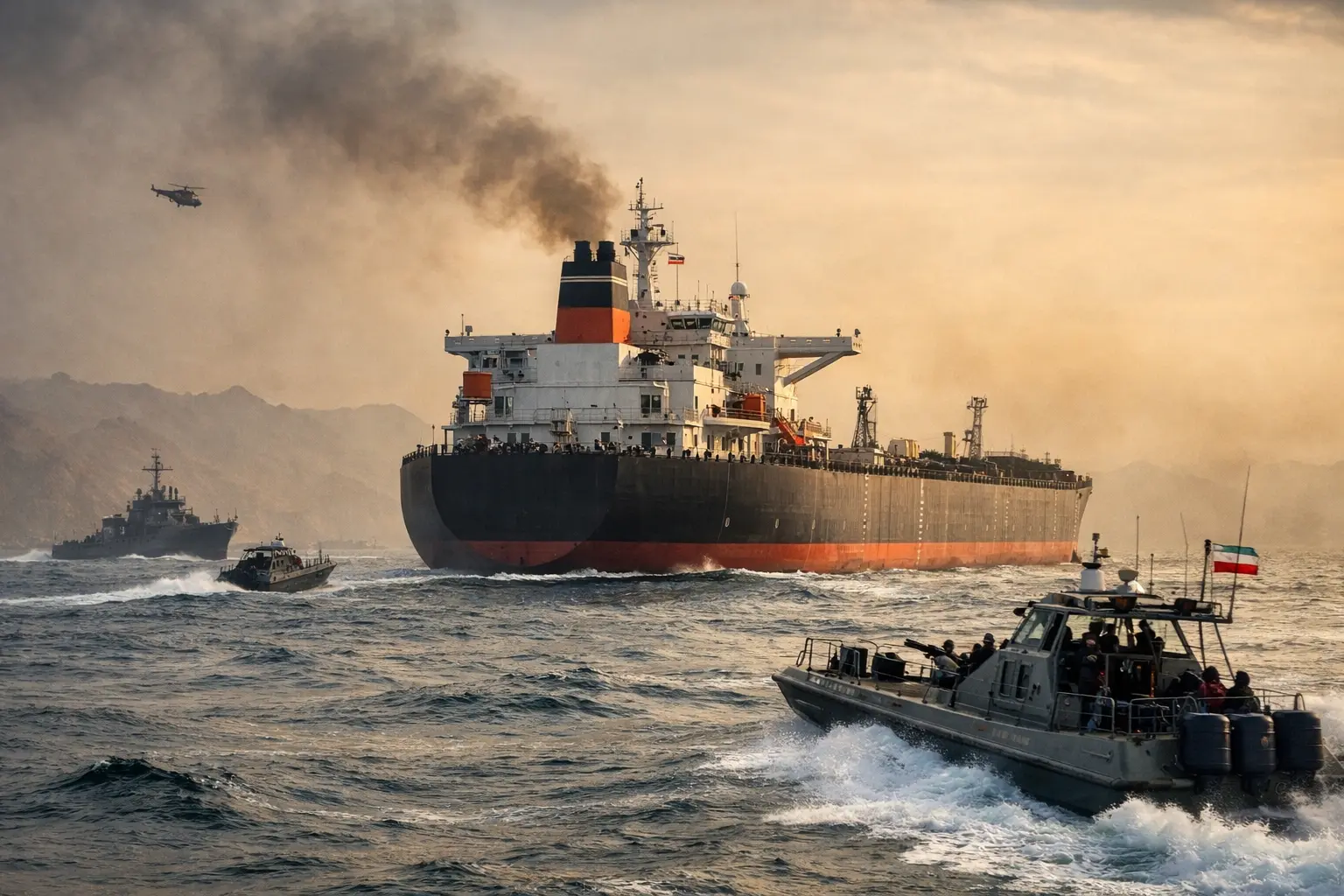
The recent events involving attacks on ships and their seizure make many believe that there is the looming possibility of an escalation of the conflict, despite the current ceasefire.
Trump has been quite straightforward in expressing his concern that removing the embargo may weaken America’s negotiating position, while Iran says that it may respond militarily.
Ceasefire Without Trust
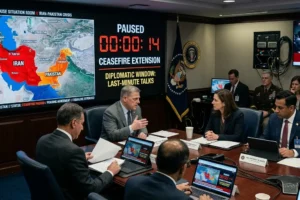
Despite an announced extension of the ceasefire, trust between the two sides appears almost nonexistent.
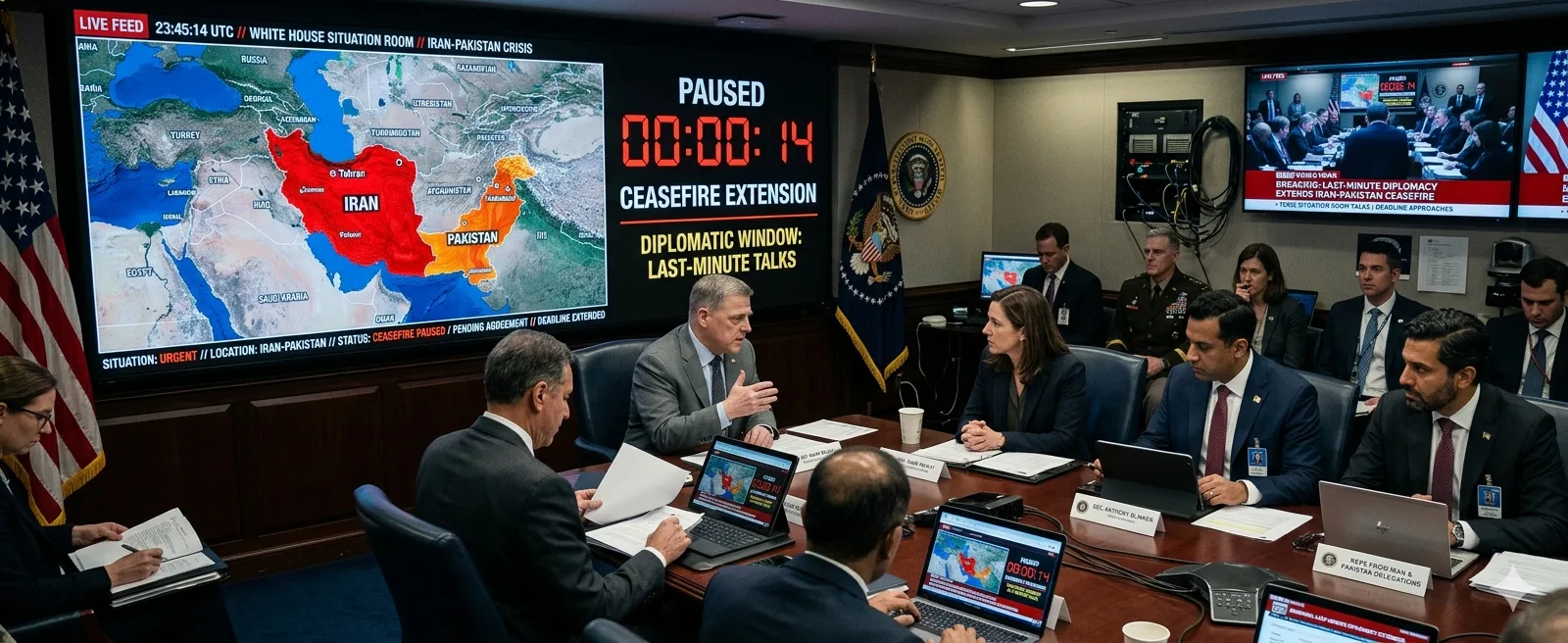
Washington portrays the extension as an opportunity for diplomacy, while Tehran views it as a tactical move designed to extract concessions.
With peace talks uncertain and rhetoric escalating on both sides, the situation remains volatile — where economic pressure, military signaling, and political messaging are all colliding in a high-stakes geopolitical standoff.
Disclaimer
This article is based on publicly available reports and official statements. Developments in geopolitical conflicts are evolving and subject to change as new information emerges.