




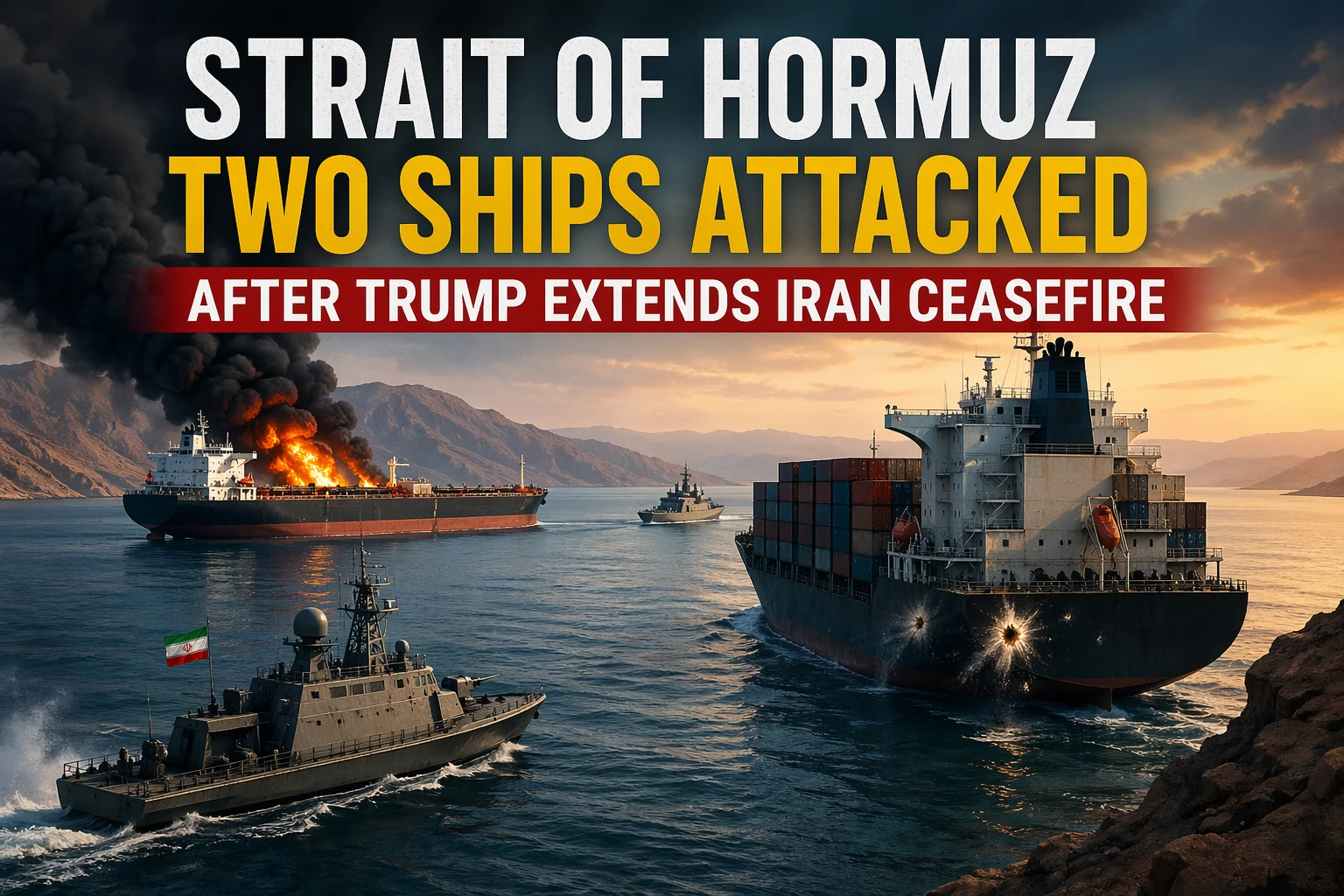
Ceasefire Extension Fails to Calm Waters
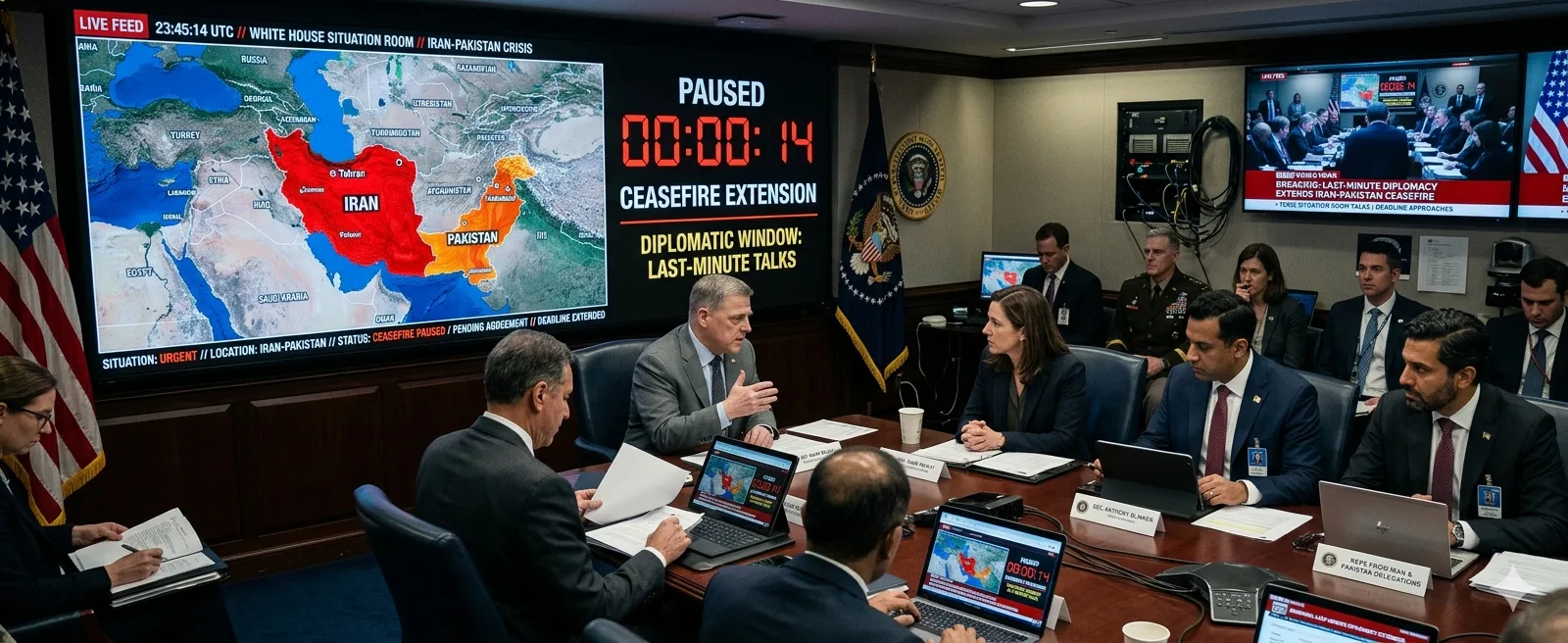
It is important to mention that despite the fact that the United States President, Donald Trump, decided to announce an indefinite ceasefire between Iran and the United States, the tensions in the Strait of Hormuz only rose to new levels.
Such an unexpected decision was supposedly made in order to give diplomacy some time. Nonetheless, this had not helped to make the area more stable, as clashes kept on happening.
Multiple Ships Come Under Fire
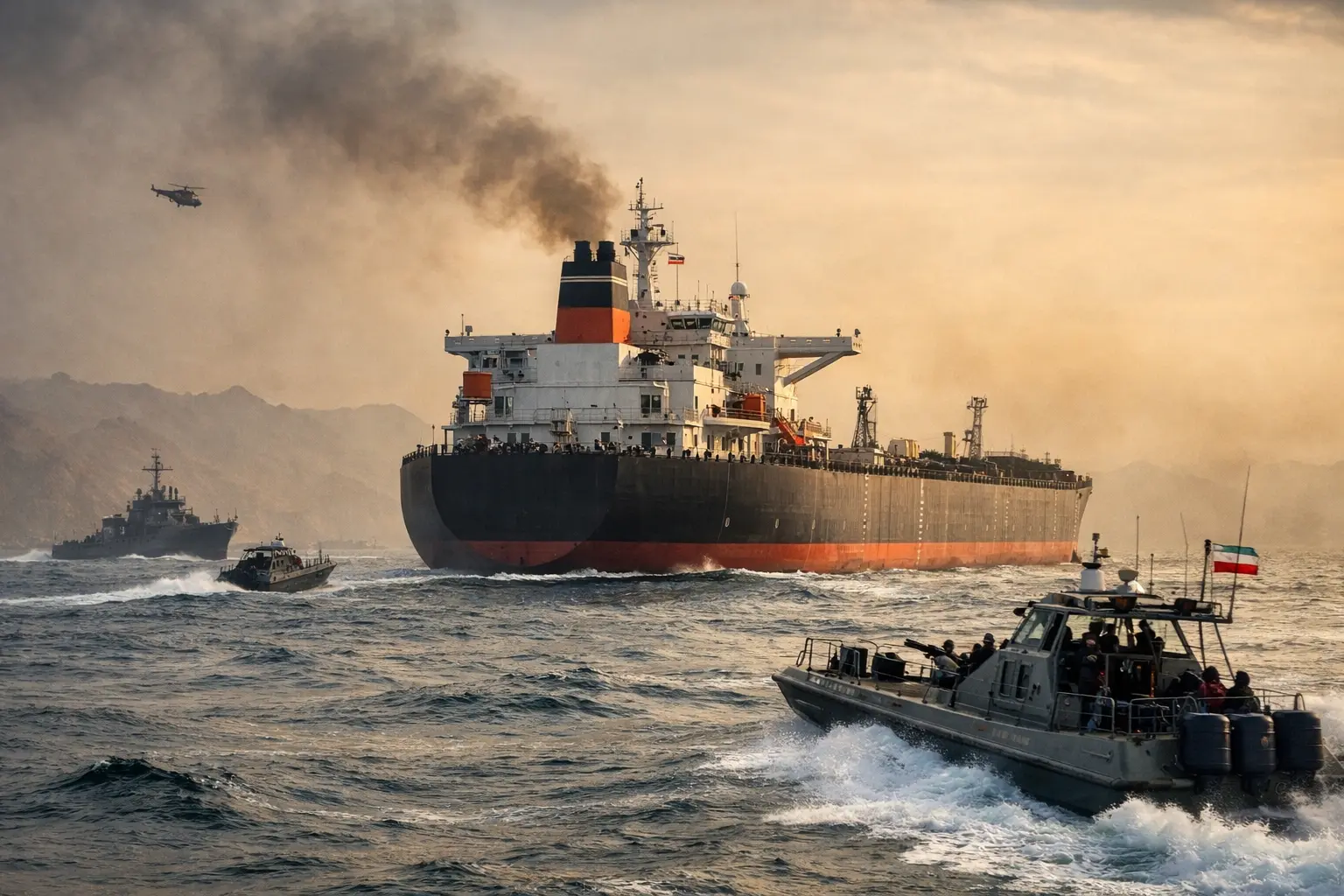
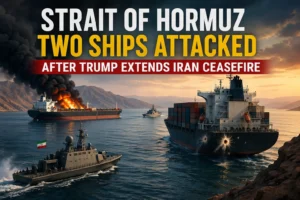
In the few hours following the announcement of the extension of the ceasefire agreement, at least two commercial ships were attacked in the critical shipping lane:
The container ship was attacked by the Iranian Islamic Revolutionary Guard Corps (IRGC) and sustained damages, although there were no casualties reported.
There was another attack on yet another ship, which led to speculation about potential coordination of the assaults.
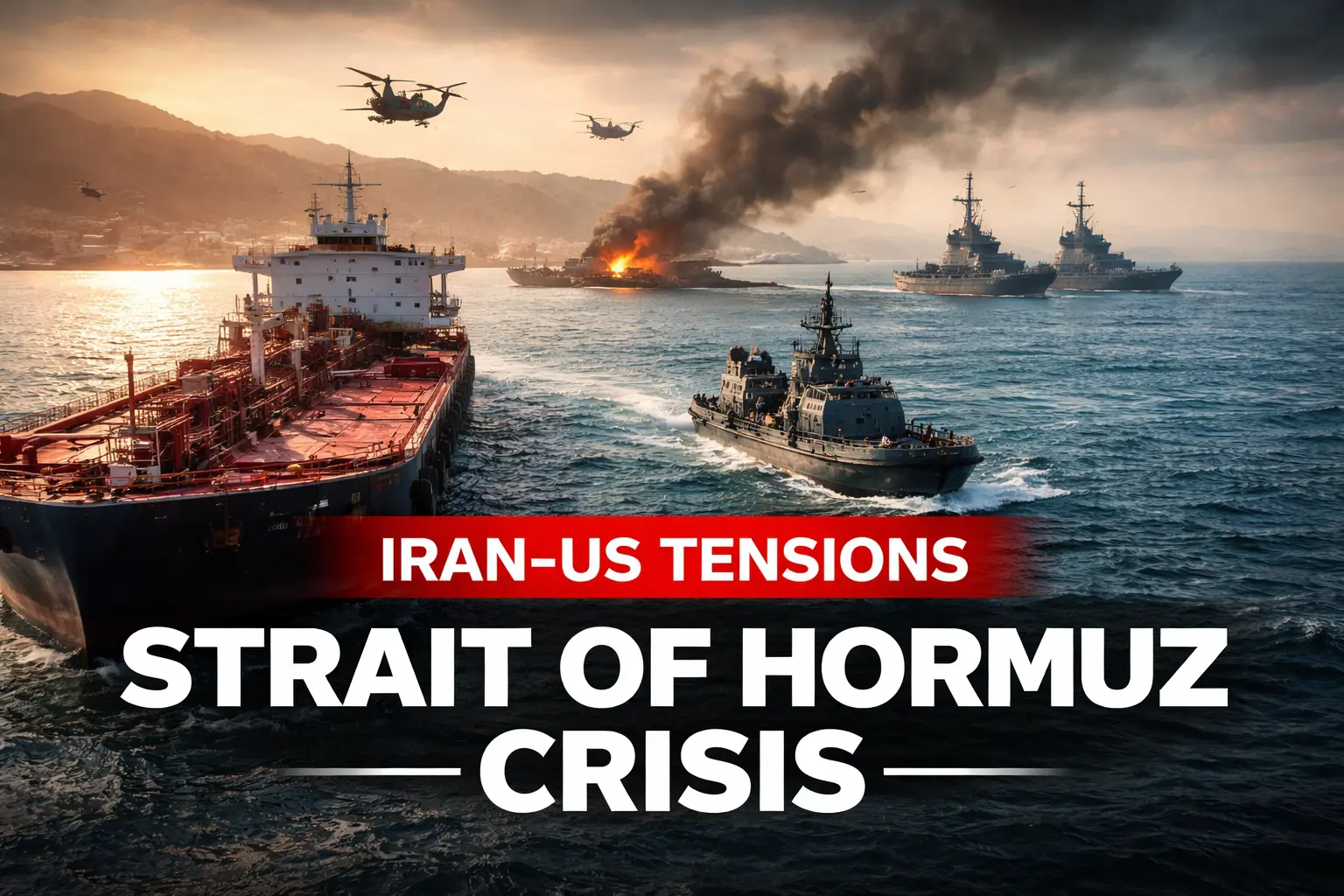
According to some reports, as many as three ships have fallen prey to gunshots, highlighting the increasing risk posed to international shipping lanes.
Iran has cited at least one instance where the ship in question violated numerous warnings from Iranian authorities during passage through their claimed jurisdiction.
A Critical Global Chokepoint Under Threat
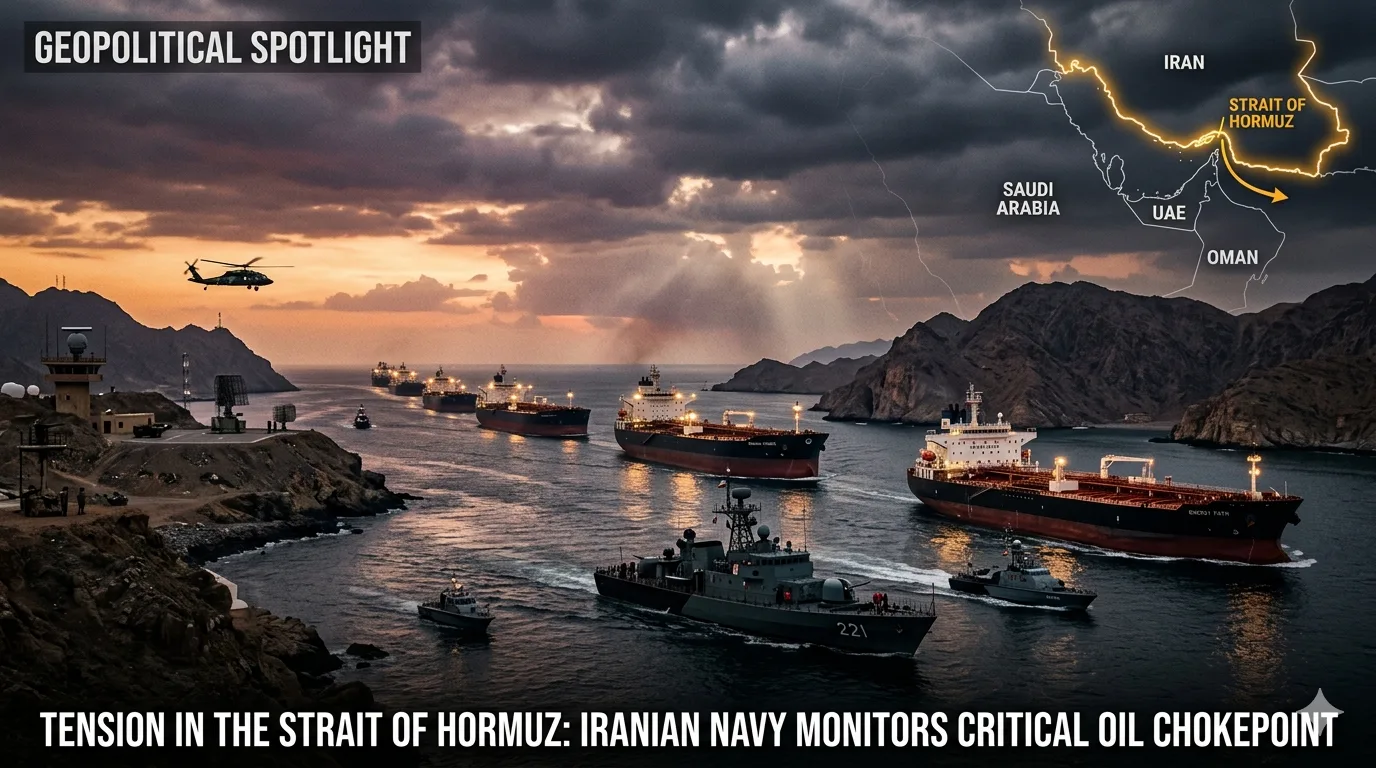
The Strait of Hormuz does not merely represent another shipping passage; rather, almost 20 percent of the world’s energy requirements pass through this chokepoint.
As if ships using this strait are already operating at minimum capacity and there are blockades by warships, the recent strikes have increased concerns about:
An energy crisis
Interference with global commerce
Oil price volatility
Financial markets are already starting to take note of how delicate the current ceasefire situation is.
Diplomatic Efforts on the Brink
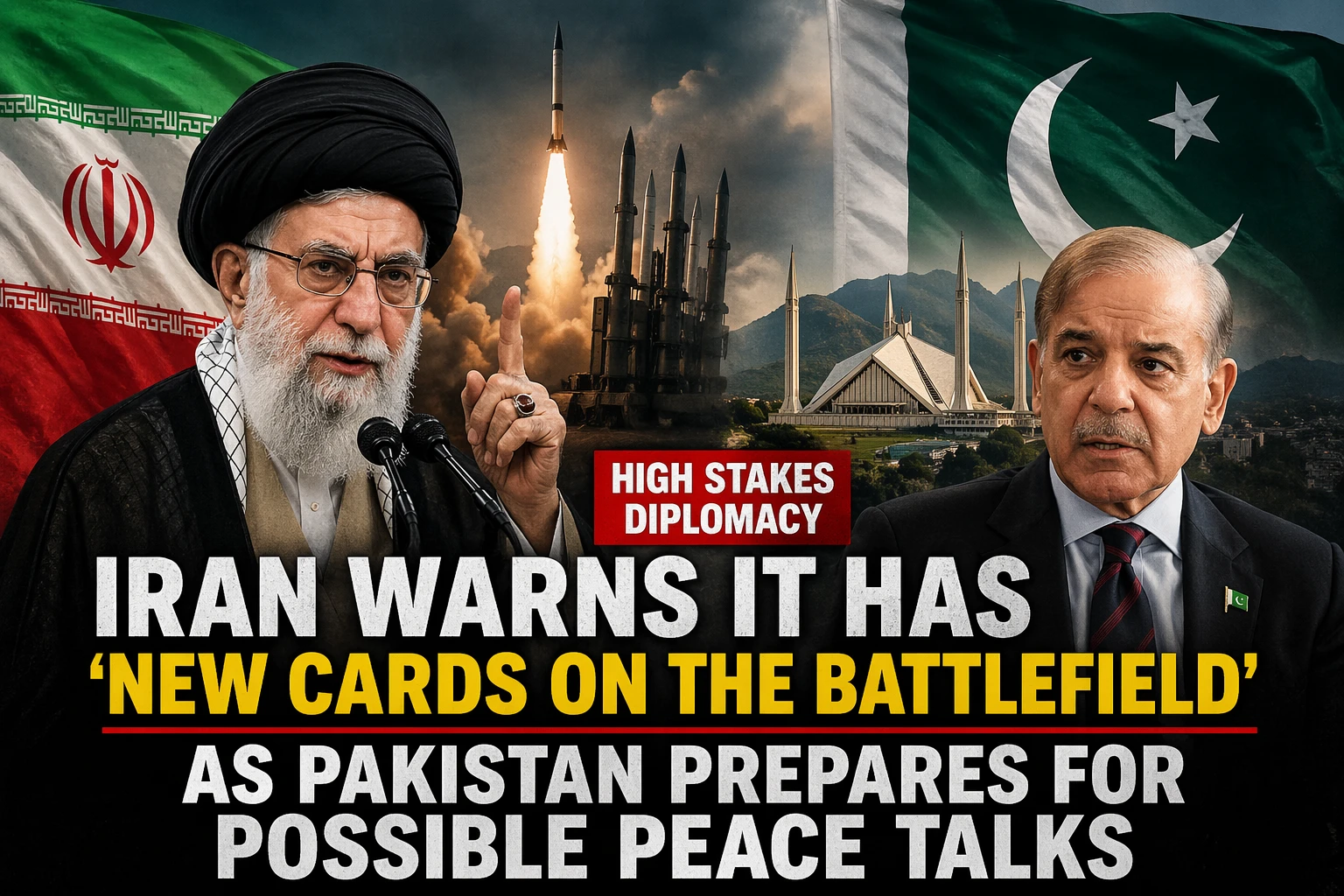
The attacks have dealt a serious blow to fragile diplomatic efforts. Planned talks between US and Iranian officials—expected to take place in Pakistan—have stalled, with Tehran reportedly backing out in protest over continued US naval blockades.
While Washington insists the ceasefire extension is meant to facilitate negotiations, Iran has called ongoing military and economic pressure “unacceptable,” signaling that trust between the two sides remains deeply fractured.
A Ceasefire in Name Only
Despite the formal extension, the situation on the ground suggests a ceasefire that exists largely on paper. Continued military posturing, ship attacks, and economic warfare point to a conflict that is far from cooling down.
With both sides holding firm—and strategic waterways turning increasingly volatile—the risk of a wider regional escalation remains high.
Disclaimer
This article is based on publicly available news reports and real-time developments. Details may evolve as the situation continues to unfold.