





Oil prices surged to their highest levels since 2022 amid rising fears of escalation between the US and Iran.
Global oil prices surged to their highest levels in four years on Thursday after reports emerged that US President Donald Trump is set to receive a briefing on fresh military options involving Iran.
Brent crude briefly climbed above $126 per barrel during Asian trading, marking its highest point since the energy shock that followed Russia’s invasion of Ukraine in 2022. Traders reacted sharply to growing concerns that tensions in the Middle East could spiral further and disrupt global energy supplies.
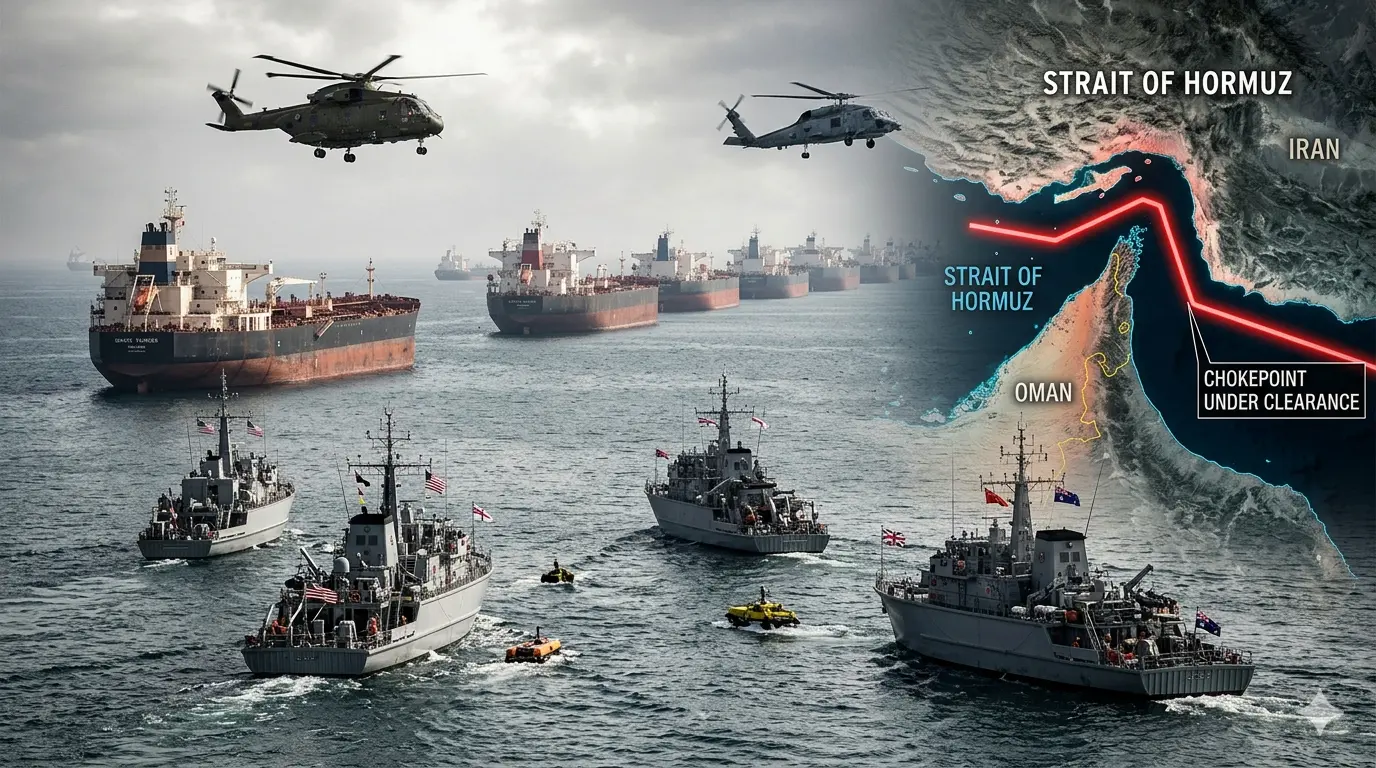
The market rally was triggered by reports that the US Central Command has prepared a set of “short and powerful” strike options aimed at breaking the ongoing deadlock with Tehran. According to multiple reports, the proposed plans may include attacks on infrastructure targets and efforts to secure parts of the Strait of Hormuz, one of the world’s most critical oil shipping routes.
Strait of Hormuz Fears Shake Global Markets
The Strait of Hormuz remains at the center of the crisis. Roughly one-fifth of the world’s oil supply typically moves through the narrow waterway, and continued disruption has heightened fears of a prolonged global energy crunch.
Oil traders are increasingly worried that the standoff between Washington and Tehran could drag on for months. Reports that the US may continue its naval blockade of Iranian ports have added to the uncertainty.
Although Brent crude later pulled back from its session high, prices remained sharply elevated compared to recent weeks. West Texas Intermediate (WTI) crude also crossed the $110 mark before easing slightly.
Rising Fuel Costs Could Impact Consumers Worldwide
The latest oil rally is already translating into higher fuel prices across several countries. Analysts warn that if the conflict escalates further, consumers could face rising petrol and diesel costs, along with broader inflationary pressure on transportation and food prices.
Market experts say even the possibility of additional military action is enough to trigger aggressive buying in energy markets.
Economists are also cautioning that extended disruptions in Gulf oil shipments could slow global growth and worsen inflation concerns for central banks already struggling with economic uncertainty.
Investors Watch Trump’s Next Move Closely
Investors are now closely watching the White House for any confirmation regarding the reported Iran briefing and whether Washington plans to intensify pressure on Tehran.
Stock markets across Asia ended lower amid the uncertainty, while energy shares gained on expectations of stronger oil revenues. Analysts believe the direction of oil prices in the coming days will largely depend on whether diplomatic talks resume or military tensions continue to escalate.
Disclaimer
This article is based on publicly available reports, market data, and international media coverage. Developments related to geopolitical tensions and oil markets may change rapidly.