






Trump Says US-Iran Ceasefire Still Holds After Exchange of Fire in Strait of Hormuz
A fragile diplomatic pause between Washington and Tehran faced its toughest test yet on Thursday after U.S. and Iranian forces exchanged fire in the strategically vital Strait of Hormuz. Despite the military flare-up, Donald Trump insisted the ceasefire remains in force, signaling that backchannel negotiations may still be alive even as energy markets react nervously.
What Happened?
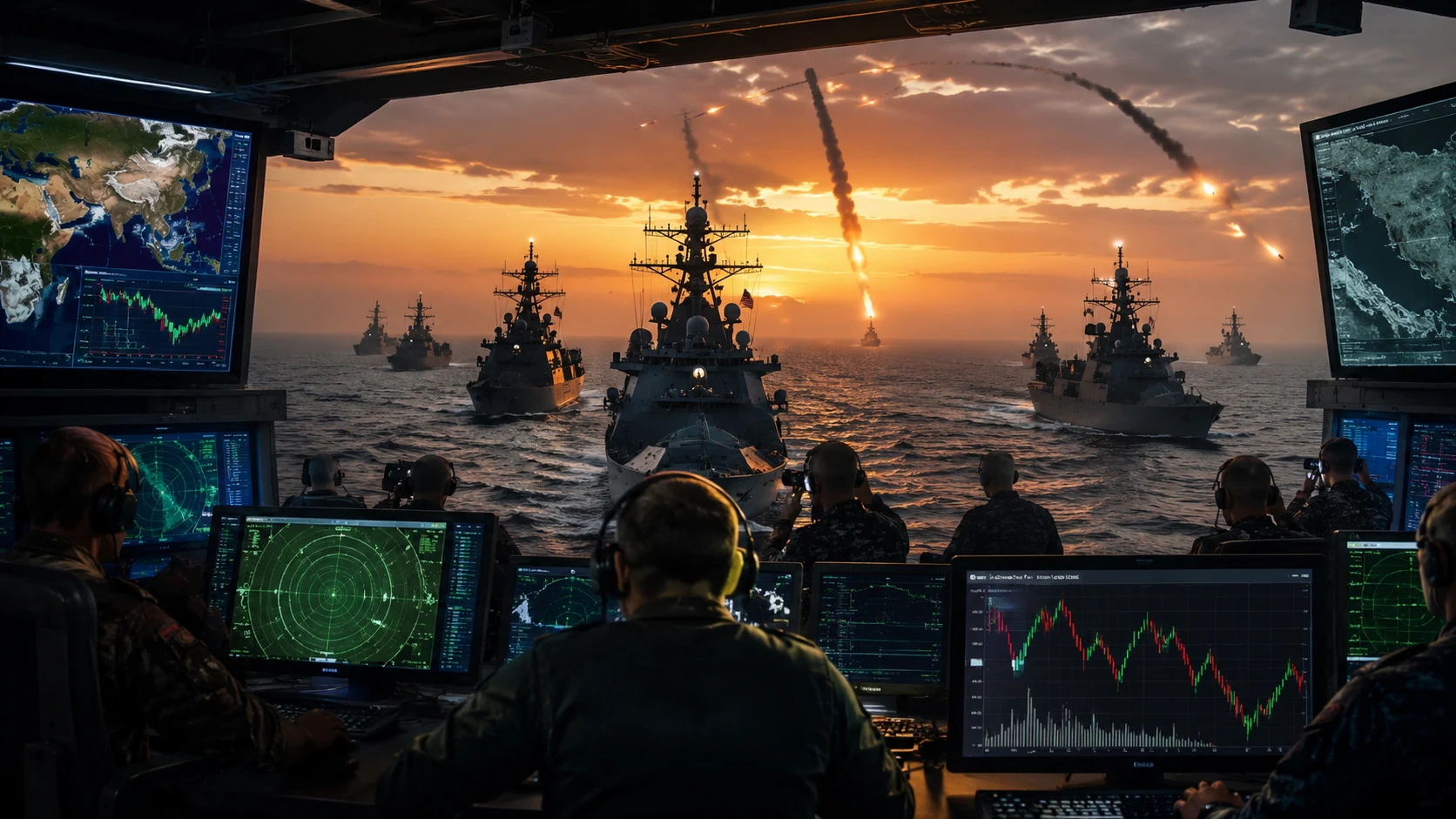
Fresh hostilities erupted late Thursday when Iranian forces reportedly launched missiles, drones, and fast attack boats toward three U.S. naval destroyers transiting the Strait of Hormuz, according to U.S. defense officials.
The U.S. military responded with what officials described as “self-defense strikes” targeting Iranian missile launch sites, surveillance facilities, and command positions near Qeshm Island and Bandar Abbas.
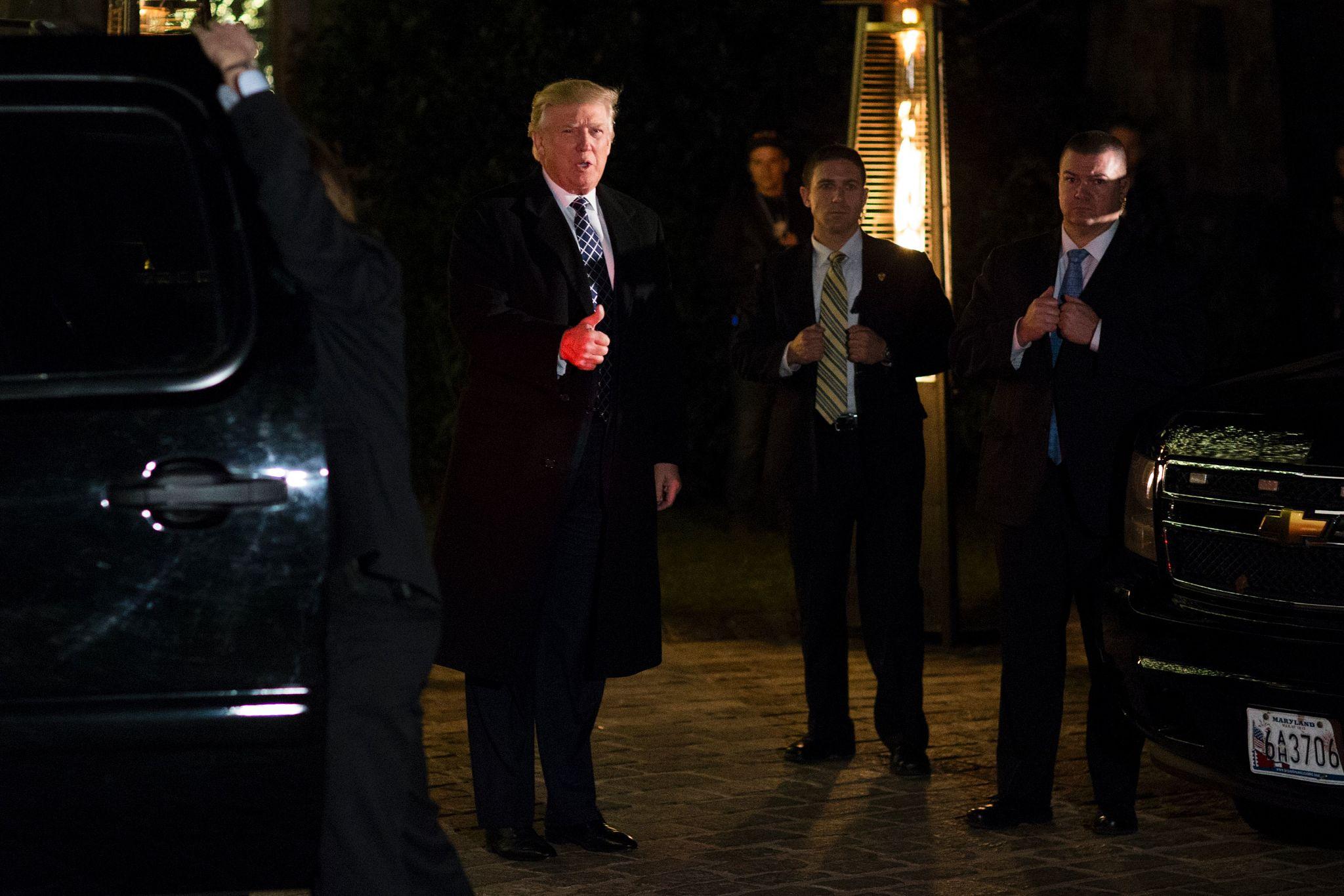
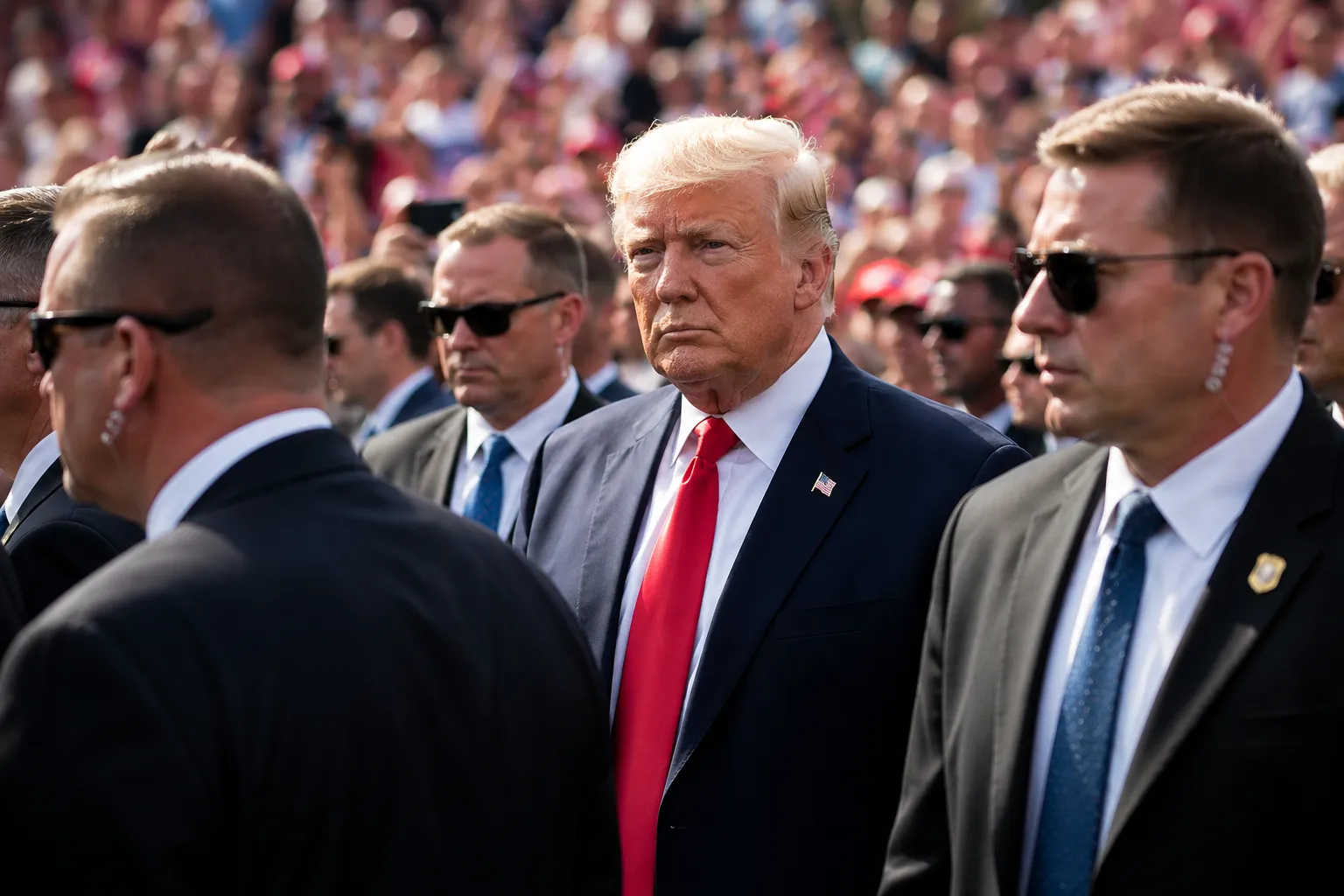
Speaking to reporters in Washington, Trump downplayed the escalation, stating the ceasefire “is still in effect” and describing the U.S. response as limited and proportional.
No American vessels were reported damaged, according to U.S. Central Command.
Background Context
The latest clash comes nearly a month after Washington and Tehran agreed to a conditional ceasefire following weeks of escalating naval and aerial confrontations in the Persian Gulf.
The agreement had temporarily eased fears of a wider regional conflict and allowed partial reopening of shipping lanes through the Strait of Hormuz—one of the world’s most strategically important maritime chokepoints.
Strait of Hormuz handles roughly one-fifth of global oil trade, making any military activity in the corridor a major concern for governments, refiners, and investors worldwide.
Why This Matters?
The renewed exchange raises questions about whether the ceasefire is a durable diplomatic framework or merely a tactical pause.
Even limited military engagements in the Gulf can disrupt shipping insurance, reroute tanker traffic, and raise geopolitical risk premiums across global commodity markets.
For Asia, particularly India, China, Japan, and South Korea, uninterrupted passage through Hormuz remains critical for energy security.
Market / Economic Impact
Oil traders reacted immediately to reports of renewed fighting. Brent crude briefly crossed the $100-per-barrel mark in early trading, reflecting fears of supply disruptions in the Gulf.
Shipping companies and insurers are also reviewing risk assessments for vessels transiting the region, potentially increasing freight costs for crude and LNG cargoes.
Currency markets showed mild risk-off sentiment, while defense stocks gained in early European trade.
Expert Analysis
Regional security analysts say Trump’s insistence that the ceasefire remains intact suggests Washington is attempting to prevent market panic while preserving room for negotiations.
Military experts note that the U.S. response appeared calibrated—strong enough to deter further attacks, but limited enough to avoid triggering a full-scale escalation.
Diplomatic channels reportedly involving Gulf mediators and South Asian intermediaries remain active.
Global / Industry Reactions
Officials in the United Arab Emirates reportedly activated air defenses after related drone and missile threats emerged in the region.
Energy traders across Europe and Asia closely monitored vessel movements through the Gulf, while several shipping intelligence firms flagged increased security alerts.
International diplomats urged both sides to avoid retaliatory spirals that could destabilize global trade flows.