







Fuel Retailers Seek Advance Payments as Losses Mount Amid Global Price Surge
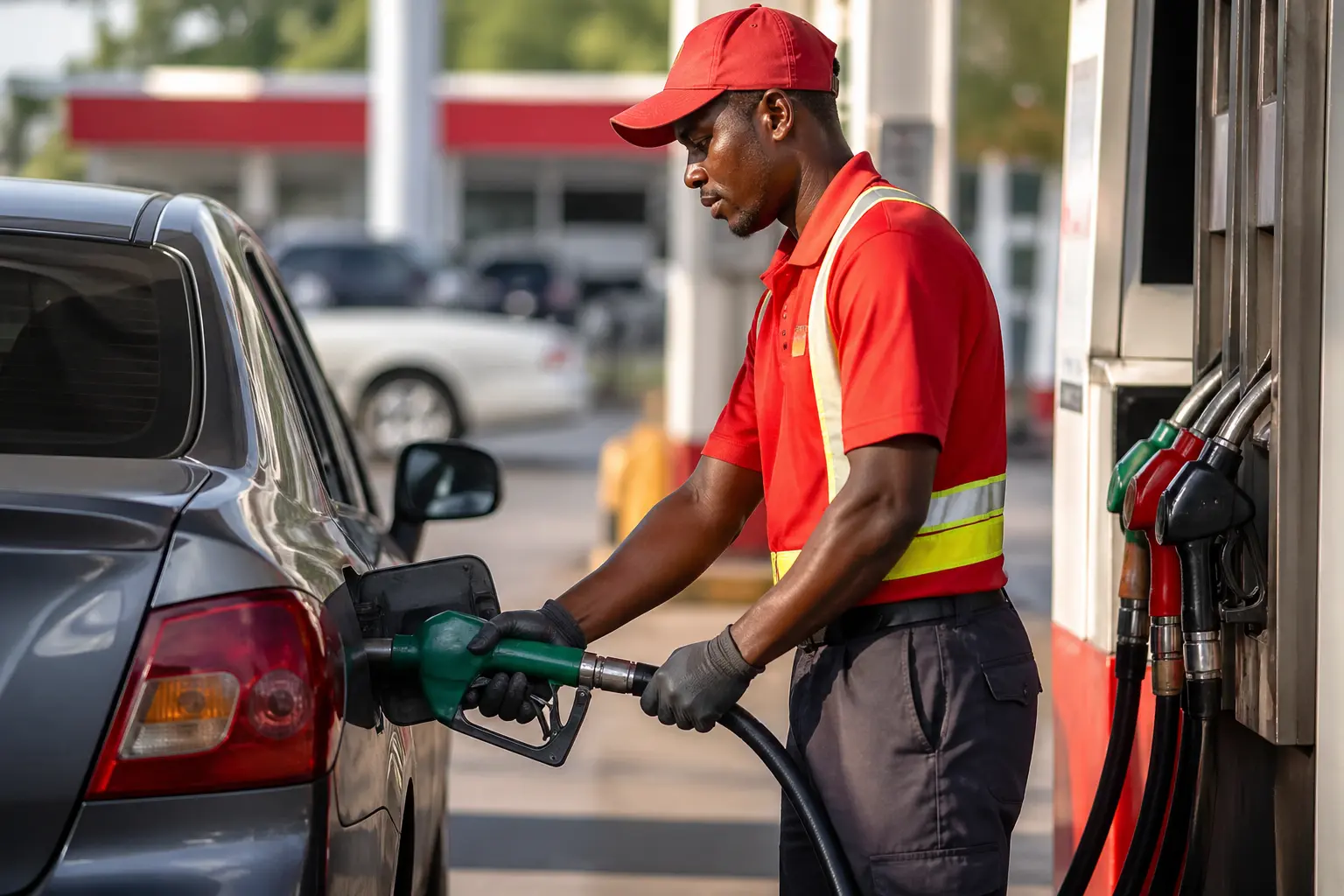
Fuel retailers are demanding advance payments from bulk fuel buyers as they are facing financial difficulties due to the sudden increase in crude oil prices. The sharp increase in crude oil prices has resulted in a significant increase in the cost of fuel procurement for fuel marketing companies. This has forced fuel marketing companies to demand advance payments from commercial customers such as transport operators and industrial customers as they are finding it difficult to bridge the gap between the cost of fuel procurement and the selling price.
Rising Crude Prices Squeeze Margins
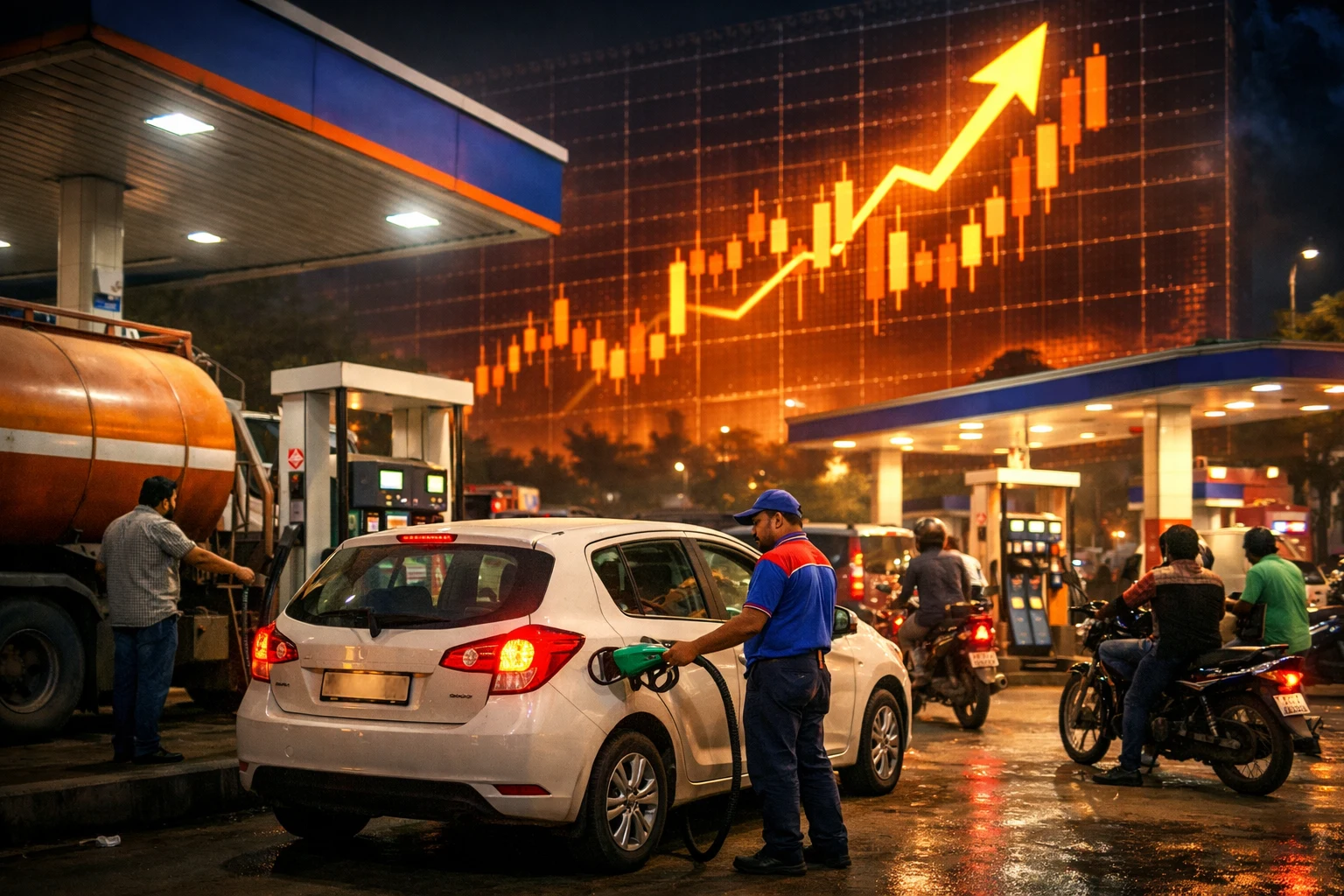
Crude oil prices across the world have shown a significant upward trend in recent weeks due to various geopolitical issues and a rise in production policies from oil-producing nations. With crude oil prices rising continuously, fuel retailers have to purchase petroleum products at a high cost and sell them at a relatively lower rate due to various reasons such as regulatory and political issues.
This has caused a significant margin pressure for fuel retailers in recent times. Many retailers are reportedly incurring losses in fuel sales and are forced to tighten their credit policies.
Impact on Bulk Buyers and Businesses
Bulk buyers of fuel products, such as logistics companies, mining companies, construction companies, and manufacturing units, will be impacted by the new payment policies. Advance payments will require a significant increase in working capital requirements for such businesses that use diesel as a primary energy source.
Market experts believe that in case oil prices continue to rise in the coming days, more fuel retailers may be forced to tighten their payment policies to avoid financial losses.
Policy and Market Outlook
Energy experts have also opined that the continued pressure on fuel retailers could lead to a wider debate around the fuel pricing mechanism and the subsidy structure. There is always a fine line for the government to balance the interests of the consumers with the viability of the energy companies.
In the short term, the situation is expected to depend on the trend of crude oil prices. Any sustained increase in the crude oil prices could lead to more structural changes in the fuel pricing and distribution mechanism.
Disclaimer: The content of this article is based on the available public domain sources. The content is for general information purposes only and is intended for the readers. VetoPost is not responsible for the accuracy of the content. It is advised that readers must go through the Terms and Conditions of VetoPost before taking any financial, investment, or legal decisions.