




The statements made by Trump have also attracted interest due to the fact that political statements have an impact on market sentiment, especially if they concern energy supplies and conflicts.
The statements made about Iran have attracted interest from oil traders due to the fact that Iran has some of the largest proven oil reserves in the world. This means that any potential restrictions, sanctions, and conflicts that could affect Iran’s oil supplies could impact the world.
The production levels in America and energy export policies can affect how America responds to oil prices.
According to analysts, statements made by political figures have an impact on commodity prices due to the fact that they create uncertainty.
Oil Markets and Global Trade React First
The energy markets were some of the first sectors to reflect the worldwide impact of the Iran bombing. This is because of the strategic location of Iran and its role in the world energy supply chain.
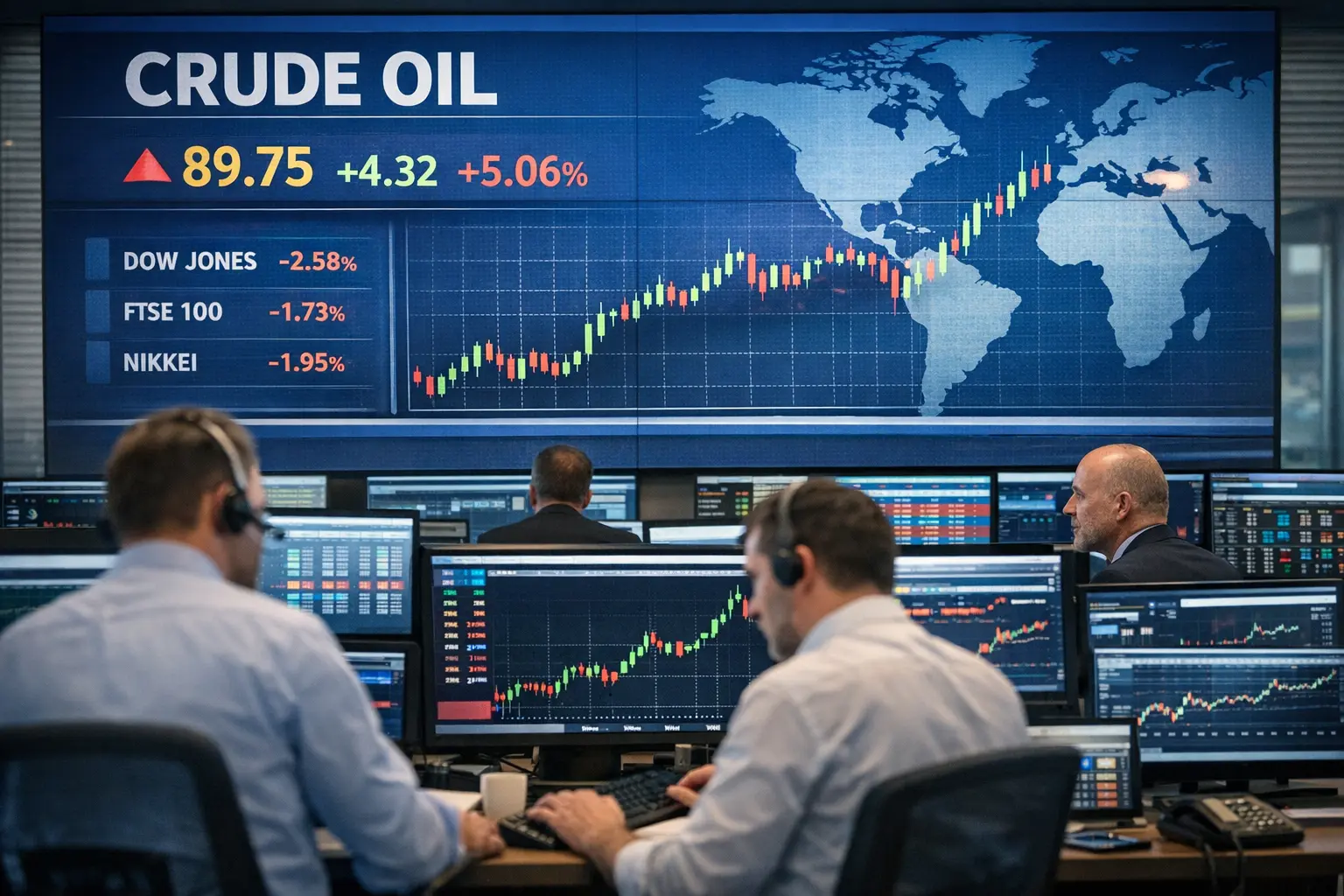
Within a few hours of the strike reports, crude oil futures increased significantly as the strike risk was factored into the energy markets. Premiums for marine insurance for vessels passing through the Strait of Hormuz, a key oil chokepoint through which a significant portion of the world’s oil passes, also started to be assessed.
The effects of the Iran bombing were also being felt by economies located far from the Middle East. This is because of the impact of energy prices.
The economies, already dealing with the aftermath of the pandemic and inflation, were subjected to a new dimension of uncertainty.
Diplomatic Tensions Spread Across Regions
Outside of the economic arena, the international repercussions of the Iran bombing have been apparent.
Some countries have called for restraint and dialogue, while international organizations have called upon all parties to refrain from further escalating the situation. Experts say that the situation is particularly precarious because the Middle East is a volatile arena with many alliances and counter-alliances.
Some countries have enhanced security measures at their missions and military bases in the region. Other countries have initiated talks with their allies to discuss the possible consequences should the situation worsen.
The concern is not only with the situation at hand but with the possibility of retaliatory strikes that might follow.
Security Concerns Rise Worldwide
The airspace monitoring agencies and airlines responded well to this developing situation.
Some of the airlines had to change flight routes to avoid certain air routes that might be risky around this conflict zone. The intelligence agencies in some nations also stepped up their surveillance to monitor any response from this region.
It is said that conflicts in strategically important regions often raise security alerts because of the infrastructure in those regions.
What Happens Next
The prediction of the trajectory of the situation remains difficult.
Several factors will likely determine how the global impact of Iran bombing evolves in the coming weeks:
- If there is further military strikes or retaliation
- Diplomatic negotiations of the major global powers involved in the crisis
- The stability of the oil routes in the region of the Gulf
- International mediation of the crisis
- If the situation stabilizes, the markets may gradually improve, and diplomacy may take center stage. However, further escalation of the situation may lead to further economic instability and may test the strength of global alliances.
For now, governments and analysts are watching the situation as it continues to evolve.
Disclaimer
This article is based on information from publicly available reports and statements from reputable international sources. Developments in geopolitical events can change rapidly, and readers should refer to official government updates and trusted news organizations for the latest verified information.