








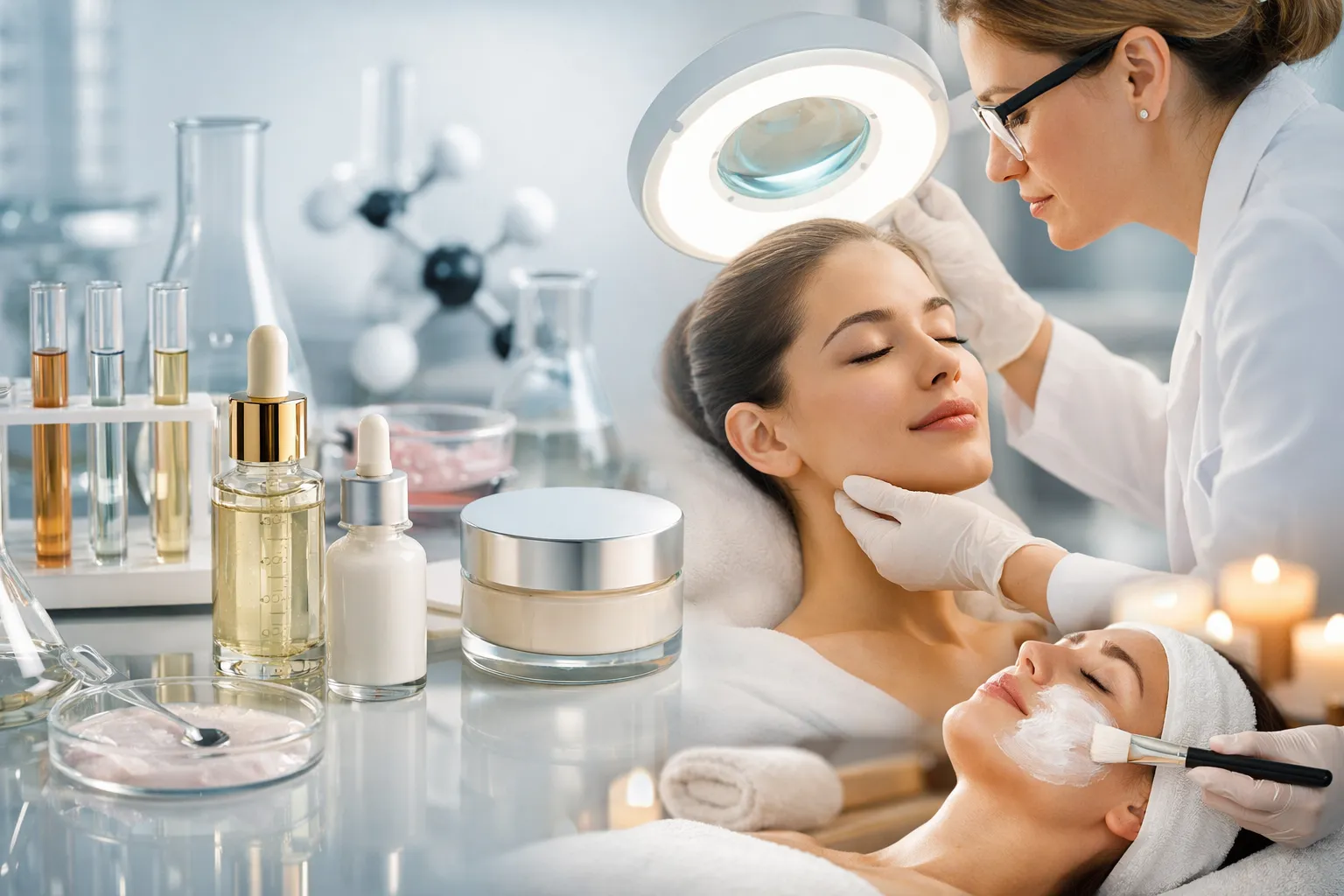
Salmon sperm to bird droppings: The science behind bizarre skincare trends
The science behind bizarre beauty trends is gaining more and more interest, particularly because these unusual beauty treatments are no longer exclusive to high-end beauty clinics but are now becoming popular within social media communities. Ingredients such as salmon DNA and bird droppings, for example, are no longer considered extreme beauty treatments but are instead becoming popular high-end beauty treatments for achieving a radiant and young-looking complexion.
Although there is a degree of science behind some of these beauty trends, there is a sense of marketing more so than science behind others. And it is this difference between marketing and science where the confusion lies. Shock value is becoming a popular factor within the beauty industry, particularly within the digital beauty landscape. Unusual beauty ingredients are becoming popular very quickly, particularly when they are linked with celebrity culture. However, the real issue at hand is whether these treatments work and whether they are safe.
Why unusual ingredients gain popularity
Bizarre skincare products often succeed because they feel exclusive and advanced. Ingredients such as salmon DNA, snail mucin, bee venom, and even placenta extracts are positioned as cutting-edge alternatives to everyday creams.
The psychology is simple—rare or unusual ingredients are often perceived as more powerful. However, skincare effectiveness depends less on how exotic something sounds and more on whether it supports hydration, exfoliation, or skin repair.
This means some unusual ingredients can work—but not necessarily better than well-known, scientifically tested options.
The science behind salmon sperm facials
One of the most talked-about trends involves salmon DNA, often used in facials and injectable treatments. These products typically contain processed compounds like polynucleotides, which may support skin repair and hydration.
The idea is that these molecules help improve elasticity, reduce inflammation, and boost skin recovery. In cosmetic dermatology, this concept has gained interest, especially for anti-ageing treatments.
However, evidence remains limited. While some users report smoother, more hydrated skin, results vary widely depending on formulation and application. Importantly, the final product is highly refined—far removed from the raw ingredient implied by its name.
Why bird droppings facials became a trend
Bird droppings facials, often linked to traditional Japanese skincare, are another viral example. The appeal lies in natural enzymes believed to gently exfoliate and brighten the skin.
In professional settings, these ingredients are sterilised and processed before use. They are not applied in raw form.
Still, compared with established skincare ingredients like retinoids or niacinamide, scientific backing for these treatments is limited. For many users, similar results can be achieved with safer, more studied exfoliating products.
The pattern behind viral skincare trends
The majority of bizarre skincare trends follow a similar pattern. A unique ingredient comes to light, and it is associated with luxury or celebrities. This ingredient is then presented as a scientific breakthrough.
There may be a legitimate mechanism of hydration, exfoliation, or antioxidant support. However, marketers often stretch scientific language to make a product sound more impressive than it really is. “Cell renewal” or “DNA repair” are not always what they seem.
What experts recommend
Dermatologists recommend sticking to simple, tried-and-true routines. For example, cleansing, moisturizing, sun protection, and a handful of tried-and-true ingredients are often more effective than trying out the latest viral skincare trends.
Ingredients such as retinoids, vitamin C, hyaluronic acid, and ceramides are still the gold standard because they have been extensively tested and proven to be effective.
It’s not that unusual skincare ingredients are completely useless. It’s just that they should be examined on their own merits, not based on their popularity.
Disclaimer: This article is based on publicly available information and general cosmetic science insights. Consult a qualified dermatologist before trying new or unconventional skincare treatments.