






Iran Escalates Retaliatory Strikes Amid U.S. Long Battle Warning
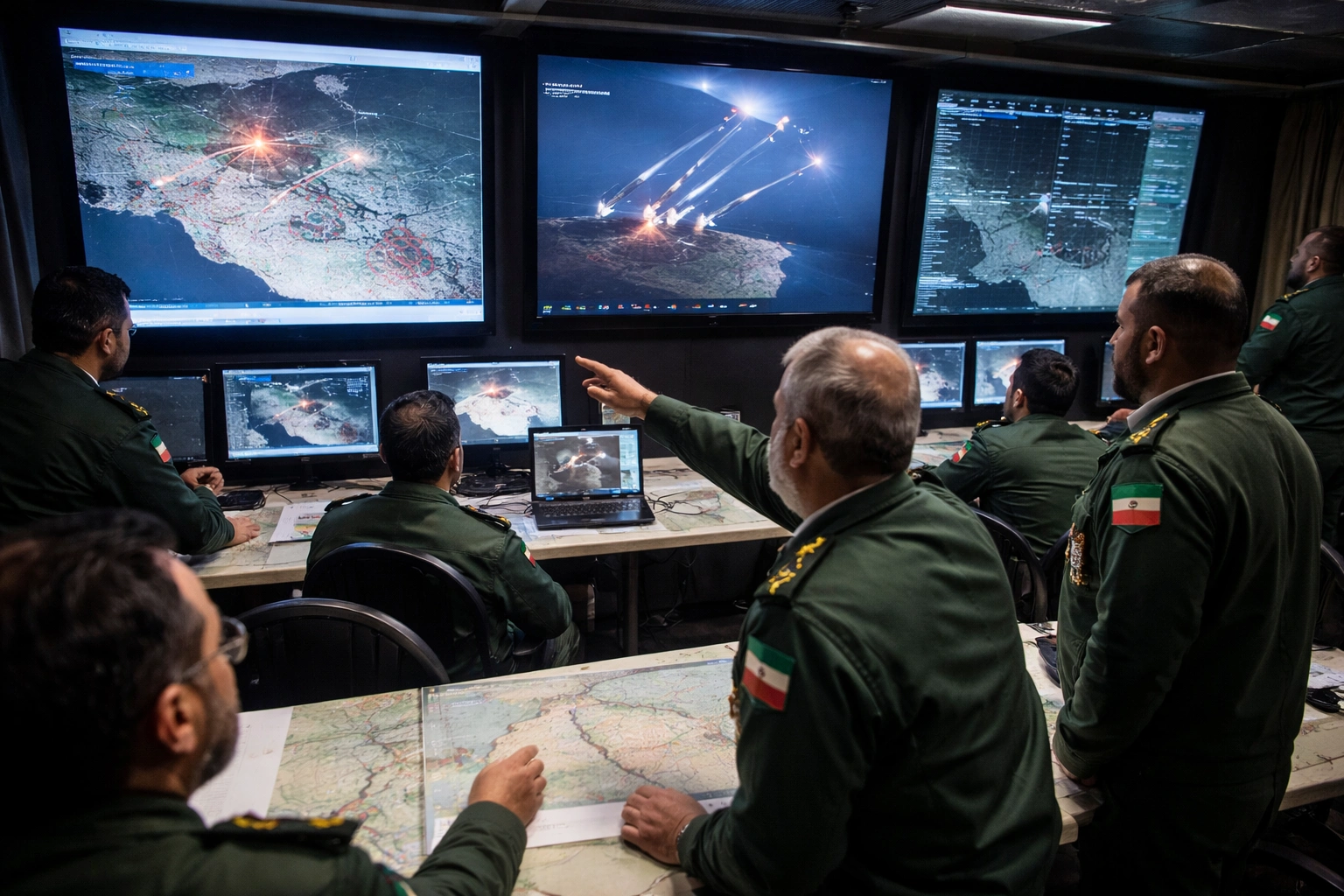
Iran strikes escalate in retaliation against the US long battle warning amid rising tensions in the Middle East, which indicates that the Iran-US confrontation is not likely to end any time soon. Military confrontations in the past few days have moved from isolated incidents to a broader scale, which has raised concerns about the possibility of a prolonged Middle East conflict. Iran has described its strikes as defensive moves following earlier US and its allies’ strikes. However, the US leadership has also hinted that the Iran-US confrontation could last for weeks or even months based on the situation on the ground.
Regional Impact and Military Calculations
Iran’s retaliatory strikes, according to reports, were directed at strategic targets associated with US interests in the region. Though Iran has not revealed all the information about the operations, hints were given through state media that more operations are “on the table.”
The United States, under President Joe Biden, has enhanced defensive positions in key areas, such as maritime routes around the Strait of Hormuz. This is a key region for global oil trade, and any disruption, though limited, could affect global trade.
Defense experts have noted that neither side is seeking an all-out war, and they are using tit-for-tat strikes to deter each other.
Security experts referenced by Reuters Middle East coverage and BBC News Middle East
Diplomatic Channels Under Pressure
Diplomatic communication has not fully collapsed. However, intermediaries in Europe and the Gulf are facing growing challenges in bringing both sides back to direct talks.
Iran maintains that its actions are proportionate responses to prior U.S. measures. American officials, on the other hand, argue that continued retaliation will be met with sustained countermeasures.
This dynamic increases the risk of miscalculation. Even limited strikes can trigger wider responses if civilian infrastructure or strategic assets are impacted.
Observers note that domestic political pressures in both countries may also be shaping public rhetoric. Leadership on both sides faces scrutiny from internal constituencies demanding strength rather than compromise.
Economic and Energy Concerns
However, the recent developments have been met with a cautious response in the energy markets. While there have been no major disruptions in supply, the markets have been sensitive to the risks of shipping lanes and oil infrastructure.
Earlier, the International Energy Agency had warned of the implications of instability in the shipping lanes of the Gulf region. This instability may soon reflect in the price volatility of oil.
Already, the region is dealing with issues of inflation, and this instability may add to the uncertainty.
What Happens Next?
There are a number of possibilities:
Managed Escalation: Ongoing limited strikes, but with back-channel negotiations to prevent war.
Greater Regional Involvement: Allied militia groups or regional states becoming more involved.
De-escalation Negotiations: Third-party negotiations to arrange a temporary ceasefire.
The length of the war may depend on calculations rather than the war itself. As long as both sides believe that prolonged engagement will improve their bargaining power, the standoff may continue.
Yet, if costs increase significantly, negotiations might look more attractive.
This situation may continue until one of the sides becomes more desperate to negotiate, or until costs increase significantly, making negotiations more attractive.