







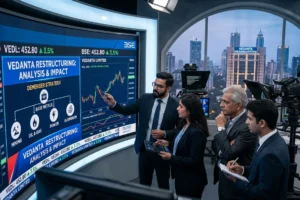
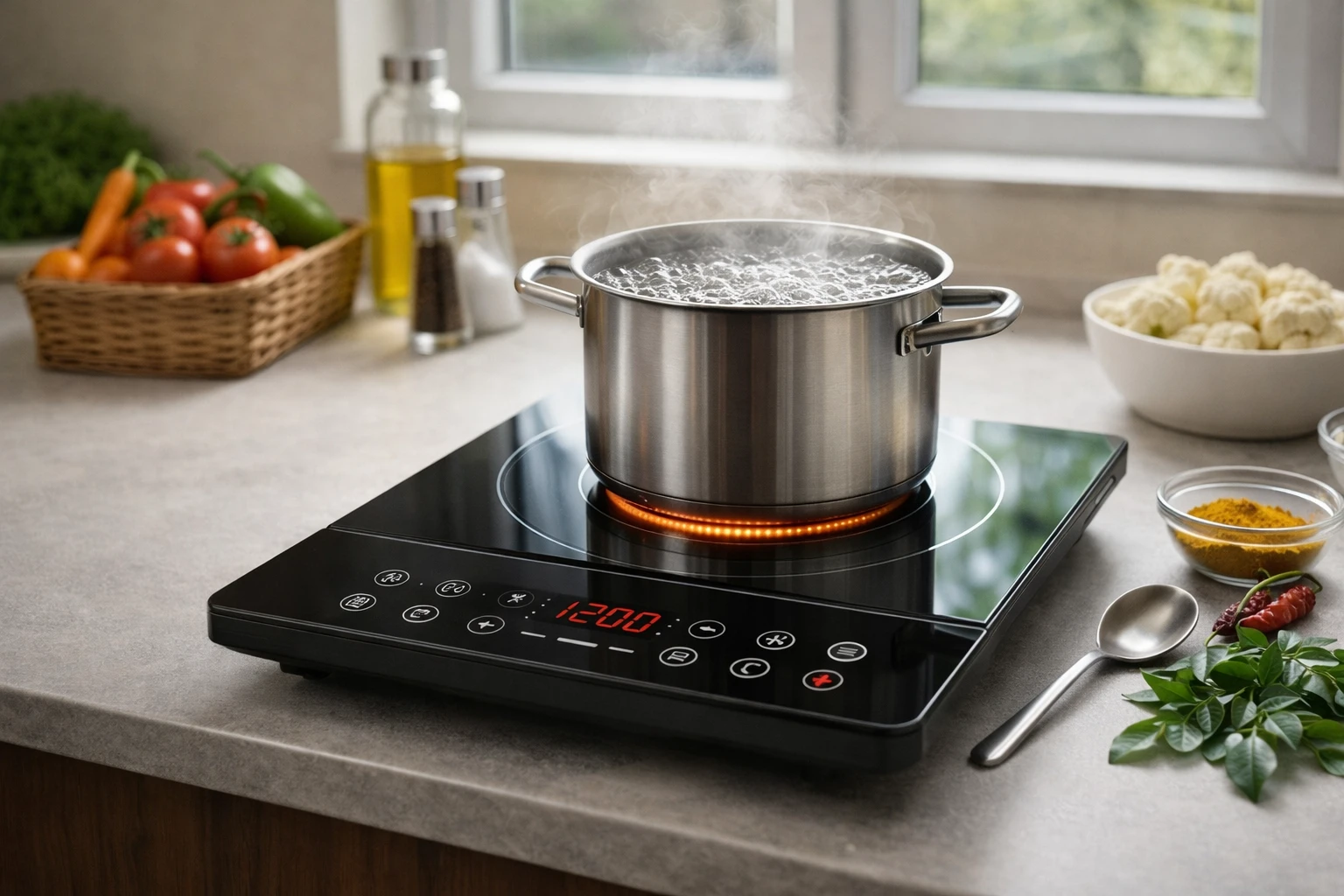
Shares of companies that produce kitchen appliance products recorded significant gains on Wednesday, particularly after the issuance of a directive promoting the use of induction cookers amidst the prevailing LPG supply disruptions. This has prompted investors to buy shares of companies that produce electric cooking appliances, thereby creating what has been referred to as a “short-term demand rally” in the context of the LPG crisis.
One of the biggest kitchen appliance producers in India, TTK Prestige, recorded significant gains on the day, with its shares rising up to 8% during intraday trading. This has prompted speculation that the prevailing LPG crisis will encourage investors to buy shares of companies that produce electric cooking appliances.
According to prevailing market sentiment, the LPG crisis has prompted the Indian Railway Catering and Tourism Corporation (IRCTC) to issue a directive promoting the use of induction cookers in their operations, thereby triggering the buying of shares of companies that produce electric cooking appliances. This has been prompted by the fact that the operations of the IRCTC are on a large scale, thereby making the directive significant to the prevailing LPG crisis.
Why the LPG Crisis Is Driving Induction Cooker Demand
“The recent run-up in appliance stocks is a good example of the short-term nature of market sentiment, which can react favorably to supply chain disruptions for essentials such as cooking fuel.”
India is largely dependent on LPG cylinders for cooking both at homes and in commercial establishments. In the event of any supply chain disruption, such establishments are forced to look for alternative modes of cooking, such as electric induction cookers.
Observers point out that induction cookers also provide several advantages for the short-term:
They do not require LPG cylinders for operation.
They are also more readily available for use in institutional kitchens.
Electricity is also more easily standardized for bulk cooking.
For example, the railway catering services handle thousands of meals daily. Even partial adoption of such cookers would mean bulk orders for such products.
This appears to be the reason for the excitement among investors.
Another reason cited by traders is that companies such as TTK Prestige are already established players in the electric induction cookers and cookware market.
For broader context on energy supply disruptions affecting markets, readers can refer to this Reuters report:
https://www.reuters.com/world/
Market Reaction and Investor Sentiment
This is based on the stock market’s response, which shows investors are factoring in a short-term demand surge for electric cooking appliances.
TTK Prestige stocks have risen as much as 8% intraday, although they have pared some of those gains. Other consumer appliance companies have also registered gains, although they are more moderate.
According to analysts at brokerage firms, this is more of a sentiment-driven market and does not reflect immediate earnings upgrades.
A senior market analyst commented, “If there is institutional demand from railway kitchens and the like, it can suddenly pick up order volumes for companies. But it really depends on whether this LPG supply issue is sustained.”
Another reason is related to end consumers. If consumers do not see LPG supplies as sustained, there is a chance they might buy more induction cooktops through retail and e-commerce channels.
For background on how energy shortages affect economic activity, see this overview from the BBC:
https://www.bbc.com/news/business
What Happens Next
The sustainability of the stock rally will likely depend on three factors.
First, the duration of the LPG supply disruption. If the issue is resolved quickly, the demand spike for induction cookers may remain limited.
Second, institutional adoption. Large buyers like railway catering services, hotels, and cloud kitchens could create meaningful demand if they continue using electric cooking equipment.
Third, consumer sentiment. A broader shift toward electric cooking—if it occurs—could support appliance companies beyond the immediate crisis.
Some analysts also note that India’s long-term energy transition and electrification goals may indirectly support induction cooking adoption over time.
Still, most experts caution that the current stock movement appears to be a reaction to news flow rather than a structural industry shift.
Disclaimer:
This article is based on publicly available information from financial market updates, corporate disclosures, and reputable news sources. Market movements and company performance may change as new information emerges. Readers should verify details from official announcements or financial advisors before making investment decisions.