Israel and Hezbollah Renew Ceasefire Amid Iran Peace Talks Delay
Renewed Truce Follows Deadly Escalation
Israel and Hezbollah have agreed to restore a ceasefire after a fresh round of violence along the Israel-Lebanon border left multiple casualties on both sides and raised concerns about a wider regional conflict.
According to official reports, four Israeli soldiers were killed during the latest clashes. Lebanese authorities also reported at least 18 deaths in Lebanon as fighting intensified before diplomatic efforts helped bring the situation under control.
The renewed ceasefire aims to halt hostilities and prevent further escalation in one of the Middle East's most sensitive flashpoints. Security officials from both sides have not indicated that a long-term settlement has been reached, but the agreement is expected to reduce immediate risks to civilians living near the border.
Iran-Related Negotiations Delayed
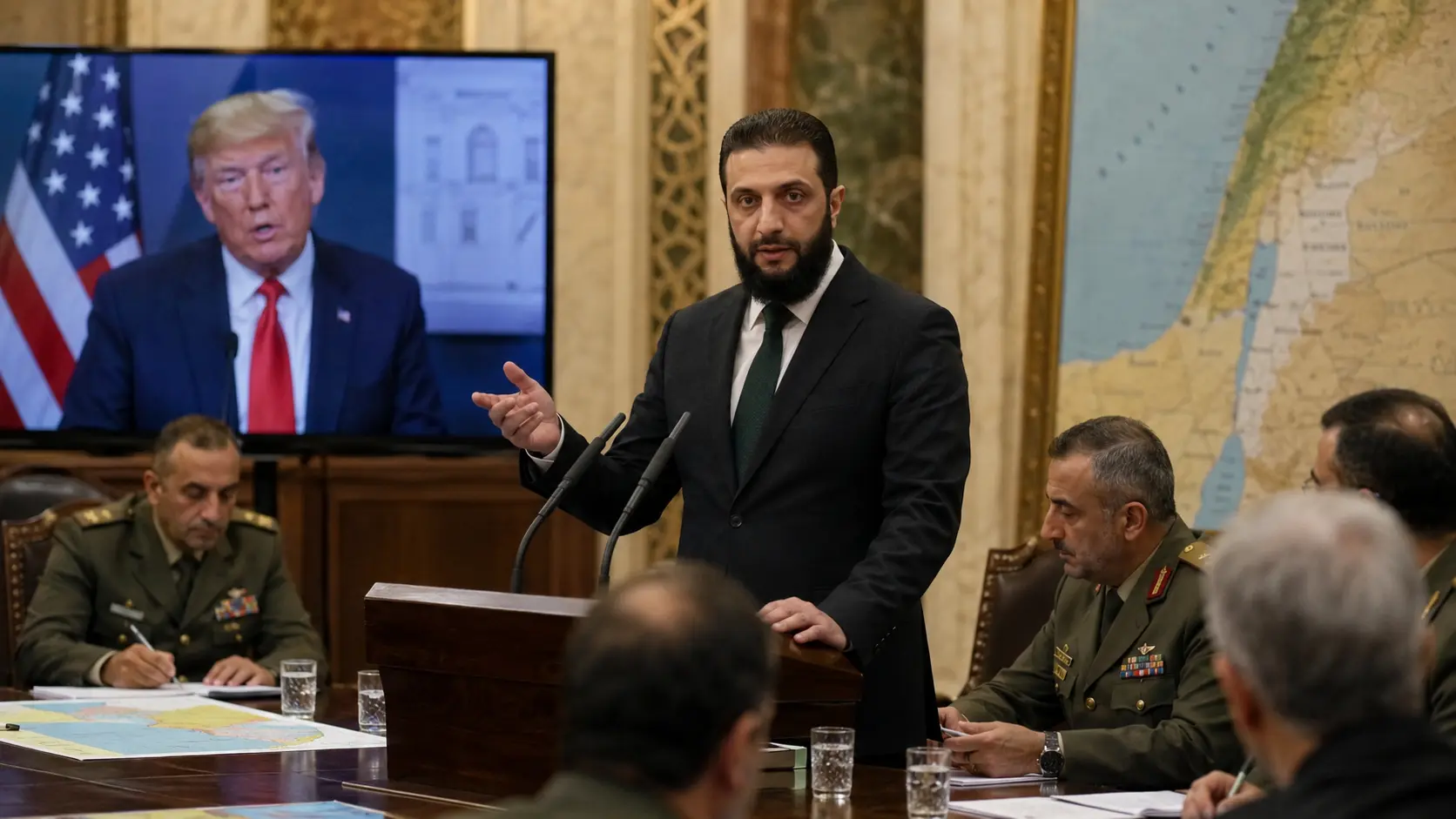
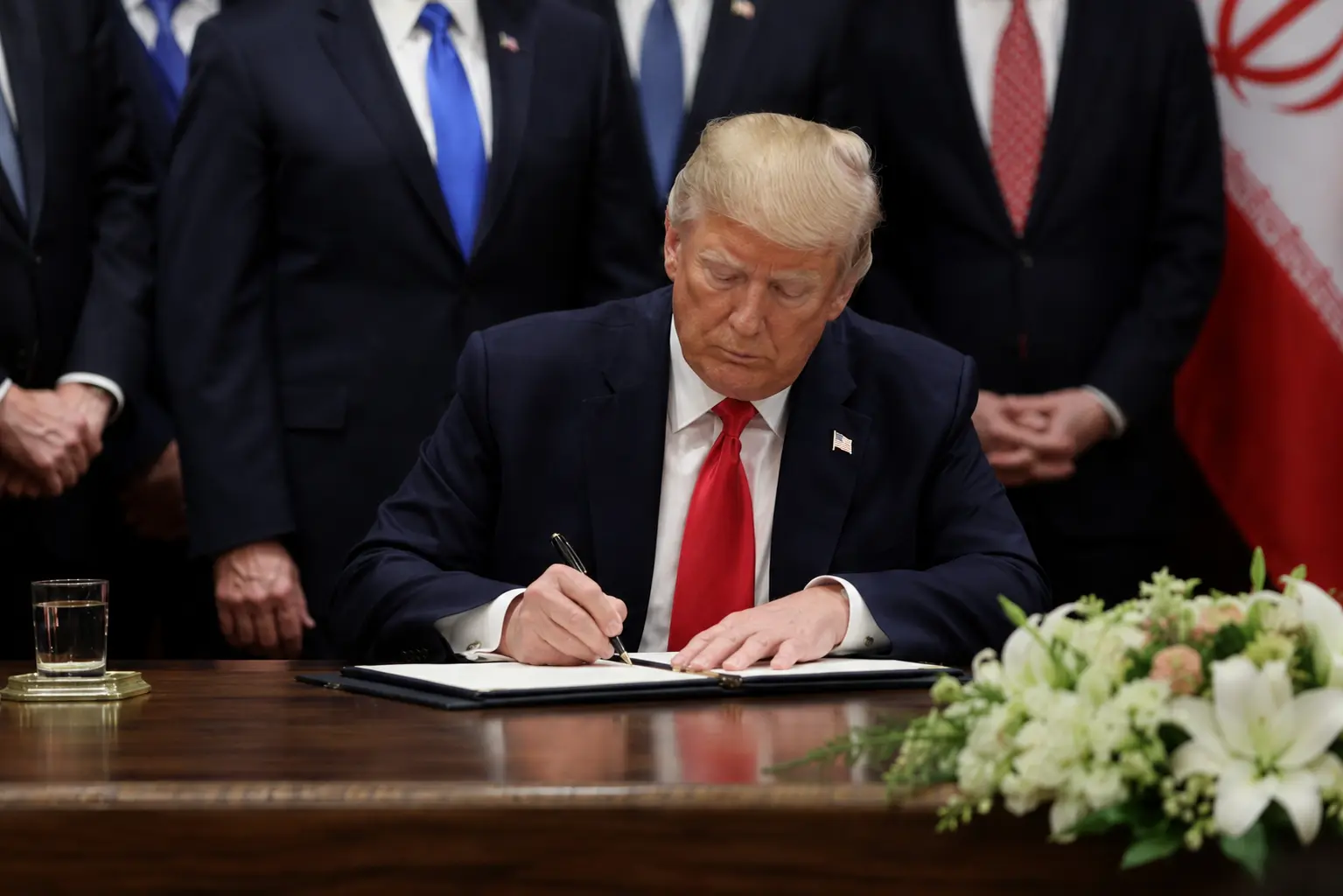
The ceasefire announcement comes as broader diplomatic discussions involving Iran have been postponed. Officials involved in regional mediation efforts cited the need for additional consultations before negotiations can continue.
The delay highlights the complexity of Middle East diplomacy, where developments involving Israel, Lebanon, Hezbollah, and Iran are often interconnected. Regional powers and international mediators continue to seek mechanisms that could reduce tensions and prevent future military confrontations.
Diplomatic observers note that while localized ceasefires can provide temporary relief, broader political agreements remain necessary to address underlying security concerns.
Humanitarian and Security Concerns
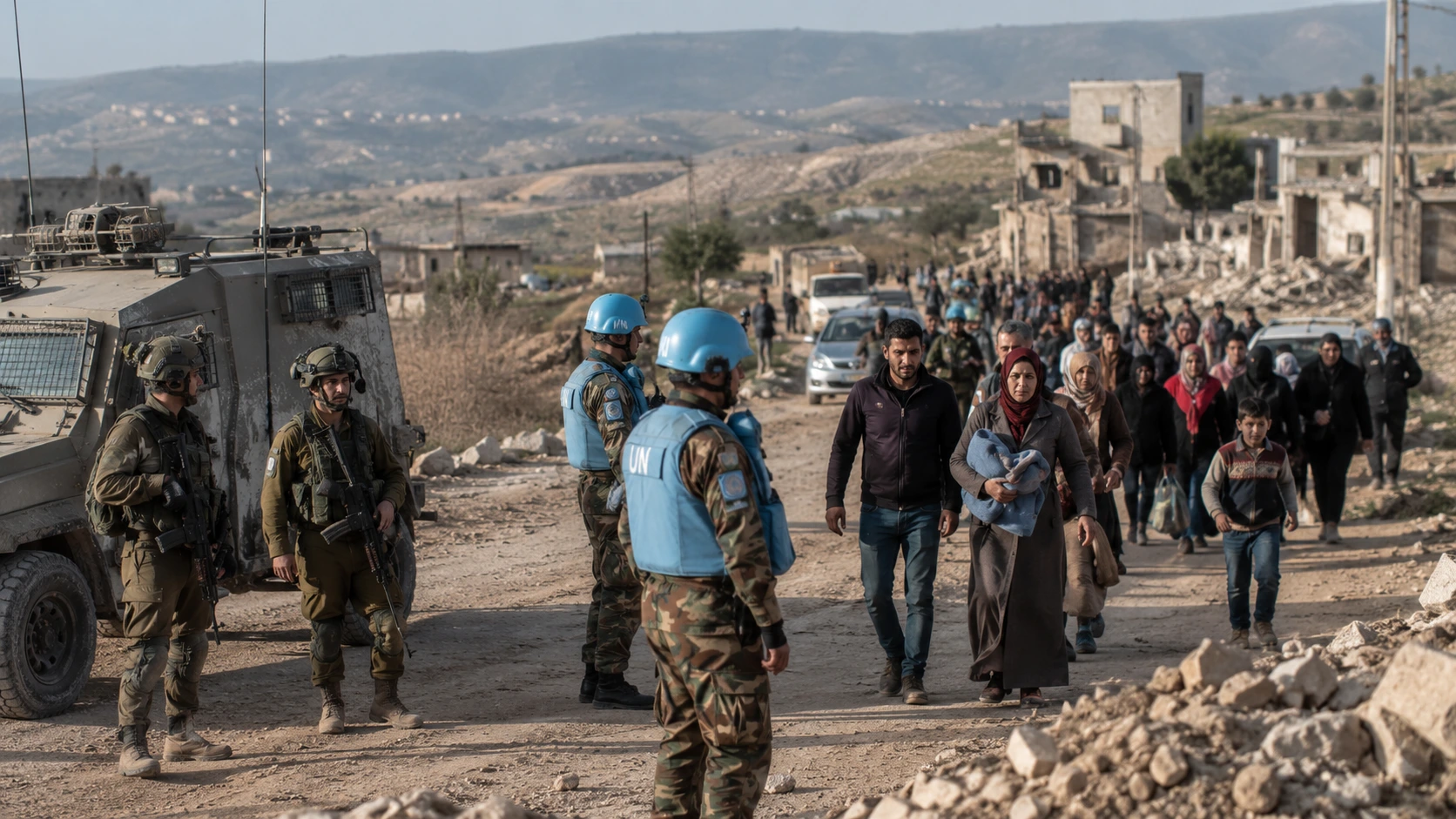
Communities on both sides of the border have experienced repeated disruptions due to ongoing hostilities. Residents have faced evacuations, infrastructure damage, and economic uncertainty as security conditions deteriorated.
Humanitarian organizations have repeatedly called for restraint, warning that continued fighting could worsen civilian suffering and strain already fragile local services.
Military analysts say the latest ceasefire could provide an opportunity for rebuilding damaged areas and restoring normal economic activity, particularly in communities heavily affected by cross-border exchanges of fire.
Why the Development Matters
The Israel-Lebanon border remains one of the most closely watched security zones in the Middle East. Any escalation between Israel and Hezbollah carries the potential to draw in additional regional actors and complicate international diplomatic efforts.
The renewed ceasefire may help stabilize conditions in the short term, but experts caution that lasting peace will require sustained diplomatic engagement, confidence-building measures, and broader regional dialogue.
Outlook
For now, attention will focus on whether both parties adhere to the ceasefire and whether postponed diplomatic talks involving Iran can resume in the coming weeks. Regional governments, international organizations, and mediators are expected to continue pushing for de-escalation and a more durable framework for stability.
While the immediate violence has subsided, the situation remains fluid, and developments on the ground will likely determine whether the ceasefire evolves into a longer-lasting peace effort.
Disclaimer
Vetopost independently produces original news coverage based on publicly available information, official statements, and credible reporting. This article is intended for informational purposes only. While every effort is made to ensure accuracy, developments may change as new information emerges. Readers are encouraged to refer to official sources for the latest updates.