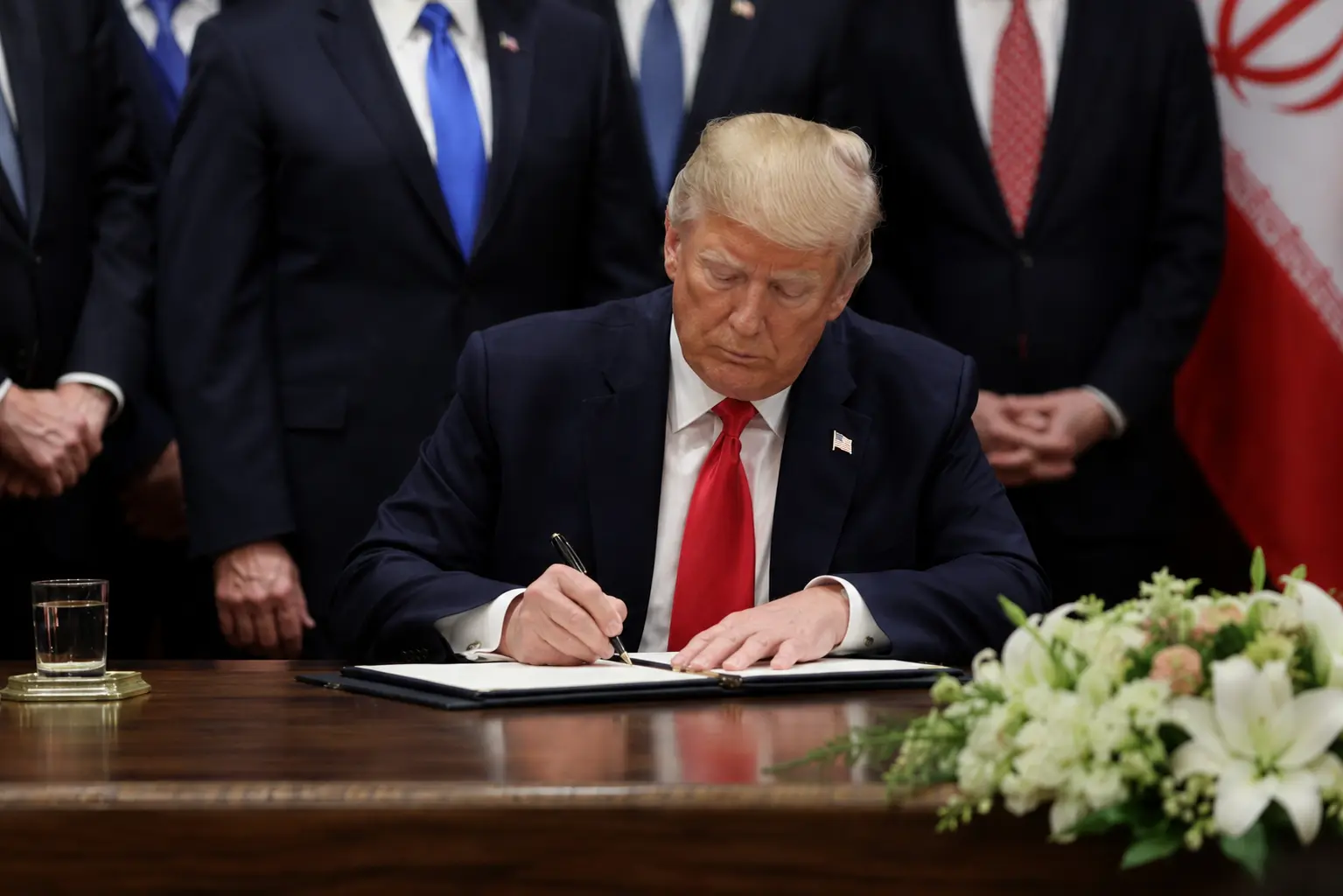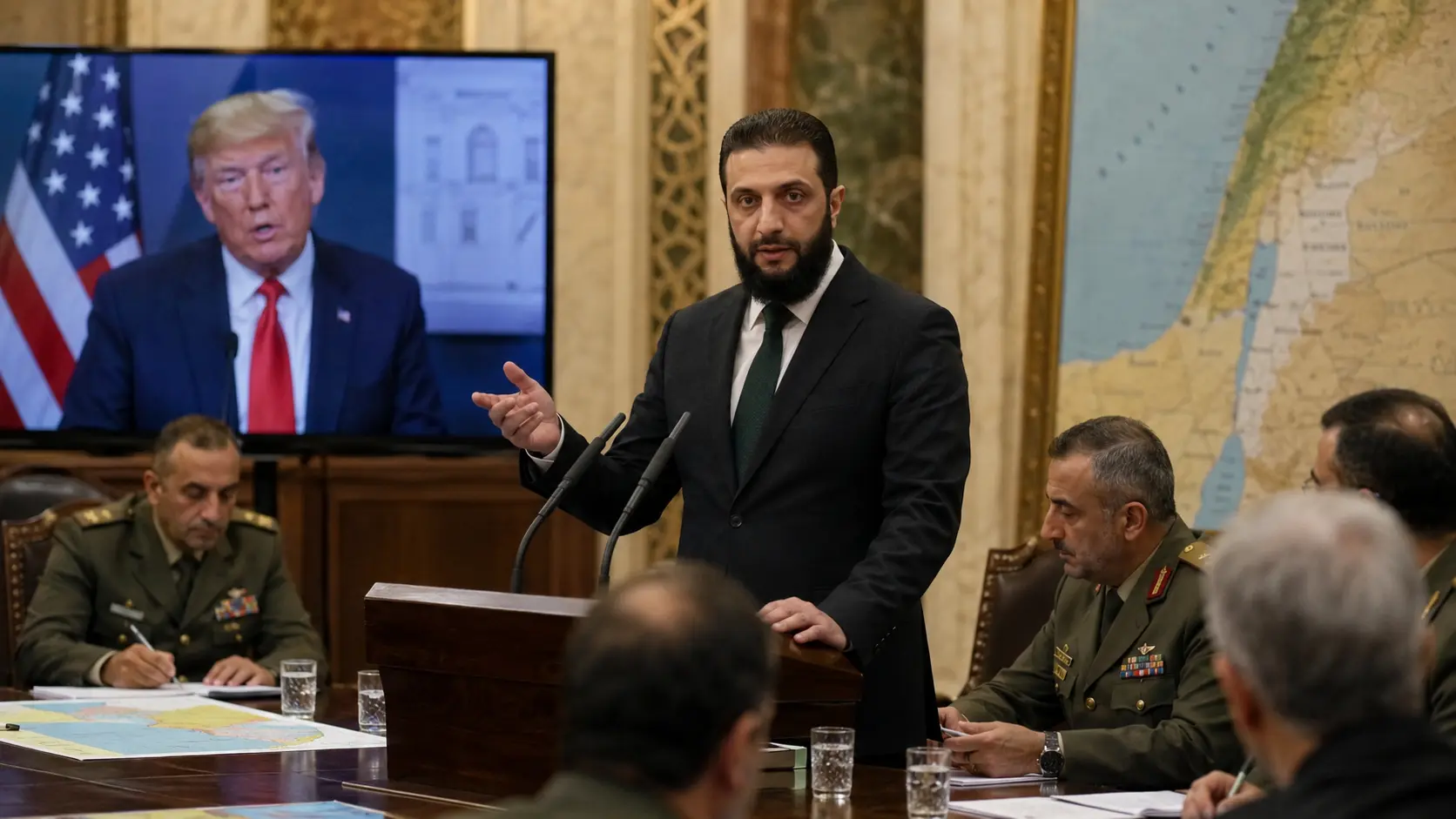
President Donald Trump's latest remarks suggesting that Syria should take responsibility for confronting Hezbollah have generated fresh concern across the Middle East, with officials and analysts warning that any expansion of Syria's military role could further destabilize an already fragile region.
The comments come at a sensitive moment as diplomatic efforts continue to reduce tensions between Israel, Lebanon, and Iran-backed groups operating across the region. While Trump argued that Syria could be better positioned to address Hezbollah's presence, Damascus quickly signaled that it has no intention of becoming militarily involved in neighboring Lebanon. Recent statements from Syrian President Ahmed al-Sharaa emphasized reconstruction, stability, and regional cooperation rather than opening another military front. Public reporting also indicates that Syrian officials remain focused on rebuilding after years of conflict. Fact-based reporting from multiple international news organizations supports that Damascus has rejected calls for intervention.
Syria Distances Itself
Syrian officials reiterated that the country's priority remains economic recovery and restoring domestic stability after years of civil war. Government representatives stressed that military intervention in Lebanon would risk reigniting broader regional tensions and undermine ongoing reconstruction efforts.
Analysts note that Syria's leadership has carefully avoided direct involvement in recent cross-border confrontations, preferring diplomatic engagement over military escalation.
Lebanon and Israel Watch Closely
Trump's proposal has also raised concerns in both Lebanon and Israel.
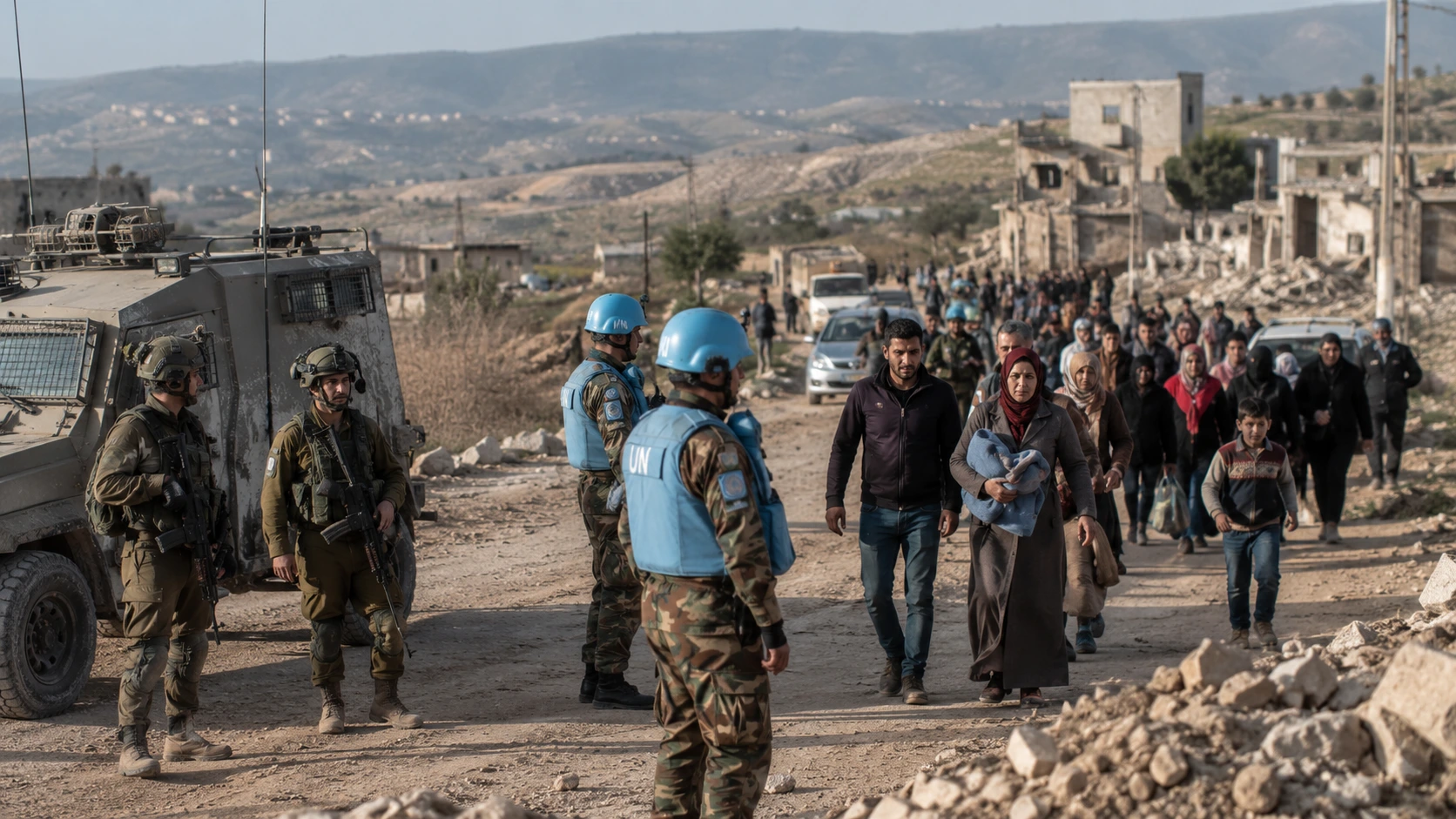
In Lebanon, political observers warn that any perception of Syrian military involvement could revive painful historical memories of Syria's previous military presence in the country while adding new uncertainty to Lebanon's already complex security environment.
Israeli officials continue to closely monitor developments along their northern border as Hezbollah remains one of Israel's primary security concerns. Security experts caution that introducing additional regional actors could complicate existing diplomatic initiatives aimed at reducing violence.
Why the Story Matters
The proposal arrives as international mediators continue working to prevent further escalation between Israel and Hezbollah. Governments including the United States remain engaged in diplomatic efforts designed to strengthen regional stability and reduce the risk of wider conflict.
Foreign policy experts generally argue that lasting security will likely depend on political agreements, stronger state institutions, and sustained diplomatic engagement rather than expanding military involvement by neighboring countries.
Outlook
For now, Syria appears determined to avoid direct military engagement in Lebanon despite Trump's public suggestion. Whether the proposal gains diplomatic traction remains uncertain, but regional governments are expected to continue prioritizing dialogue while monitoring security developments closely.
With tensions across the Middle East still elevated, policymakers are expected to focus on preventing additional flashpoints that could threaten broader regional stability.
Disclaimer
Vetopost independently produces original news coverage based on publicly available information, official statements, and credible reporting. This article is intended for informational purposes only. While every effort is made to ensure accuracy, developments may change as new information emerges. Readers are encouraged to refer to official sources for the latest updates.