







Artemis II Splashdown: How the Moon Mission Heralds a New Era in Human Space Travel
The Artemis II splashdown marks a defining moment for NASA, as the agency inches closer to returning humans to the Moon after more than five decades. With the safe return of the crewed Orion spacecraft, the mission not only validates critical systems but also signals the beginning of a new chapter in deep space exploration.
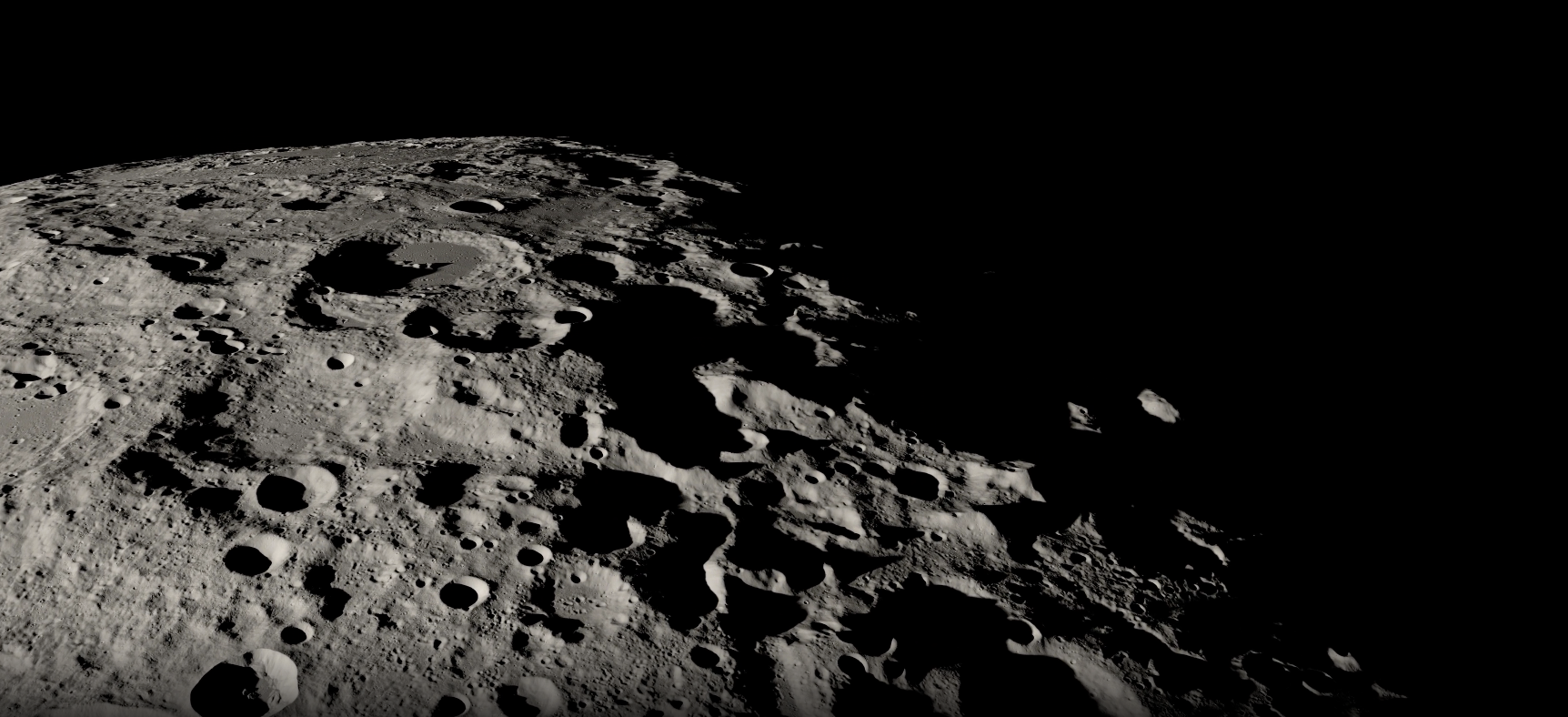
Unlike test flights of the past, Artemis II carried astronauts around the Moon and back, proving that modern spacecraft can safely transport humans beyond low-Earth orbit something not achieved since the era of Apollo program.
An Artemis II Mission with the Power to Rewrite the Script
It is not enough to go to the moon – Artemis II demonstrated that the entire voyage can be made successfully from liftoff atop NASA’s powerful new rocket, the SLS, to the hypersonic reentry into Earth’s atmosphere and splashdown in the Pacific Ocean.
Orion experienced extremely high temperatures of nearly 2,800°C during reentry, after which its parachutes opened and allowed for a safe landing in the water where recovery crews secured the spacecraft and aided the astronauts aboard.
While this mission drew upon the lessons learned through Artemis I, an uncrewed test mission, it was also far more complex due to the astronauts involved.
Why Artemis II Matters for the Future
The success of Artemis II lays the groundwork for Artemis III, which aims to land astronauts on the lunar surface in the coming years. It also reinforces the long-term goal of establishing a sustainable human presence on and around the Moon.
More importantly, Artemis II represents a shift in how space exploration is approached today through international collaboration, commercial partnerships, and long-term planning rather than short-term race dynamics.
For countries like India, watching developments from missions led by agencies such as ISRO, the Artemis program offers both inspiration and a roadmap for future deep-space ambitions.
Beyond the Moon: The Journey to Mars
The journey to the Moon may be close at hand but is also just one step on the path toward an even grander objective: traveling to Mars. All the technologies involved — life-support systems, navigation techniques, and protection from radiation exposure — are tools to make this happen.
A successful trip will provide much-needed reassurance about the challenges of longer missions through the solar system and set us on course for even greater achievements.
An Event Resonating through the Ages
This event is more than just a technical accomplishment; it is also a symbolic moment representing the resumption of exploration by humans beyond our planet’s orbit. This generation has had no experience in the realm of space exploration since the Apollo program ended many years ago.
When the Orion spacecraft was hoisted out of the water, it was not merely carrying astronauts, but an entire new phase of human exploration into space.
Disclaimer
This article is based on publicly available information from space agencies and global media reports. Mission details may evolve as official updates are released.