










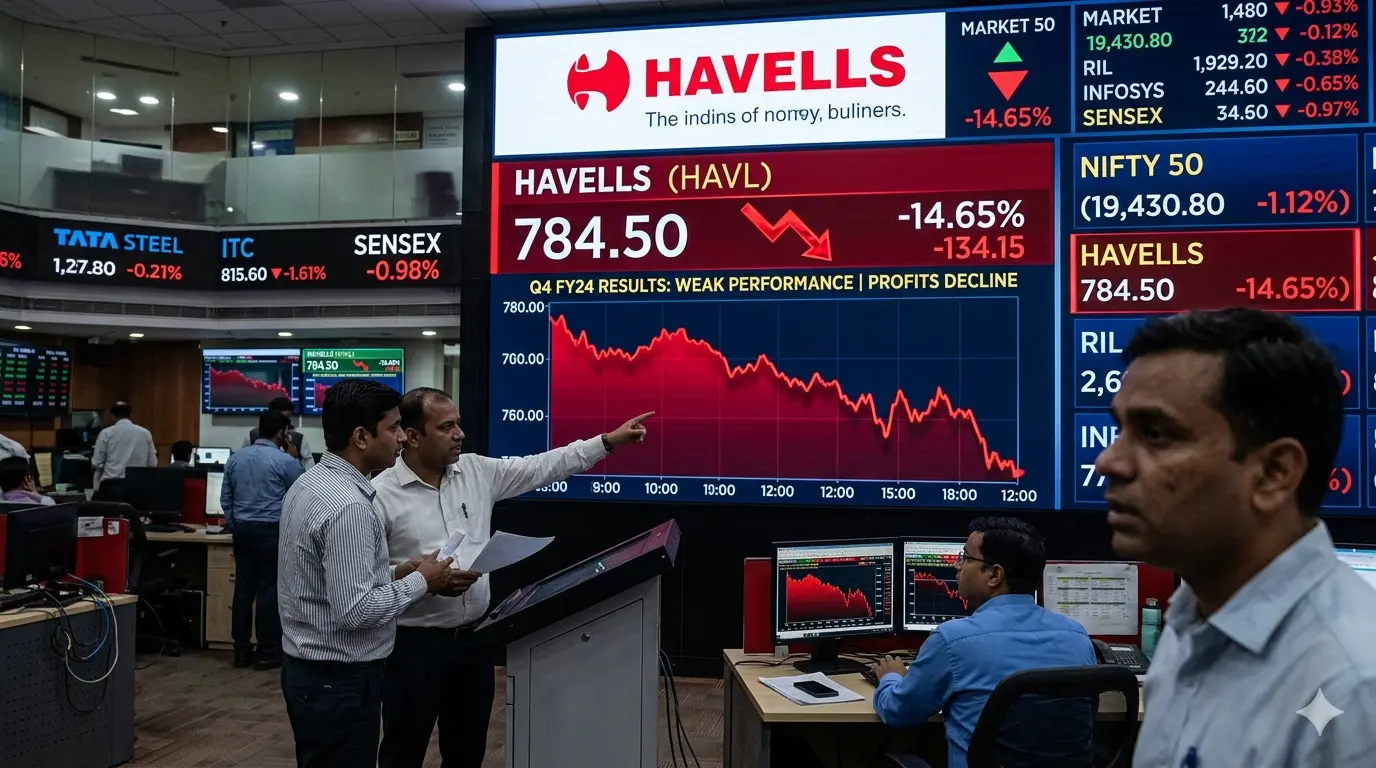
Benchmark equity index in India recorded a sharp sell-off on Monday as Sensex crashes 2000 points on crude oil prices surging amid conflict in the Middle East. The sharp rise in crude oil prices across the globe, which has now touched an all-time high of over $115 per barrel, is fueling concerns about rising inflation and growth slowdown in oil-importing nations such as India.
The Indian market recorded a sharp sell-off across banking stocks, automobile stocks, aviation stocks, and metal stocks. Analysts have stated that the geopolitical tensions in the Middle East are affecting investors globally and are impacting crude oil prices and risk sentiments negatively.
In the first half of the day itself, the BSE Sensex plunged by over 2,000 points. The Nifty 50 also recorded a sharp fall.
Rising Oil Prices Trigger Market Panic
Global oil prices have risen as tensions in the Middle East have escalated. This has led to the potential for supply disruption. The benchmark Brent Crude Oil has risen above the $115 per barrel mark, which is the highest in months.
The effect of this on the Indian economy, which imports almost 85% of the crude oil that it needs, is significant.
The effect of high oil prices:
Increases in the rate of inflation due to the high cost of transportation and production
Negative effect on the Indian rupee
Negative effect on corporate profit margins
Increases the burden of subsidies
According to market strategists, the effect of high oil prices has been the volatility in emerging markets. India is particularly susceptible because of the high energy import costs.
Stocks in aviation, paints, logistics, and chemicals have been hit hard because of the high dependence on petroleum products.
Banking and Auto Stocks Lead the Sell-Off
Financial and automobile stocks have been the worst-hit during this rout.
Lenders such as HDFC Bank and ICICI Bank have lost significantly as the rise in inflationary pressures may delay the possibility of interest rate cuts.
Automakers like Maruti Suzuki and Tata Motors have also faced significant selling pressure. A rise in fuel prices is expected to affect the demand for automobiles.
Energy stocks have been the relatively better-performing sector. State-owned energy behemoth Oil and Natural Gas Corporation has made slight gains as higher crude prices are positive for the company.
Aviation stocks have lost significantly as the prices of jet fuel tend to move in line with the prices of crude oil.
Global Markets React to Middle East Tensions
Indian equities were not alone in reacting to the geopolitical shock. Global markets also showed signs of stress as investors reassessed risks.
Asian markets traded lower, and European futures signaled weak openings as traders tracked developments in the Middle East conflict.
Analysts say the market reaction reflects concerns about possible disruptions in global oil supply routes, especially around strategic shipping corridors such as the Strait of Hormuz, through which a large share of the world’s crude oil passes.
Any prolonged instability in the region could keep oil prices elevated for weeks or even months.
Disclaimer:
This article is based on publicly available information from financial market data and reputable global news sources. Market movements and geopolitical developments may evolve, and readers should refer to official financial updates and professional advisors before making investment decisions.



One thought on “Sensex Falls 2,000 Points as Oil Surges Above $115”