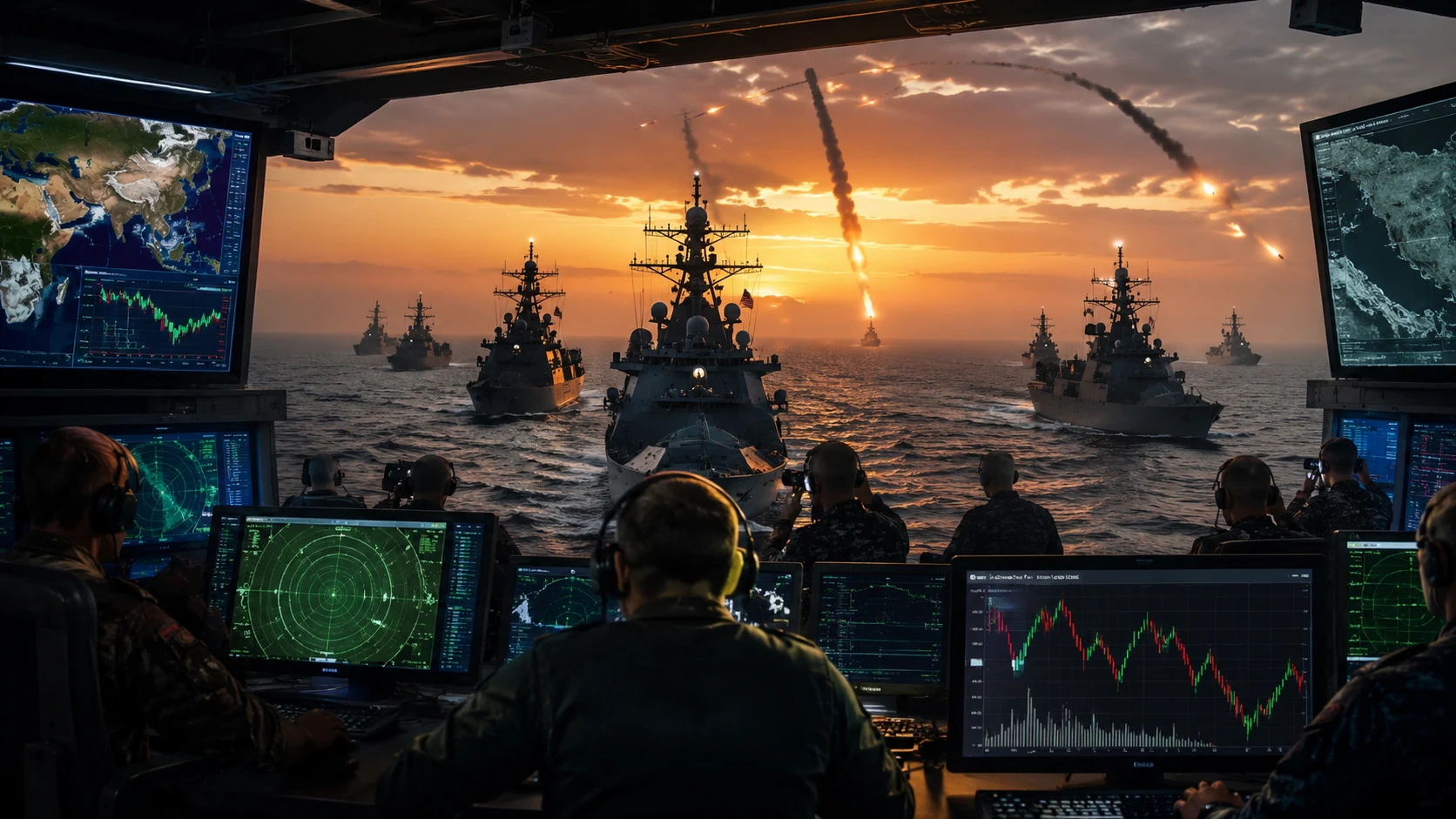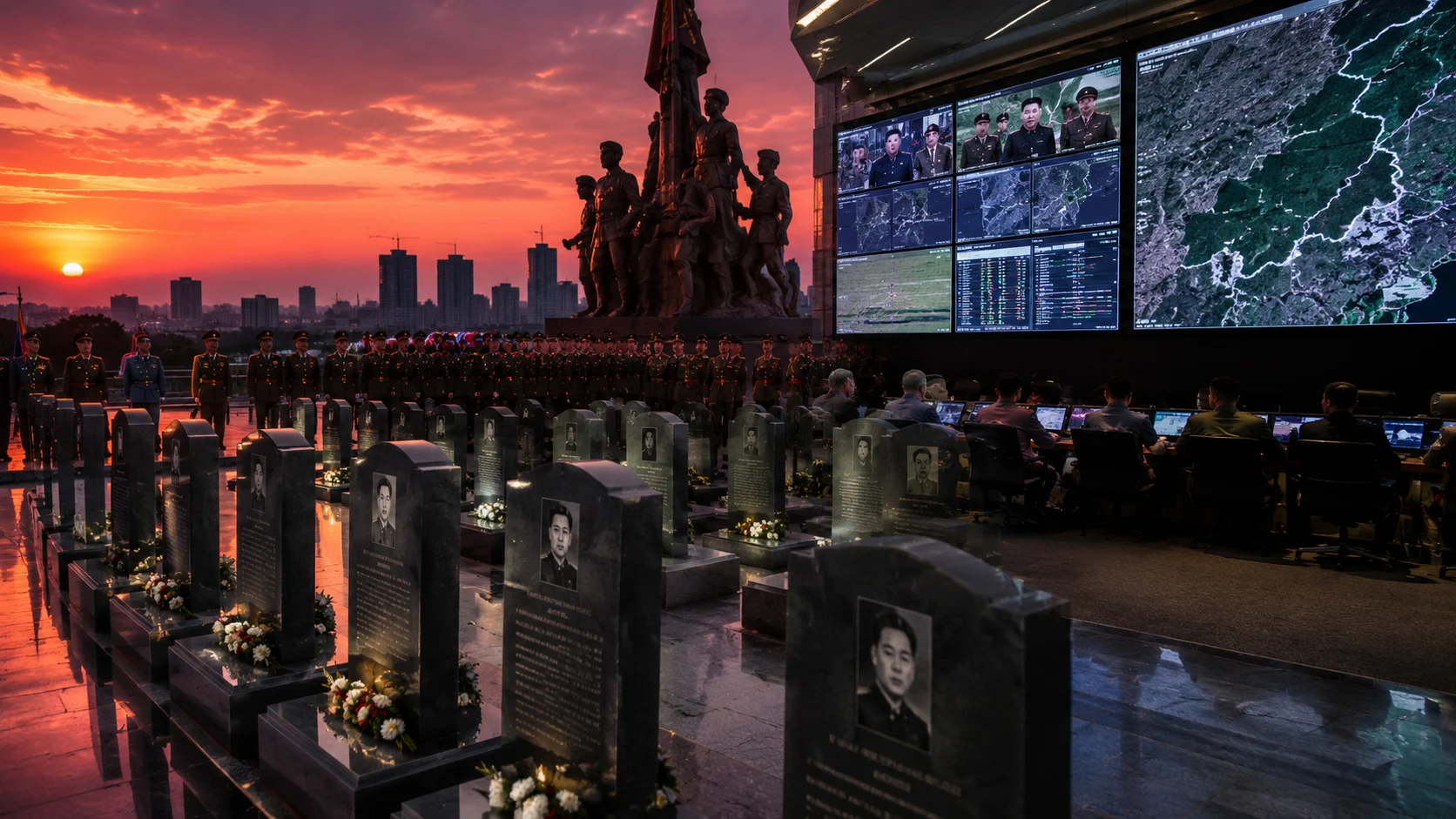




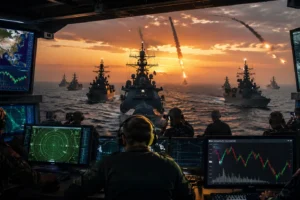




Iran Guards complete control of Hormuz Strait live updates are trending globally today after Iran’s Islamic Revolutionary Guard Corps declared that they have “complete control” of the strategically vital waterway. This comes at a time of heightened tensions between Iran, the US, and Israel.
The Strait of Hormuz, which connects Iran and Oman, is a narrow waterway through which almost one-fifth of the world’s oil supply flows. Any perceived threat, real or imagined, has global consequences.
Iranian state media reported quotes from senior officials of the Islamic Revolutionary Guard Corps, saying they have completely positioned naval forces and missiles on the shoreline.
Gulf States React as Tensions Rise
Following Iranian strikes earlier this week, Gulf governments are now assessing diplomatic and security options. Officials in Saudi Arabia and the United Arab Emirates have raised concerns over regional stability.
In a joint diplomatic message, regional representatives warned that “all red lines have been crossed,” reflecting growing anxiety over maritime security. However, no formal military escalation has been publicly announced.
Shipping insurers have reportedly adjusted risk assessments for vessels transiting Gulf waters. Analysts cited in Reuters Middle East Coverage. noted that even temporary tension can drive price volatility.
Why the Strait of Hormuz Matters
The Strait of Hormuz remains one of the world’s most critical energy chokepoints. Approximately 17–20 million barrels of oil pass through it daily, connecting Gulf producers to global markets.
Military experts stress that “control” does not necessarily mean closure. It may indicate expanded patrols, drone surveillance, radar monitoring, and positioning of anti-ship systems.
The United States Navy continues routine operations in regional waters. The Pentagon said it is “closely monitoring” developments, according to statements reported by BBC News Middle East.
Oil prices initially spiked in Asian trading before stabilizing when no confirmed blockade occurred.
US and Israel Monitoring Developments
Israel officials reiterated their stance that threats to national security would be addressed if need be, but did not comment extensively on the movements at sea.
The United States Department of Defense confirmed surveillance activities are ongoing but did not indicate any escalation is in the works.
European diplomatic efforts are said to be working to calm the situation in Iran.
What Happens Next?
There are several scenarios currently being discussed by regional analysts:
Symbolic Control: Iran may increase patrols in the area without blocking the vessels.
Limited Maritime Incidents: Limited incidents may happen, especially those involving commercial vessels.
International Naval Coalition Response: Western and Gulf navies may increase their joint patrols.
Diplomatic Cooling-Off Period: Back channel negotiations may help calm the situation.
However, the situation will depend on whether or not the vessels transit the area without incident in the next few days.
Disclaimer
This article is based on publicly available information from reputable international media outlets and official statements. Developments are ongoing, and details may evolve as additional verified information becomes available.