



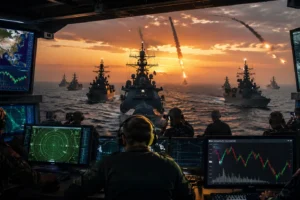




Gulf states’ response to Iranian missile strikes 2026
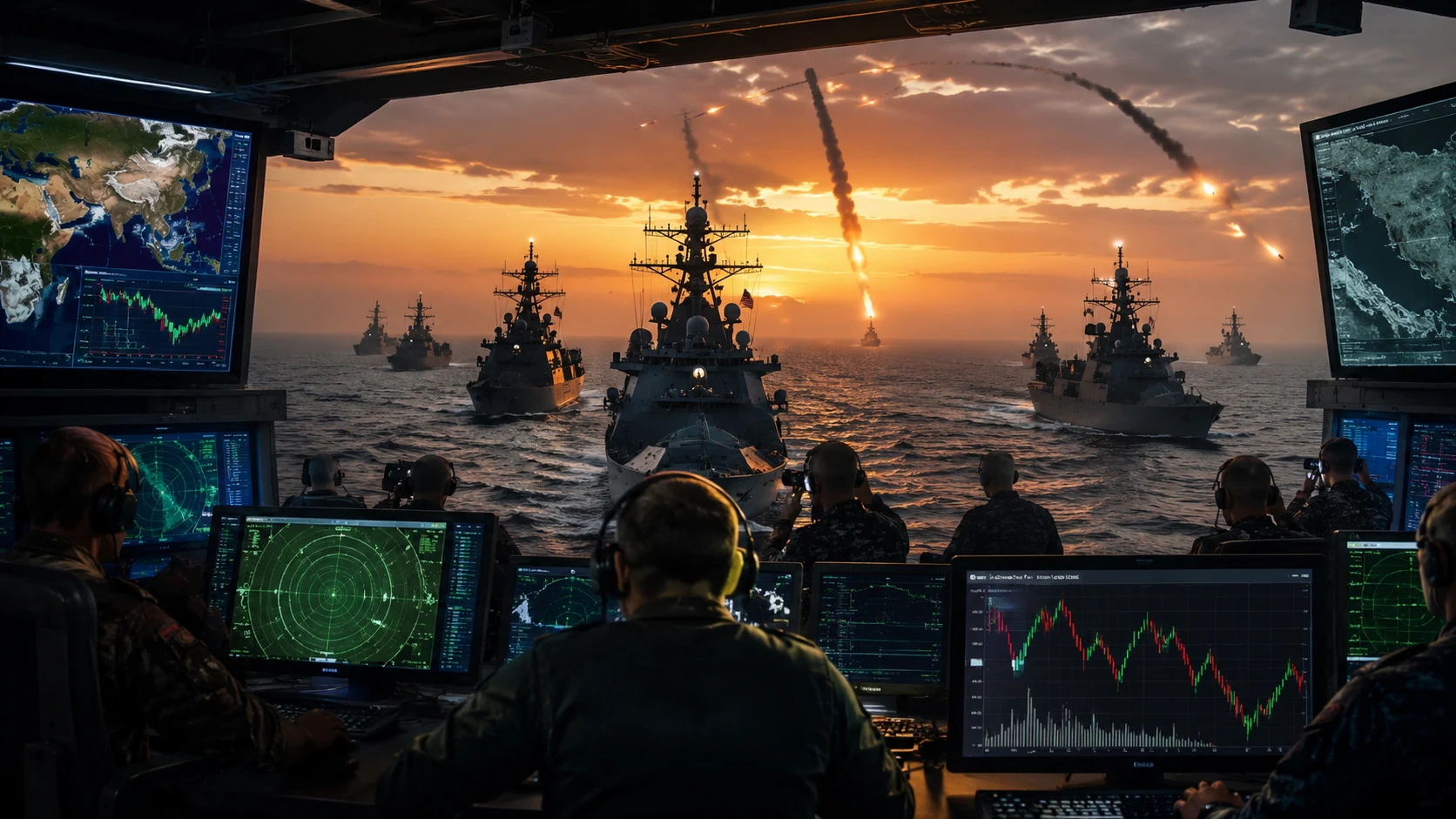
The response to the Iranian missile strikes in the Gulf states in 2026 is in its critical stage as officials have said that “all red lines have been crossed.” The unprecedented use of the phrase indicates that Gulf states have become alarmed by reported Iranian missile strikes targeting strategic and security-sensitive areas.
There have been deliberations by officials from various Gulf state capitals regarding a potential appeal to the international community. Although there have been no announcements of a military response to Iran, the rhetoric used in recent times indicates a change in the stance of the Gulf states.
There have been fears that the situation may lead to a wider Gulf conflict at a time when energy markets and maritime routes are sensitive to regional instability.
Rising Diplomatic Pressure Across Gulf Capitals
Governments across the Gulf Cooperation Council (GCC) have issued firm condemnations, describing the strikes as destabilizing and unacceptable.
Some foreign ministries have summoned Iranian envoys. Others are reportedly coordinating emergency consultations behind closed doors. While public statements remain measured, officials privately acknowledge that patience is thinning.
Regional analysts say the phrase “all red lines crossed” is significant. It suggests that Gulf states may now pursue more coordinated collective action rather than isolated diplomatic responses.
For broader regional developments, readers can follow ongoing Middle East coverage from
Reuters Middle East coverage and BBC News Middle East
Security and Energy Concerns Intensify
The Gulf region is at the center of global energy supply routes. When there is an escalation of tensions involving Gulf Cooperation Council nations and Iran, there are concerns regarding oil exports.
Security experts have noted that there are likely concerns regarding the readiness of Gulf nations regarding missile defense, intelligence gathering, and naval coordination. However, military posturing does not necessarily translate into retaliatory action. Some leaders have emphasized the need to avoid war.
At the same time, there is less tolerance in public opinion regarding provocations. Social media and televised opinions have demonstrated frustration regarding the repeated cycle of escalation.
Regional Balancing and International Stakes
The Gulf states’ response is not unfolding in isolation. The United States maintains a military presence across several Gulf countries, and European partners are closely monitoring developments.
A senior Gulf official, speaking anonymously, described the situation as “a test of regional credibility.” According to diplomatic observers, Gulf governments are calculating how to respond firmly without triggering uncontrollable consequences.
Iran, for its part, has defended its actions as legitimate or retaliatory, depending on the framing of events. Tehran has historically warned Gulf states against aligning too closely with Western military strategies.
The balancing act is delicate. A restrained response could be seen as weakness, while a forceful one risks escalation.
Strategic Implications for the Region
The Gulf States’ Response to Iranian Missile Strikes 2026 may shape the security landscape in the region for years to come.
A stronger collective posture may hasten defense integration among GCC countries.
However, miscalculations may deepen divisions in the region.
Stability is the top priority for smaller Gulf countries. These countries’ economic diversification and infrastructure development plans are security-dependent.
Disclaimer: This article is based on publicly available information from reputable international news agencies and official regional statements. Developments remain fluid and subject to change as new verified information emerges.
The coming days will reveal whether this will be a defining moment or just another chapter in the ongoing saga in the region.