




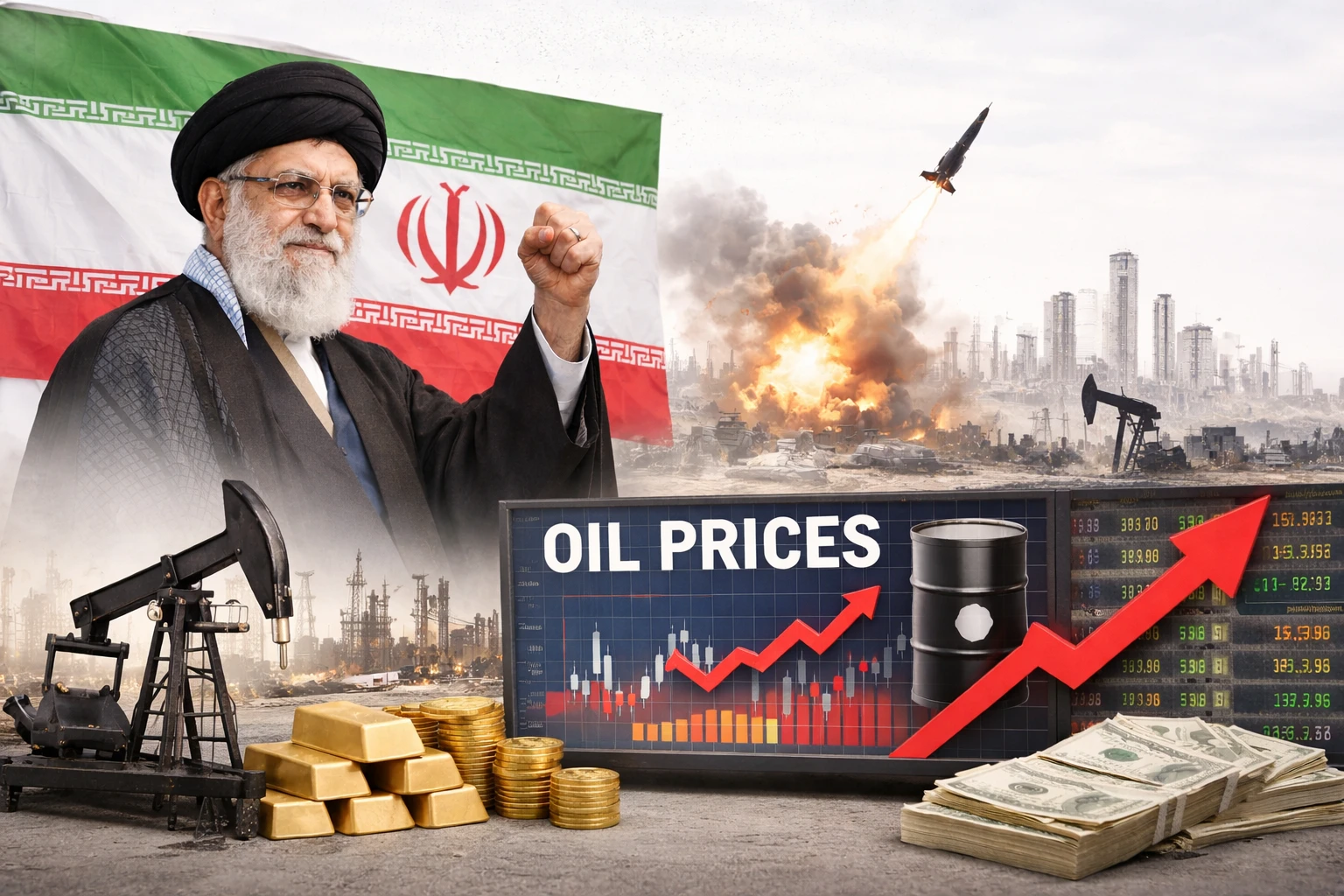
Iran Leadership Signals Defiance During War Market Turmoil
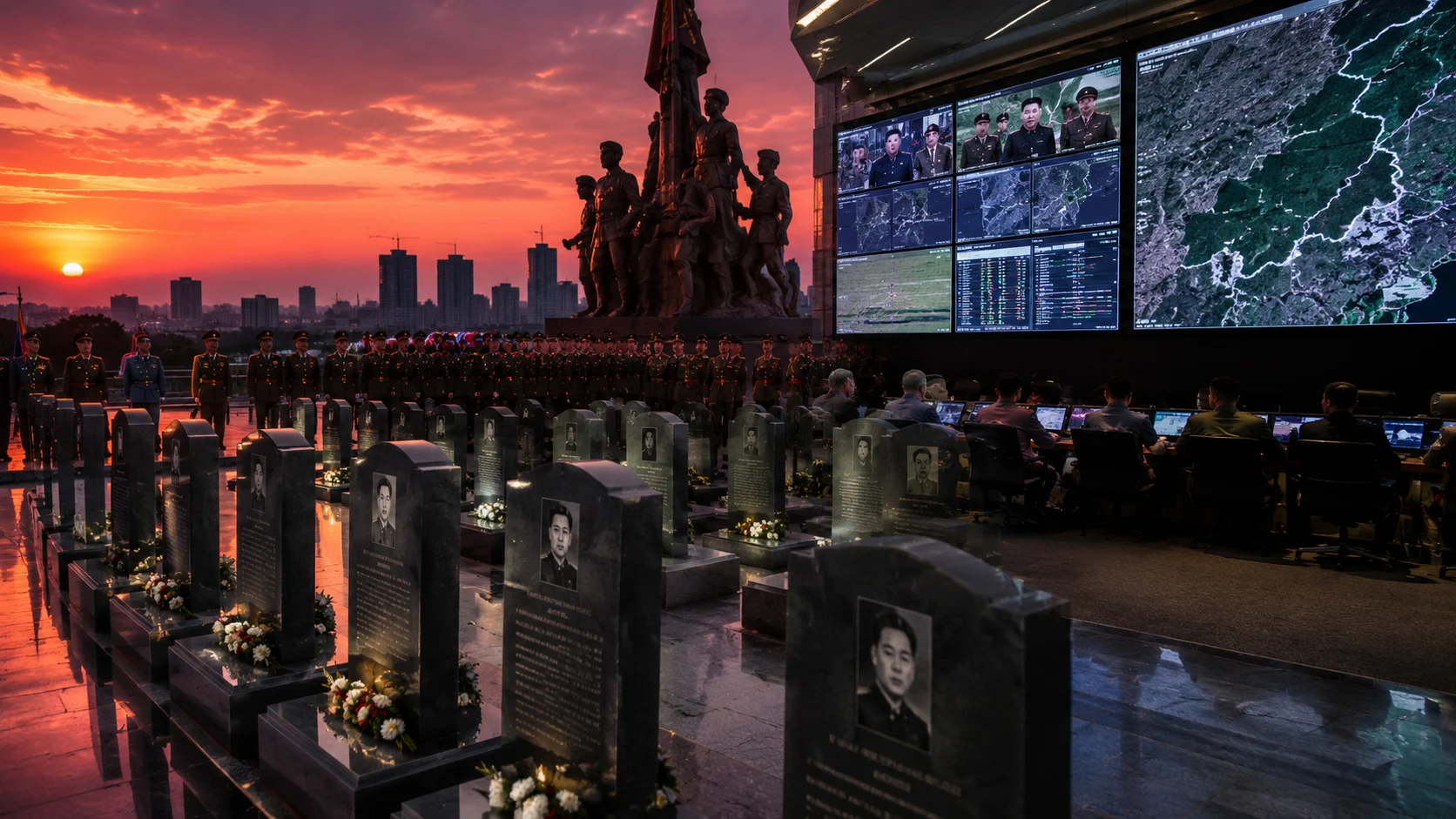
As tensions in the Middle East continue to rise, Iran’s leadership sends a defiant message in war market volatility with a political move analysts believe is a sign of consolidation, as well as a strategic move against its adversaries.
This latest move by Iran’s leadership comes at a time when fears of war in the Middle East are already affecting financial markets. Oil prices have soared, investors are flocking to safe havens, and governments across the globe are keeping a keen eye on Iran.
Though Iran’s internal politics change slowly, the latest move by its leadership has added another layer of uncertainty to an already volatile region.
Why Iran’s Leadership Choice Matters Now
Iran’s government has a system in place that combines politicians with religious leaders, making it an interesting situation.
Apparently, the latest leadership signal sent out by Iran is intended to portray stability at home while at the same time refusing to give in to pressures from external forces. This is particularly true at a time when the country is under sanctions, has tensions in the region, and faces military threats.
In the midst of all this, it is interesting to note that Iran has announced its latest move at a time when the Middle East is experiencing one of the most volatile moments in recent years. As a result of the conflict fears that have been ongoing in the region, oil prices have risen, and stock exchanges across the world are being affected.
It is interesting to note that Iran is an important country in the region because it is close to the Strait of Hormuz, an important oil route. It is imperative to note that even if there is an escalation in the region, oil prices can easily soar.
War Fears Continue to Shake Global Markets
The financial markets have reacted rapidly to the geopolitical events. Investors have been making adjustments in line with the growing possibility of a larger conflict in the region.
The energy markets have been the most visible. The price of crude oil has risen significantly in the past few days. This is in line with the possibility of a disruption in the supply of oil from the Middle East.
Equity markets in Asia and Europe have also been affected. Stocks related to the airline industry and shipping have experienced significant volatility in line with every new development.
The currency markets have reflected the safe-haven demand for the US dollar and gold.
This is a reflection of the way in which the geopolitical events in Iran have the potential to affect the global financial system within a matter of hours.
Domestic Message: Stability Amid Pressure
Domestically, the signal from the leadership may also be aimed at reinforcing political stability in the midst of an intense international focus.
The Iranian leadership has often sought opportunities in periods of external pressure to solidify domestic unity. The political messaging tends to center around issues of sovereignty and resistance to foreign influence.
In sending the signal of firmness in leadership in the midst of wartime uncertainty, Iran could be attempting to reassure the domestic population that the government is firmly in control.
From an outside perspective, the move underscores the complex interplay between domestic and foreign policy considerations in the Iranian decision-making calculus.
What Happens Next
There are a number of key developments that could influence the situation in the region in the coming weeks.
Firstly, it has to be noted that the response of the global markets to the situation would largely depend on the escalation of tensions in the region. The situation could result in a sharp increase in the price of oil, posing a significant economic risk to the global economy.
Secondly, it has to be noted that the situation has not been resolved, and diplomatic efforts may be undertaken to ease tensions and ensure that the situation does not escalate.
Lastly, it has to be noted that the political direction of Iran would continue to be of interest to investors. The political leadership of a country often sends a number of important signals to the global economy when it comes to issues of conflict.
It appears that the global markets would continue to be influenced by the situation in the region.
Disclaimer
This article is based on publicly available information from reputable international news sources, market data, and official statements. Developments related to geopolitical events may evolve rapidly.