


Doubts Among Iranians Who Supported War Begin to Surface
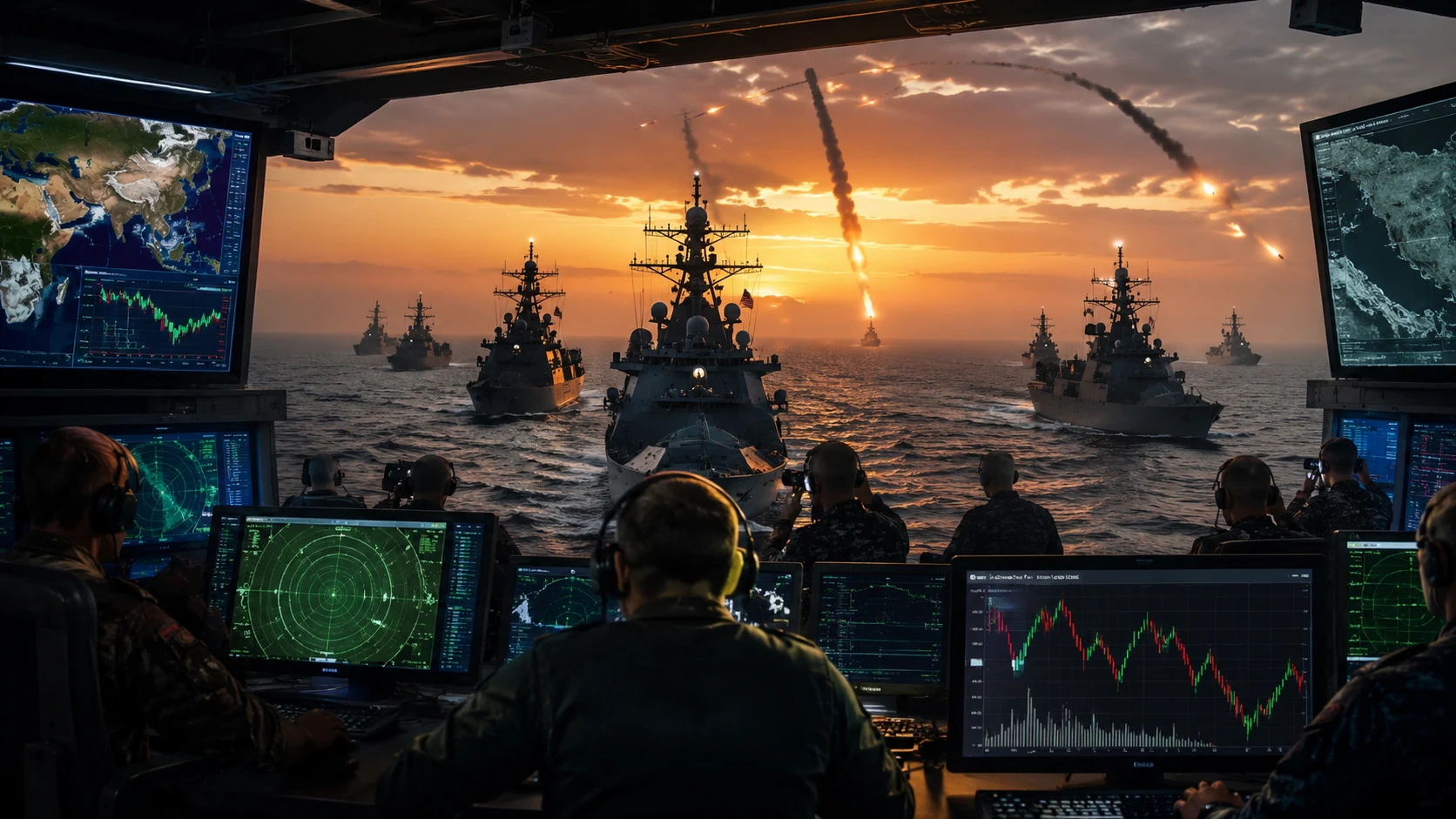
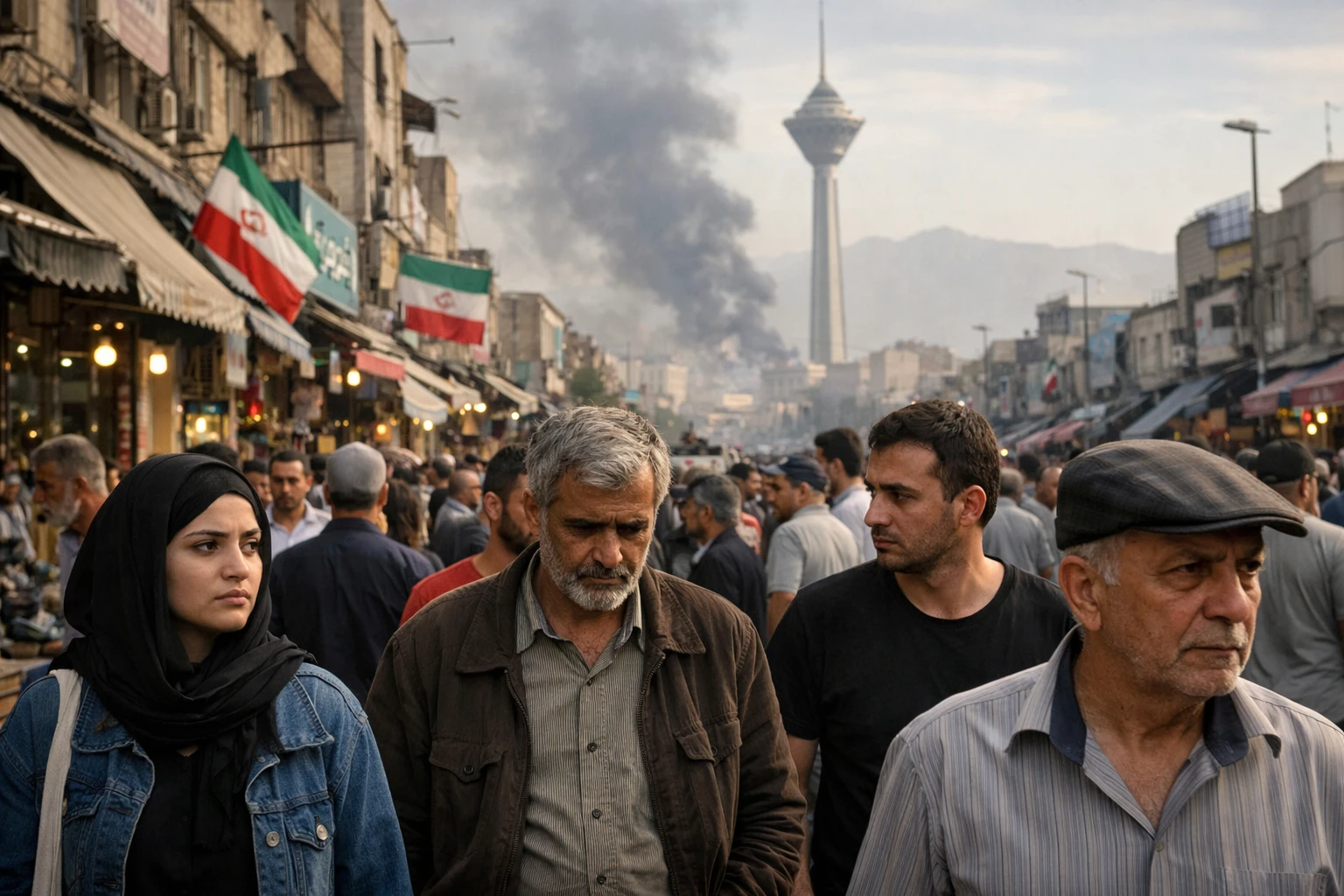
In recent weeks, however, concerns from Iranians who were in support of war have started to come to the surface, especially with the reality of the war becoming more and more apparent. Although the initial sentiment from some sections of the Iranian population was in support of action against geopolitical tensions, the people are now becoming increasingly worried about whether the war is worth the costs.
Some sections of the Iranian people, particularly in Tehran and other major cities, are becoming increasingly worried about the potential outcome, particularly in light of the fact that the country may be weakened rather than strengthened.
Why Early Support Is Turning Into Doubt
At first, it was all about patriotism and unity. This was expressed in rallies and official statements.
Yet, with time, the impact on people’s daily lives has started to become more and more evident.
The economy is increasingly being affected, partly because of sanctions and the impact on energy prices. Inflation has always been a major concern in Iran, and the current situation has made it even more difficult to predict and prepare.
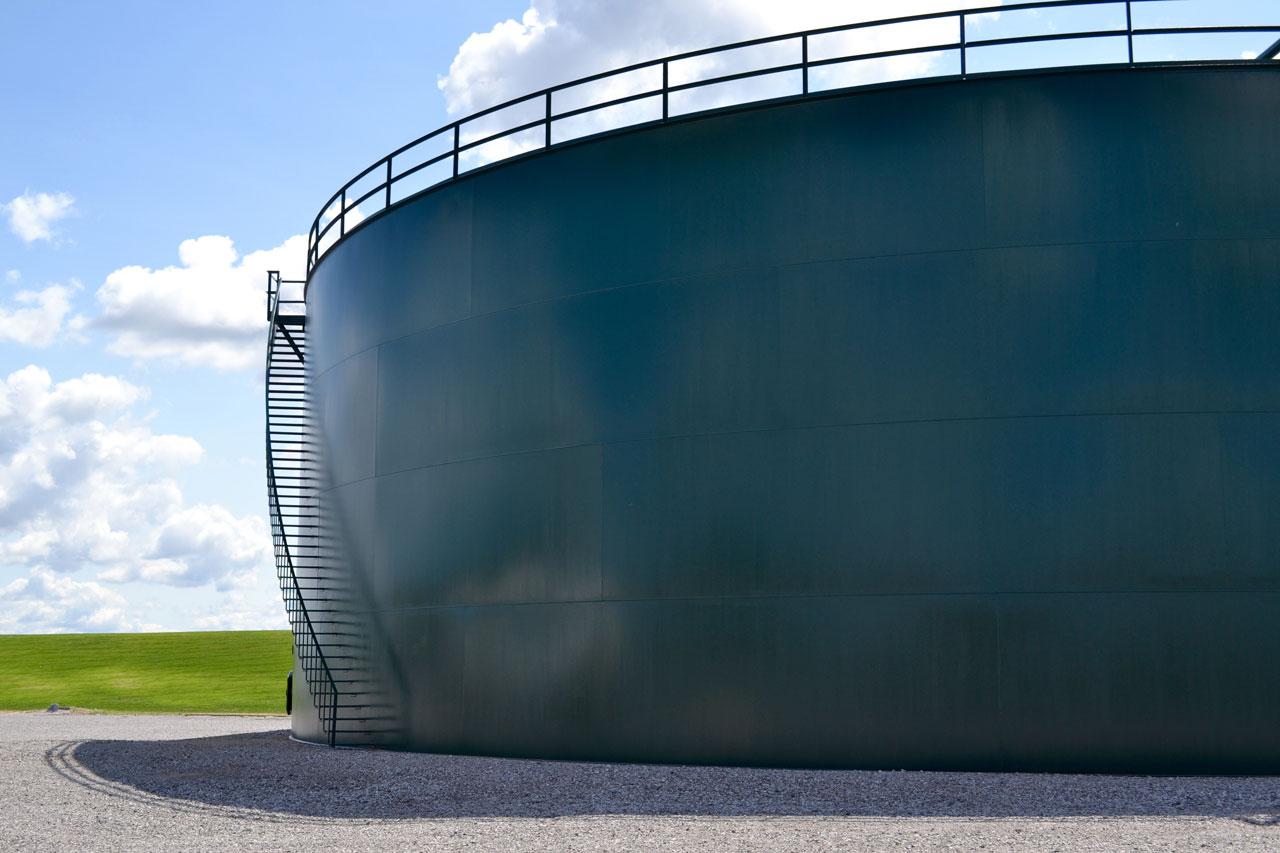
There have also been concerns about infrastructure. There have been reports that energy and industrial facilities have been targeted, and people are now wondering how soon they can be repaired and if there could be further strikes.
For ordinary citizens, there seems to be an emerging divide between expectations and reality.
According to an anonymous source, a student at one of the universities in Tehran, talking to local media, said, “At first, we thought it would be short and decisive. Now we’re asking what happens if it drags on.”
Daily Life Under the Shadow of Conflict
While the developments in the front lines are getting much of the international attention, the real impact is being felt silently.
Small business owners are reporting that there is less activity from customers as people are saving money due to the uncertain times.
Import restrictions and currency fluctuations have made some products less accessible and/or expensive.
Families are focusing on the availability of gasoline, electricity, and job security.
The people who initially supported the action are finding that the uncertainty is hard.
In the discussions that are being shared on the social networks of Iran, a common theme is that while people are supporting the national security, they are also wanting stability and economic recovery.
These two are not always easy to do.
The Iranian leadership appears to be maintaining its confidence and determination in the face of the ongoing conflict. There has been an emphasis on national resilience and the strategic nature of the conflict.
However, public opinion appears to be subject to change more quickly than the prevailing narratives.
Experts in political analysis have indicated that conflicts tend to begin with broad public support and ultimately lead to the development of mixed feelings about the war.
In the case of Iran, the main challenge might be how to maintain national unity while dealing with the emerging public concerns about the economic situation and the recovery of the national economy.
Experts have indicated that public opinion will be an important factor in the establishment of national stability in the coming weeks.
The prevailing media coverage of the situation by reputable international media houses such as the BBC and Reuters has indicated that public opinion is also concerned about the economic and social implications of the war:
The Iranian leadership appears to be maintaining its confidence and determination in the face of the ongoing conflict. There has been an emphasis on national resilience and the strategic nature of the conflict.
However, public opinion appears to be subject to change more quickly than the prevailing narratives.
Experts in political analysis have indicated that conflicts tend to begin with broad public support and ultimately lead to the development of mixed feelings about the war.
In the case of Iran, the main challenge might be how to maintain national unity while dealing with the emerging public concerns about the economic situation and the recovery of the national economy.
Experts have indicated that public opinion will be an important factor in the establishment of national stability in the coming weeks.
The prevailing media coverage of the situation by reputable international media houses such as the BBC and Reuters has indicated that public opinion is also concerned about the economic and social implications of the war
What Happens Next
There could be various situations that might affect the change in public sentiment in Iran.
Firstly, if the situation improves and negotiations begin, the public sentiment could change within no time. Economic growth and rebuilding of infrastructure could be the main concern of the government.
Secondly, if the situation becomes more critical and negotiations stall, the situation could become more confusing. Economic pressure and infrastructure could increase the confusion that is already being reflected among the public.
Thirdly, the diplomatic efforts of the international community could also play an important role in the military and political strategy of the situation.
The main concern of the public in Iran could be how soon the situation will return to normal.
Disclaimer:
This article is based on publicly available information from reputable international media reports, expert commentary, and open-source analysis at the time of writing. Developments in geopolitical conflicts can change rapidly.