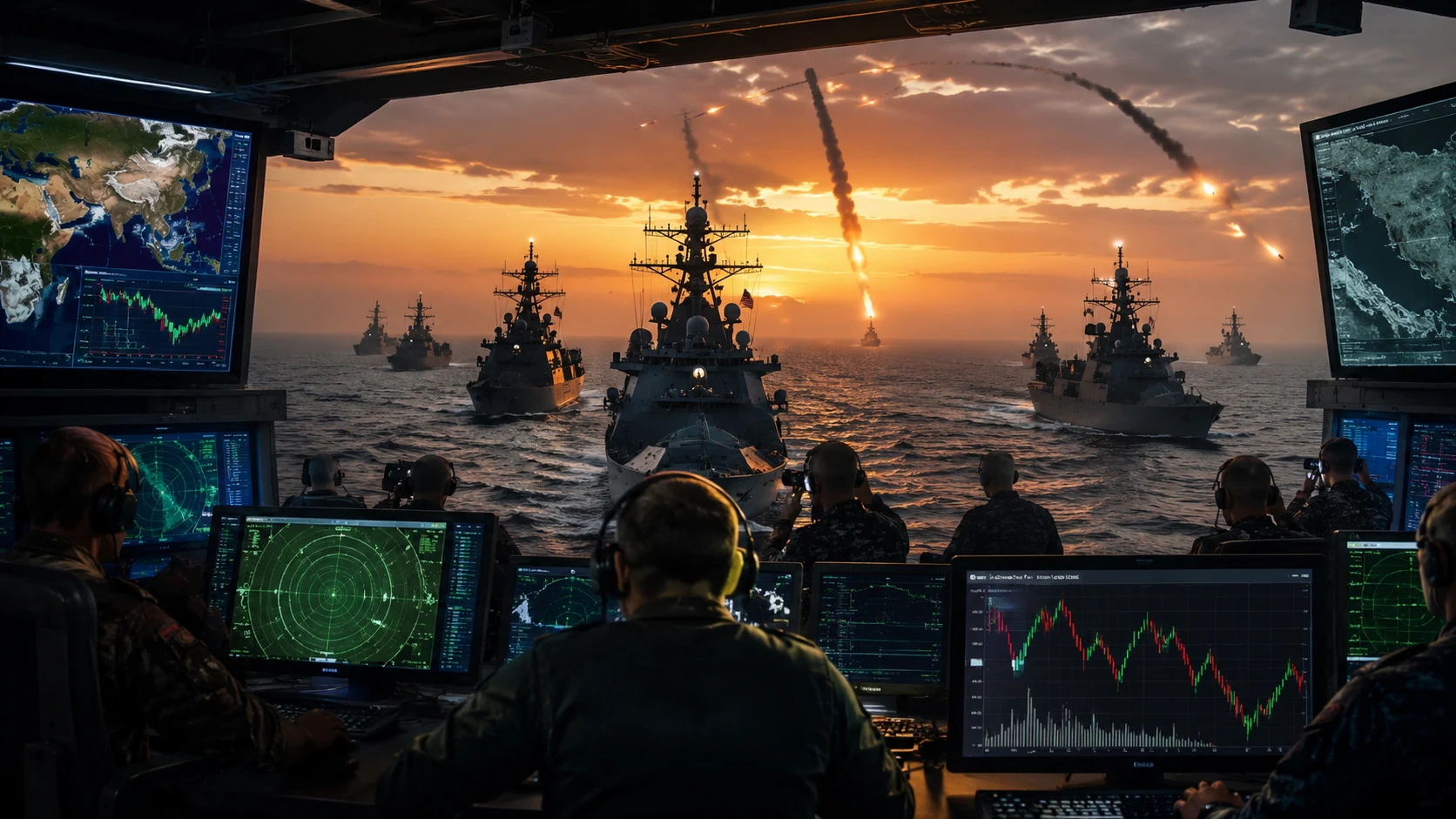




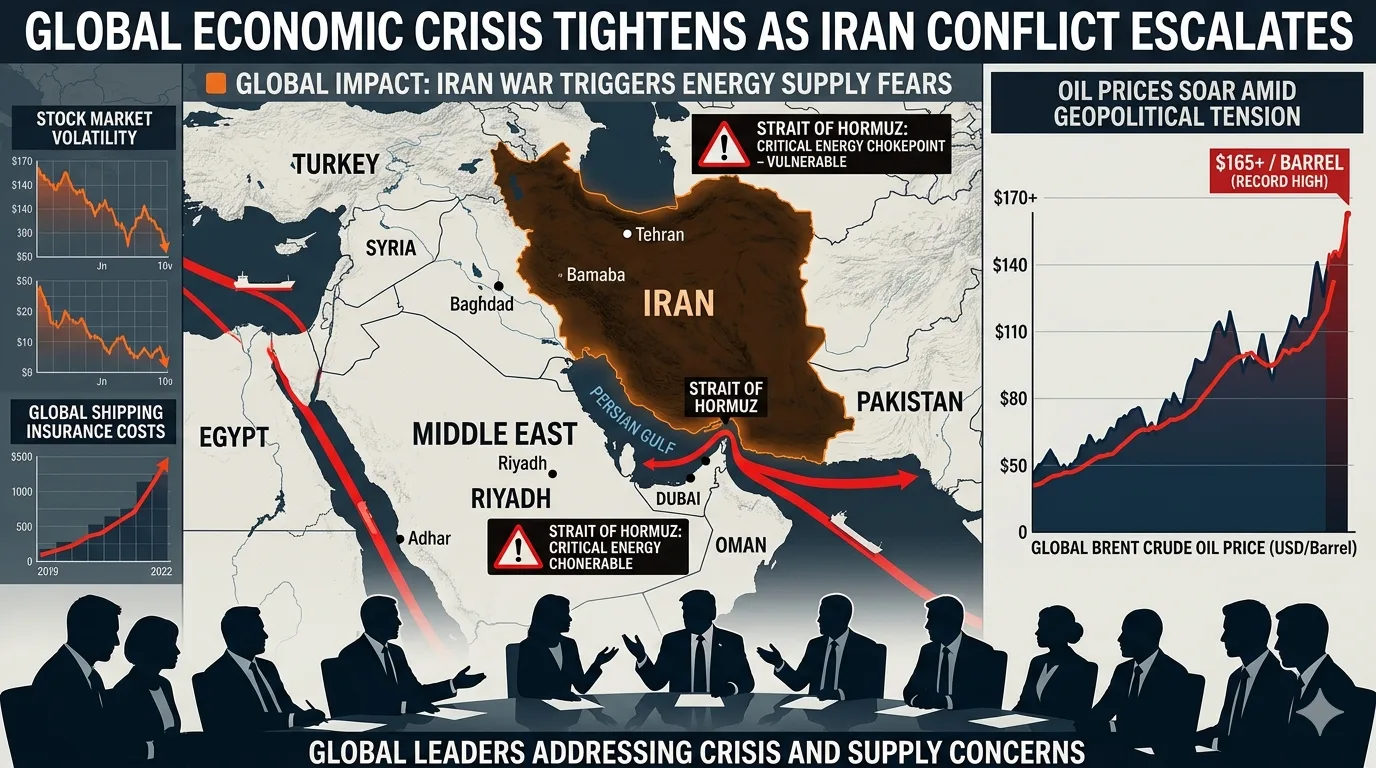
Global leaders weigh economic risks as the Iran conflict disrupts energy markets and trade routes.
As the situation in Iran continues to unfold, world leaders are increasingly voicing their concerns over the economic implications of the current conflict.
As the situation in Iran continues to unfold, world leaders are increasingly voicing their concerns over the economic implications of the current conflict. Oil prices and supply chain disruptions are already starting to be felt across the world.
Global Institutions Sound Alarm
Global economic institutions such as the International Monetary Fund and the World Bank have heightened their collaboration in assessing the effects of the conflict on the energy sector and the general financial stability.
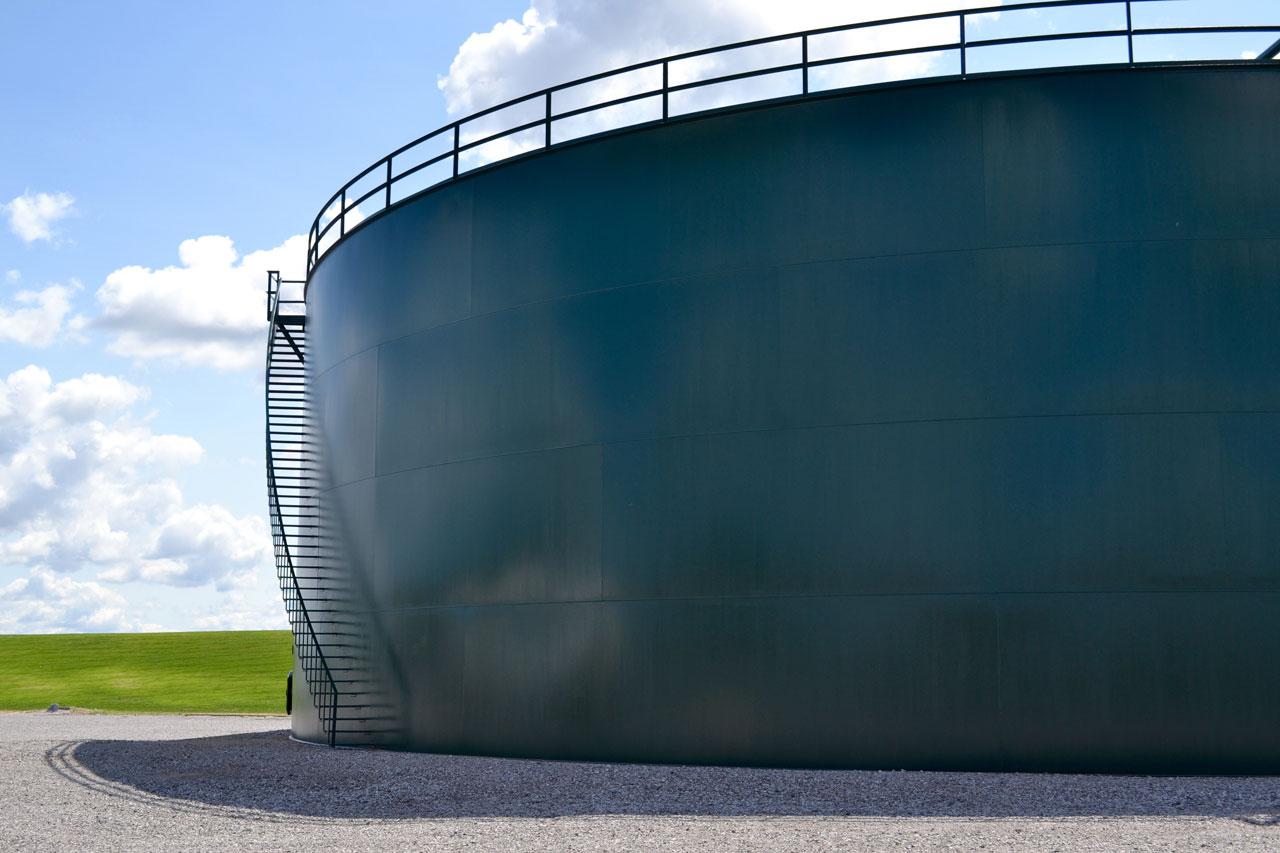
Experts note that the effects of the war have already been felt in the volatile nature of the oil and gas sector.
Economic leaders note that countries relying on energy products face the possibility of increased financial burdens in the wake of rising crude prices.
Oil Prices and Trade Routes Under Pressure
The conflict has heightened worries about the safety of the Strait of Hormuz, which is an important global maritime route for a significant share of the world’s oil supplies.
Any disruption in this trade route would have a significant impact on global oil supplies and pricing mechanisms.
Some countries have started considering alternative oil supplies in the event of a disruption.
Governments Explore Emergency Measures
Some governments have started taking various measures to mitigate the economic effects of the crisis, including fuel subsidies, tax measures, and energy-saving measures.
Some governments have encouraged the saving of fuel and the use of alternative sources of energy in managing the crisis.
The measures indicate increasing worries about the potential for the economic effects of the crisis to spill over into the broader economy.
Market Volatility Reflects Global Uncertainty
The stock exchange and exchange rate markets have recorded some volatility amid uncertainties regarding the period of the conflict.
Economic analysts have argued that the effects of the conflict have made geopolitics a major force in the markets, especially in industries like energy, transport, and manufacturing.
The global growth outlook might also be impacted if the crisis is not resolved in the near term.
Calls for Stability and Diplomacy
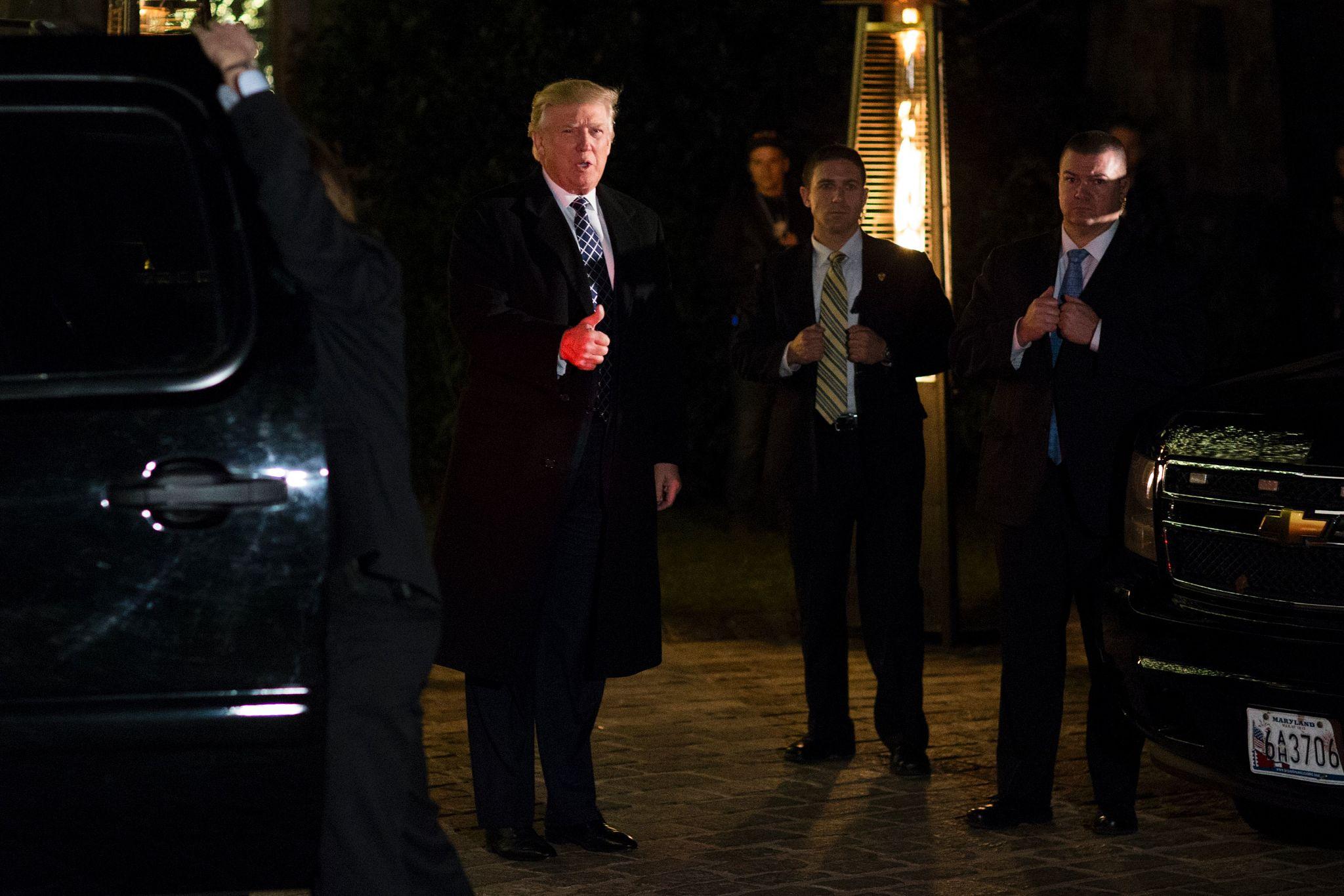
The world leaders are still emphasizing diplomatic efforts to avoid further escalation and maintain stability in the global market.
Though military operations are taking all the attention globally, economic issues are becoming another significant factor for world leaders to consider.
This situation highlights how conflicts between countries can turn into global economic issues.
Disclaimer
Before reaching a conclusion based on this article, readers are highly recommended to visit our website and read our Terms and Conditions page. This article is based on information available in the public domain and credible global news agencies used as references. The economic and geopolitical situation may change quickly, and readers are advised to use their own discretion before reaching a conclusion.