



‘No Kings, No ICE, No War’: Protests surge across US and Europe against Trump policies
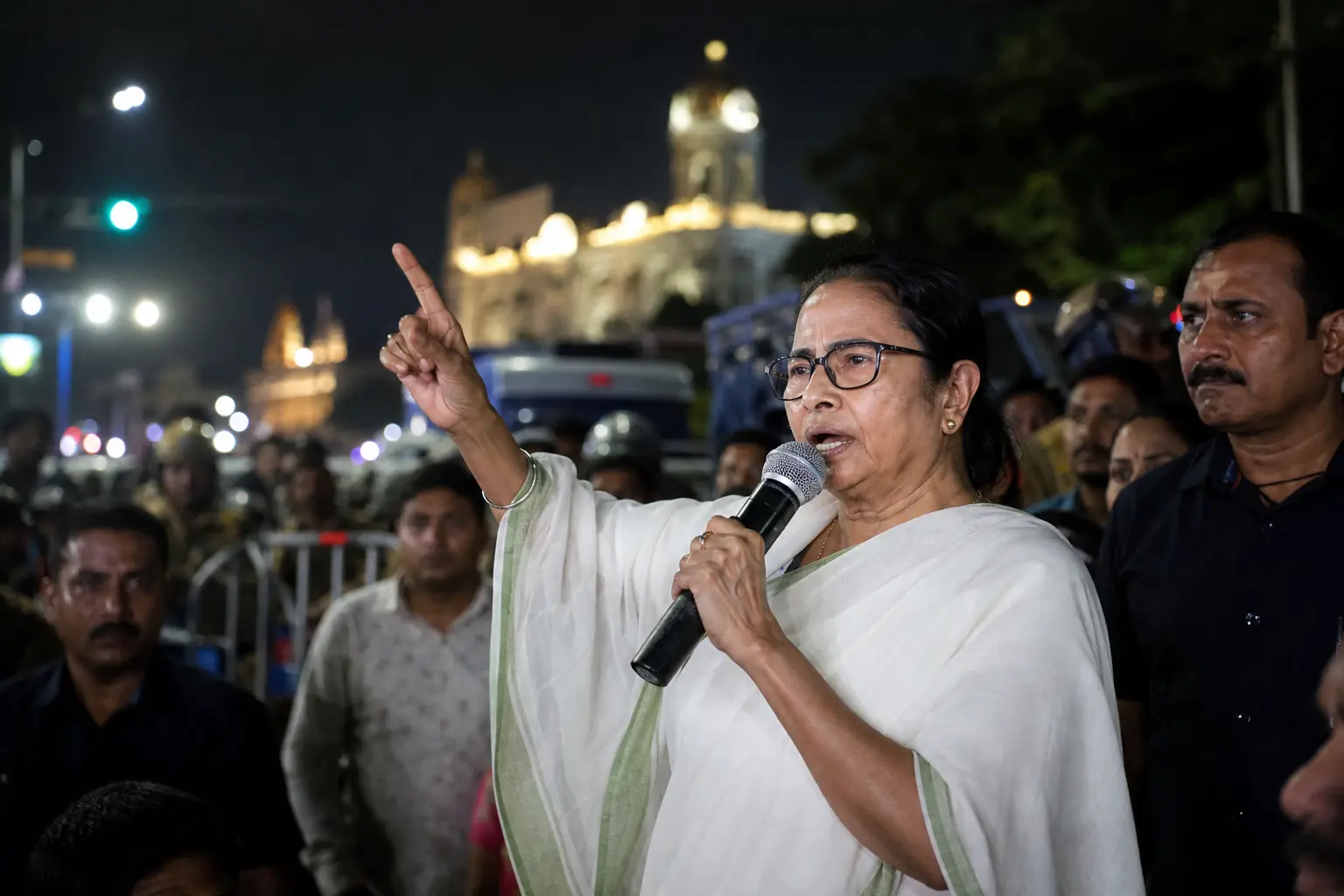
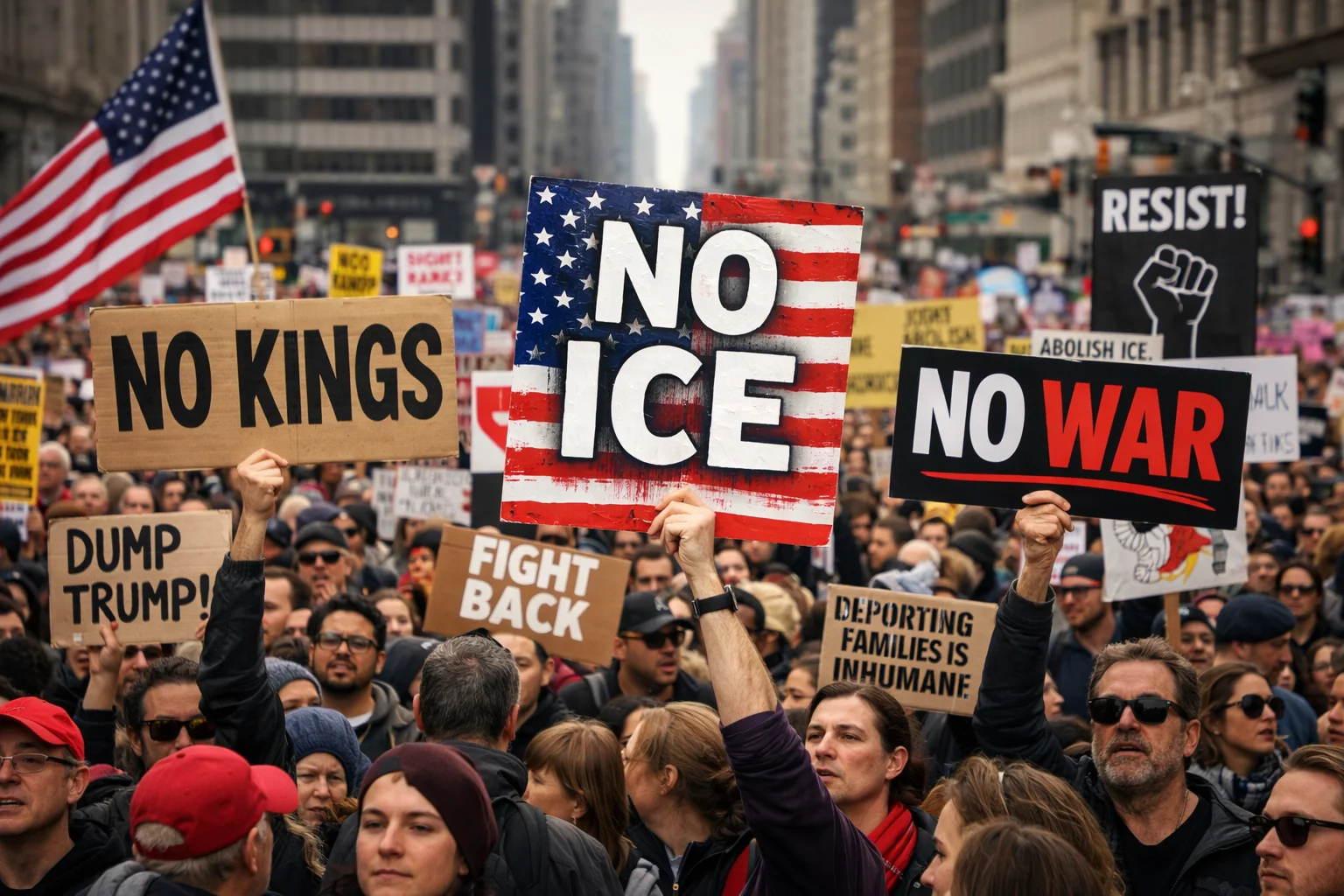
The No Kings protests against Trump policies drew massive crowds across the United States and parts of Europe this weekend, as demonstrators rallied against immigration crackdowns, military escalation, and what they describe as growing executive overreach.
Organizers said protests took place in thousands of locations across all 50 US states, marking one of the largest coordinated demonstrations of President Donald Trump’s current term. The movement, operating under the banner “No Kings,” has rapidly evolved into a broad coalition opposing multiple aspects of the administration’s agenda.
Why are people protesting?
At the heart of the protests were three central issues: immigration enforcement, war tensions, and democratic concerns.
Demonstrators strongly criticized the role of U.S. Immigration and Customs Enforcement (ICE), accusing the agency of aggressive deportation tactics and increased raids. The slogan “No ICE” featured prominently in marches, reflecting anger over tightening immigration policies.
Alongside immigration, the ongoing tensions involving Iran became a major flashpoint. Protesters linked the administration’s military posture to fears of a prolonged conflict, with “No War” becoming a unifying chant across cities.
Many participants also framed the protests as a defense of democratic norms, arguing that centralized power and political rhetoric are pushing the US toward a more authoritarian style of governance.
Where did the protests take place?
Large crowds gathered in major US cities including New York, Los Angeles, Washington, and Philadelphia. However, what stood out was the spread into smaller towns and traditionally conservative regions, signaling broader participation beyond urban centers.
A major rally in St. Paul, Minnesota, emerged as a focal point of the demonstrations. High-profile political figures such as Bernie Sanders and Tim Walz were associated with the event, which also carried emotional weight following recent immigration-related incidents.
Outside the US, solidarity protests were reported in parts of Europe, indicating that the political impact of Trump’s policies is resonating internationally.
Were the protests peaceful?
Most demonstrations were described as peaceful mass gatherings, with marchers holding placards and chanting slogans. However, isolated clashes were reported in cities like Dallas and Los Angeles, leading to some arrests.
Authorities maintained that these incidents were limited, while organizers emphasized that the protests were largely non-violent and focused on civic expression.
Political reaction and impact
The White House and Republican allies dismissed the protests as politically motivated demonstrations with limited broader support. However, organizers argue that turnout levels reflect growing dissatisfaction among voters.
Analysts suggest that the scale of the protests could influence political discourse ahead of upcoming elections, especially as issues like immigration, war, and economic pressure continue to dominate public debate.
What Happens Next
The “No Kings” movement appears to be gaining momentum, with organizers planning additional demonstrations in the coming weeks. If participation continues at this scale, it could shape policy debates and electoral strategies moving forward.
The protests also highlight how multiple issues—immigration, foreign policy, and governance—are converging into a single, larger opposition narrative.
Disclaimer
This article is based on publicly available information from reputable sources such as Reuters and AP News. Developments may evolve as more details emerge.