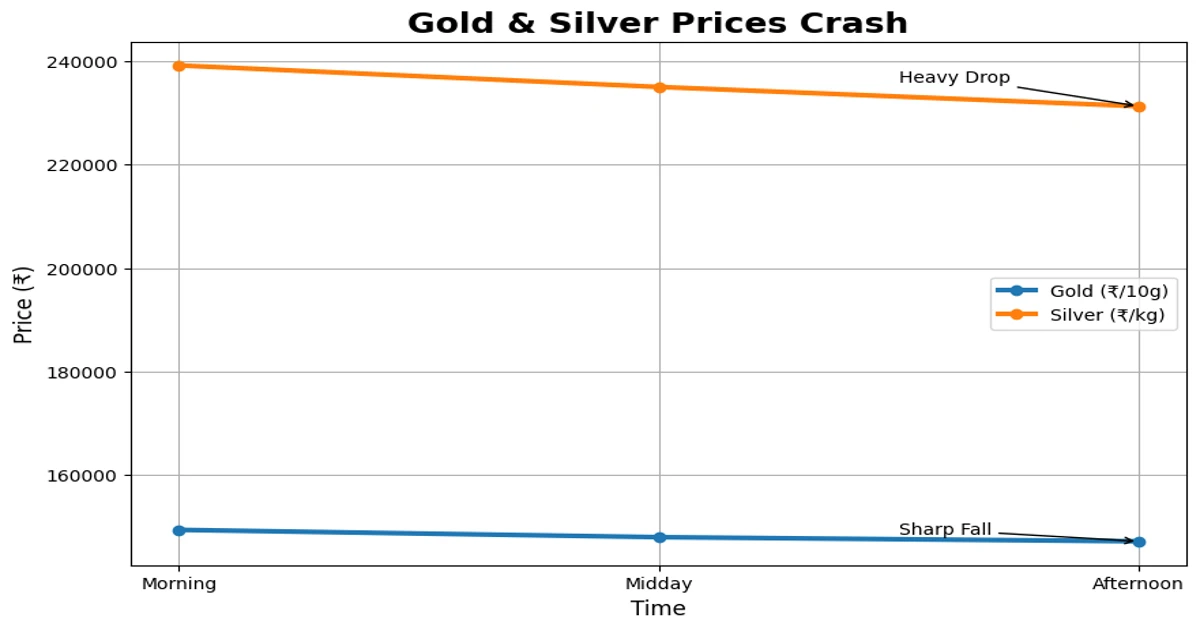







Precious metals show limited movement even as geopolitical risks increase.
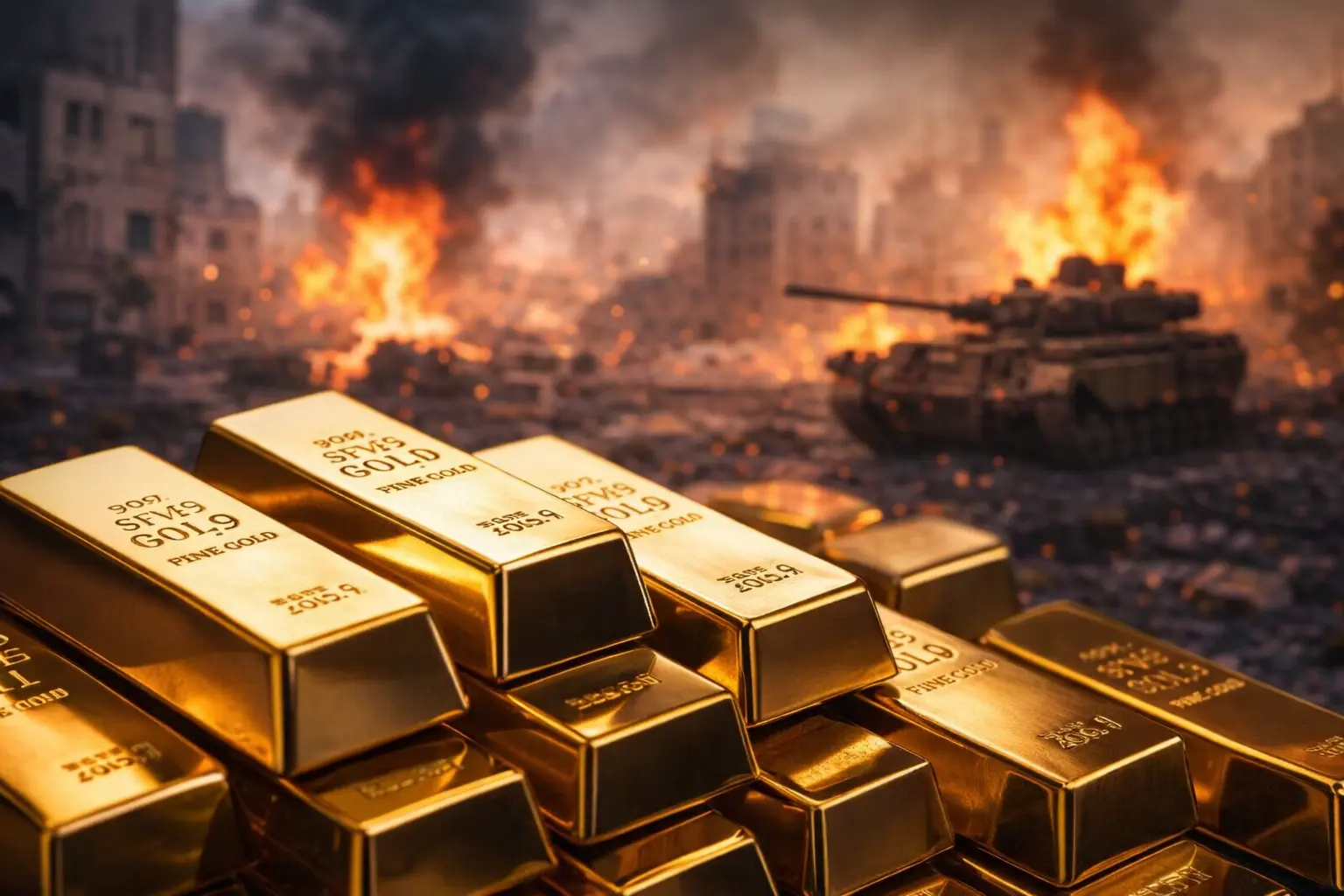
Gold and silver are known as safe-haven investments in times of geopolitical tensions, but there has been little movement in their prices amid continued turmoil in West Asia.
Analysts believe that certain macroeconomic dynamics in the world are counterbalancing the usual demand boost during conflicts.
US Dollar Strength Constrains Potential Gains
Another important aspect that influences precious metals is the power of the US dollar. Metals are internationally quoted in dollars, and an increase in the value of the currency could mean higher costs for foreign buyers.
When the US dollar becomes stronger, investors may be discouraged from purchasing bullion, even under volatile geopolitical tensions.
Increased Interest Rate Expectation Constrains Demand
Interest rate expectation can also affect the attractiveness of investments in precious metals.
When the yield on interest-bearing securities remains competitive, investors prefer to allocate funds to yield-bearing securities.
Gold Price Movements Are Closely Monitored by Market Participants.
Geopolitical Risks Already Factored In?
It is suggested that a component of the geopolitical risk factor might already be incorporated into existing gold prices.
Had the markets foreseen the escalation of risks in the West Asia region before, it would mean some safe-haven buying was already done.
Thus, more price rises may seem constrained unless further risk levels rise.
ETF Flows & Investor Positioning
Investors’ positioning on ETFs tracking precious metals can influence price action too.
Outflows from gold-linked ETFs amid political instability signals caution among investors in particular markets.
This is another way institutional allocation can impact price action.
Demand Pressures from Silver’s Industrial Uses
In contrast to gold, silver is used extensively by industries in products such as electronic components and photovoltaic cells.
Concerns regarding an economic slowdown may affect demand expectations for silver, negatively impacting the metal even if the geopolitical risks increase.
Silver’s Long-Term Forecast Is Inconclusive
According to experts, gold and silver would continue to be vulnerable if there were any escalation of geopolitical events or the danger of inflation.
Metals are highly associated with the following macroeconomic factors:
- Expectations of future inflation
- Monetary policy decisions
- Foreign exchange
- Safe haven sentiment
Economic figures and geopolitical events will be watched carefully to determine future price directions.
Conclusion
Whereas geopolitical concerns generally enhance safe-haven buying, market fundamentals continue to dictate precious metal pricing patterns.
The interplay among currency power, interest rates, and market psychology keeps influencing price action in the gold and silver spaces.
Disclaimer
As a matter of protocol, we urge all interested parties to consult our Terms and Conditions page located on our website prior to deriving any inference from this document. The contents of this piece have been compiled from public financial data and reputable media outlets, which serve as citations.