






Temporary ceasefire raises hopes but underlying conflicts remain unresolved.
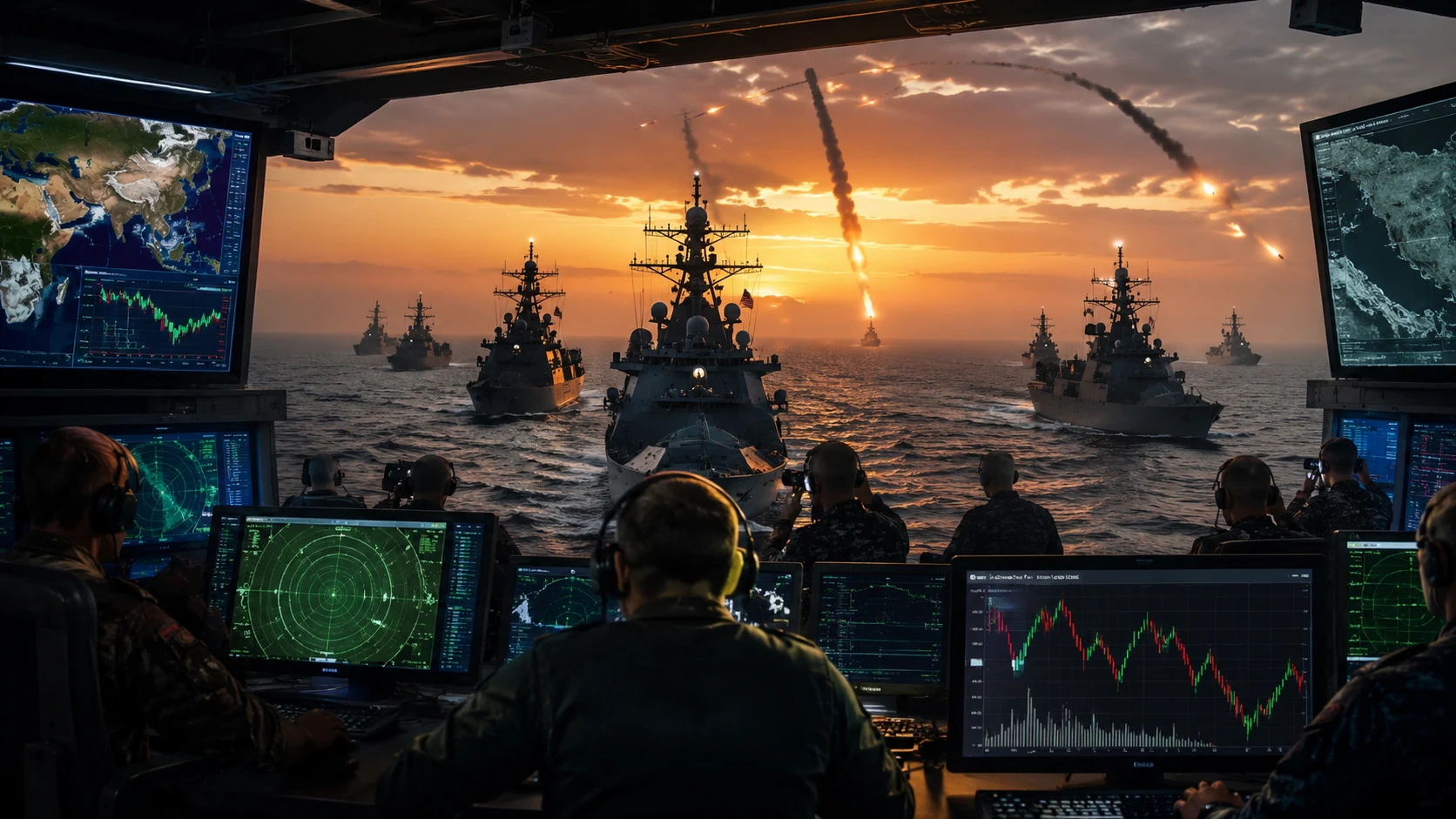
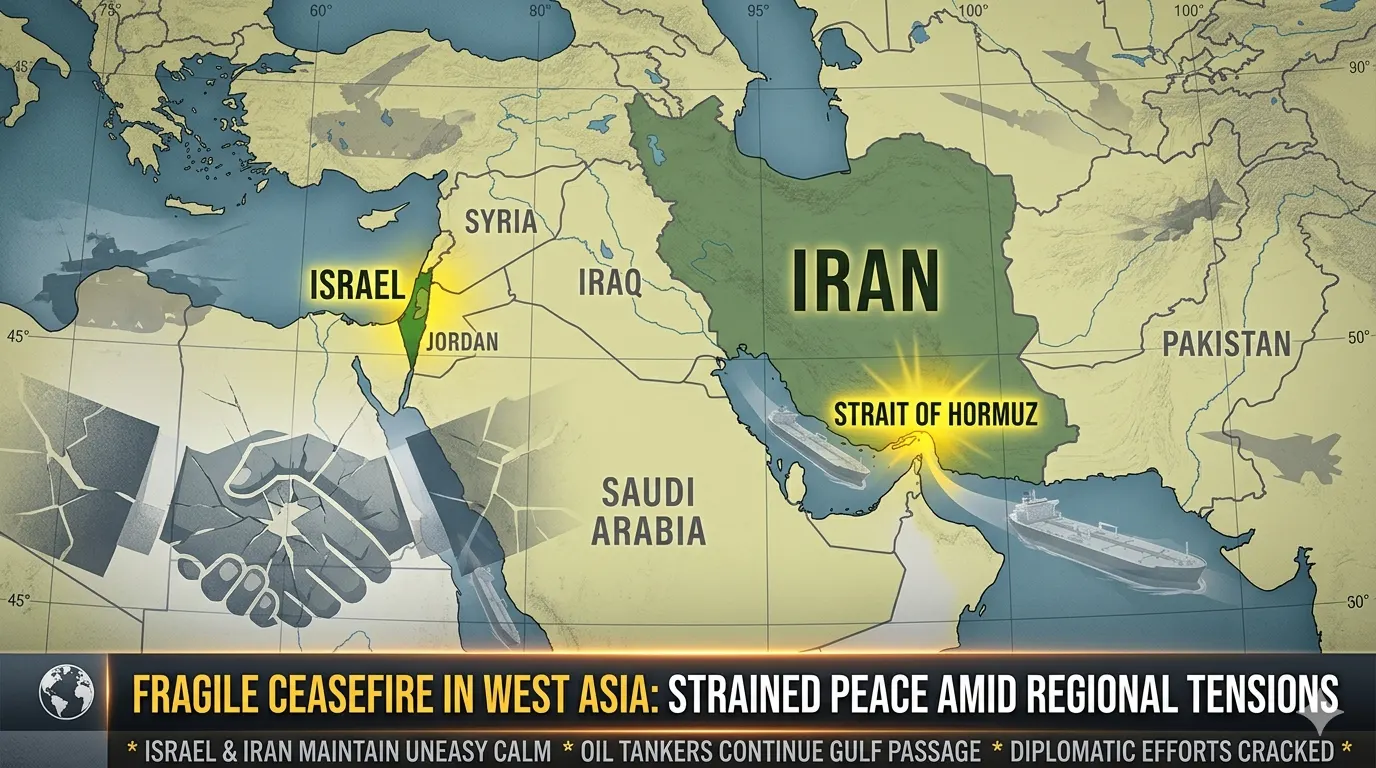
Although the hopes for stability in the West Asian region seem unclear following the agreement on the ceasefire between the US and Iran, there is no guarantee that peace will persist since several underlying factors might interfere with its success in the region.
Although the ceasefire is effective in stopping hostilities, it is believed that several underlying issues might prevent the achievement of lasting peace in the region.
The recent development indicates that the ceasefire might not be more than a temporary one.
Conflicting Interests of Important Parties
Among the most pressing issues that may prevent the implementation of the ceasefire agreement is the discrepancy between the objectives of important parties involved in the conflict.
Both parties have experienced significant strategic successes, which underscores their disagreement about the future security and political influence within the region.
There are still differences over sanctions, military deployment, and other aspects of nuclear policy that may hinder the peace process.
Strait of Hormuz Still a Major Hotspot
The Strait of Hormuz still stands out as an important hotspot because of its strategic significance in international oil transit routes.
Despite the declaration of the ceasefire, the use of the crucial strait for maritime transport is still restricted, indicating persistent uncertainties in the oil markets.
This situation not only affects the region’s stability but also the global energy market.
More Regional Conflicts Keep Putting Pressure on Ceasefire
Problems related to allies and other regional entities have added another level of complexity in terms of ceasefire negotiations.
Activities taking place in adjacent regions have created questions regarding applicability of ceasefire rules to different conflict zones.
Ceasefires become even harder to enforce due to geopolitical alliances and proxy wars.
Impact on the Economy and Global Markets
There has been an impact on global energy markets due to this conflict.
Oil prices rose following news about ceasefire but remain vulnerable to increased risks of escalation.
Diplomacy has been stressed by countries around the world for maintaining stability in global supply chains and protecting the economy from shocks.
Diplomatic Work Continues
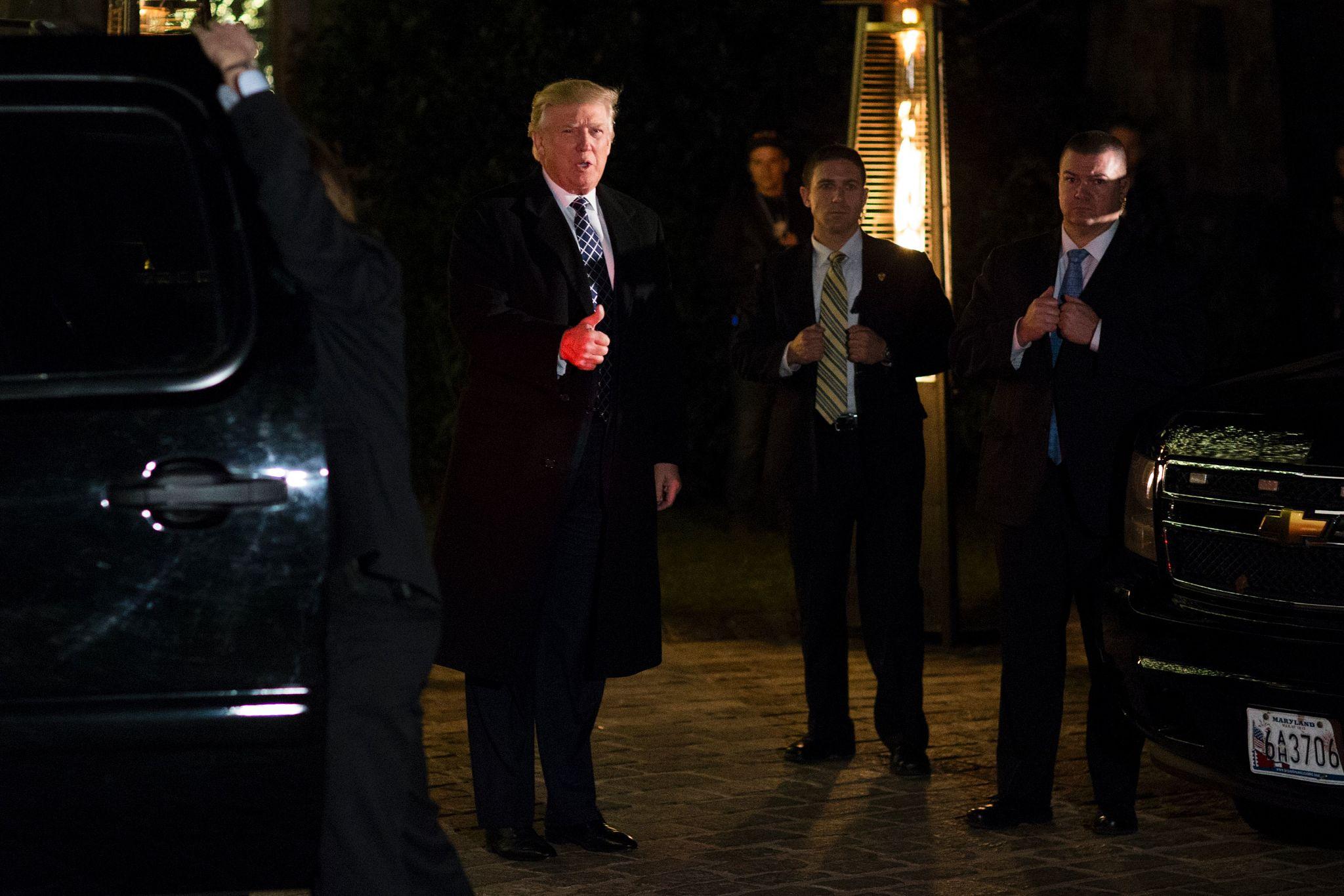
Several nations have urged dialogue and diplomacy to make sure that the ceasefire leads to a more comprehensive peace deal.
Efforts at diplomacy continue, as world leaders try to de-escalate the situation so that more damage can be prevented.
Nevertheless, diplomats warn that peace may need to take into consideration some serious geopolitical tensions
Conclusion
While there has been some reprieve with the ceasefire, doubts about the peace process remain prevalent in West Asia.
The example underscores the dynamics of geopolitics, where various factors come into play.
It is anticipated that the markets, governments, and international organizations will keep abreast of any development that can affect the energy sector, trade policies, and diplomatic relations.
Disclaimer
Prior to making any decisions or coming up with a conclusion after reading this paper, you are advised to check the Terms and Conditions section of our website. This document is a compilation of news articles and information from reliable resources. Geopolitical events may change suddenly; therefore, you need to conduct your research before taking any action.