







Iran Help Japanese Ships Strait of Hormuz: What It Means for Global Trade
Iran’s recent announcement regarding maritime security has captured the attention of the entire world, as the country has expressed its willingness to assist Japanese maritime routes in one of the most sensitive water routes in the world.
Developments in Iran
The recent developments regarding Iran have provided a new opportunity for Japanese maritime routes in the Strait of Hormuz.
Iran is willing to provide safe passage for Japanese maritime routes in the Strait of Hormuz, according to the country’s foreign minister. The announcement has come at a time when security in the region is a priority due to the presence of military and economic activities.
Why the Strait of Hormuz Matters More Than Ever
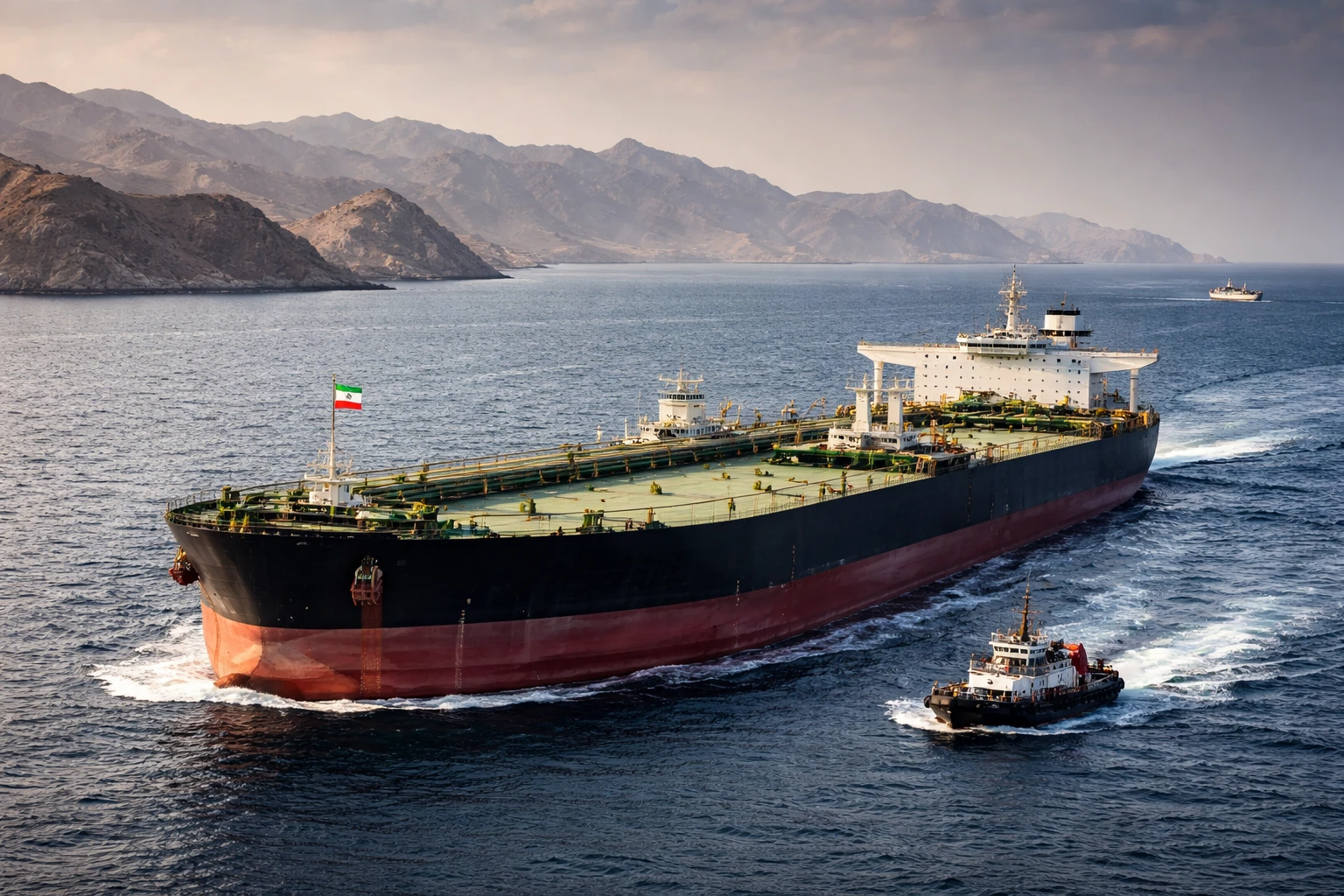
The Strait of Hormuz is not just another shipping route—it is a strategic chokepoint. Nearly one-fifth of the world’s oil supply passes through this narrow stretch between Iran and Oman.
Any disruption here can immediately affect global energy prices and supply chains.
Iran’s offer to assist Japanese vessels could be interpreted as both a diplomatic gesture and a strategic signal. Japan relies heavily on Middle Eastern oil imports, making secure transit through Hormuz essential for its energy security.
For more background on the geopolitical importance of the region, see this detailed coverage by Reuters and analysis from BBC News.
Iran’s Message: Diplomacy or Strategic Positioning?
Iran’s statement seems to have been carefully crafted. On the one hand, the statement reassures a key Asian power – Japan – of the safety of its maritime routes. On the other hand, the statement seems to subtly reinforce Iran’s control over the Strait.
This statement could also be interpreted as a bid to counter the rise of international naval forces in the region. In recent months, several nations have enhanced their naval presence in the region with the aim of protecting commercial vessels from any potential threats.
Iran’s offer of assistance could thus be seen as a bid to portray itself as a force of security rather than a security threat. However, analysts have observed that such reassurances are subject to the larger political context – sanctions and alliances.
Japan is a nation known for its equidistant foreign policy and has traditionally avoided conflict in the Middle East.
Implications for Global Shipping and Energy Markets
In terms of the global market, even a slight change in the security discourse in the Hormuz Strait can have a major impact.
If Iran’s promises are successful in calming tensions, this could lead to a stabilization in the costs of insurance used in shipping. This, in turn, could have a positive effect on the price of oil, which tends to fluctuate quickly in reaction to any sign of risk in the area.
However, there is a sense of ambiguity in this case, as shipping is often secured through a variety of security assurances, such as international naval protection.
Iran’s promises, although perhaps not sufficient on their own, are an important part of the current negotiations.
Disclaimer
This article is based on publicly available information from reputable sources, including official statements and international news reports. Developments may evolve as new information emerges. read our terms & conditions.