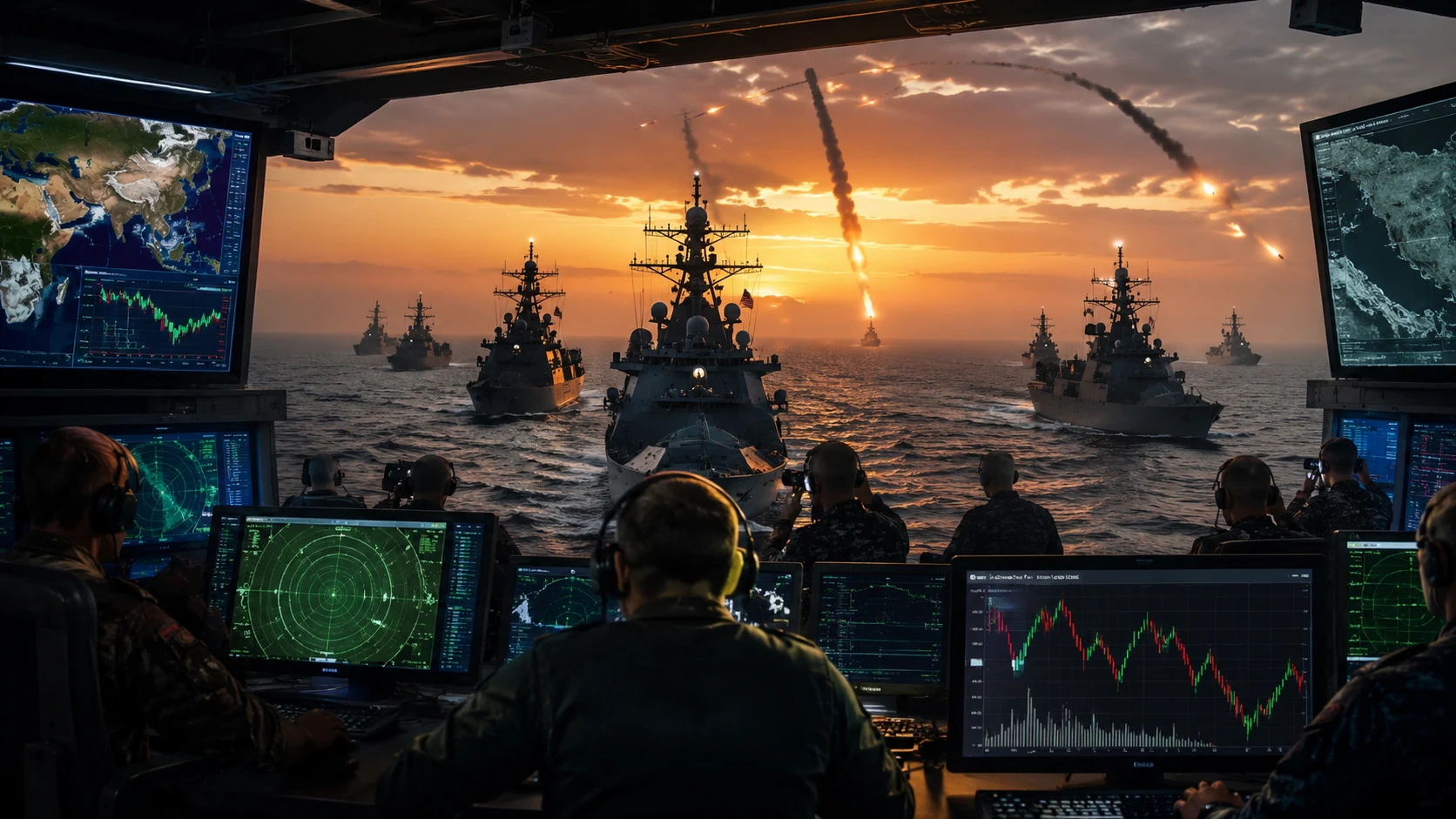

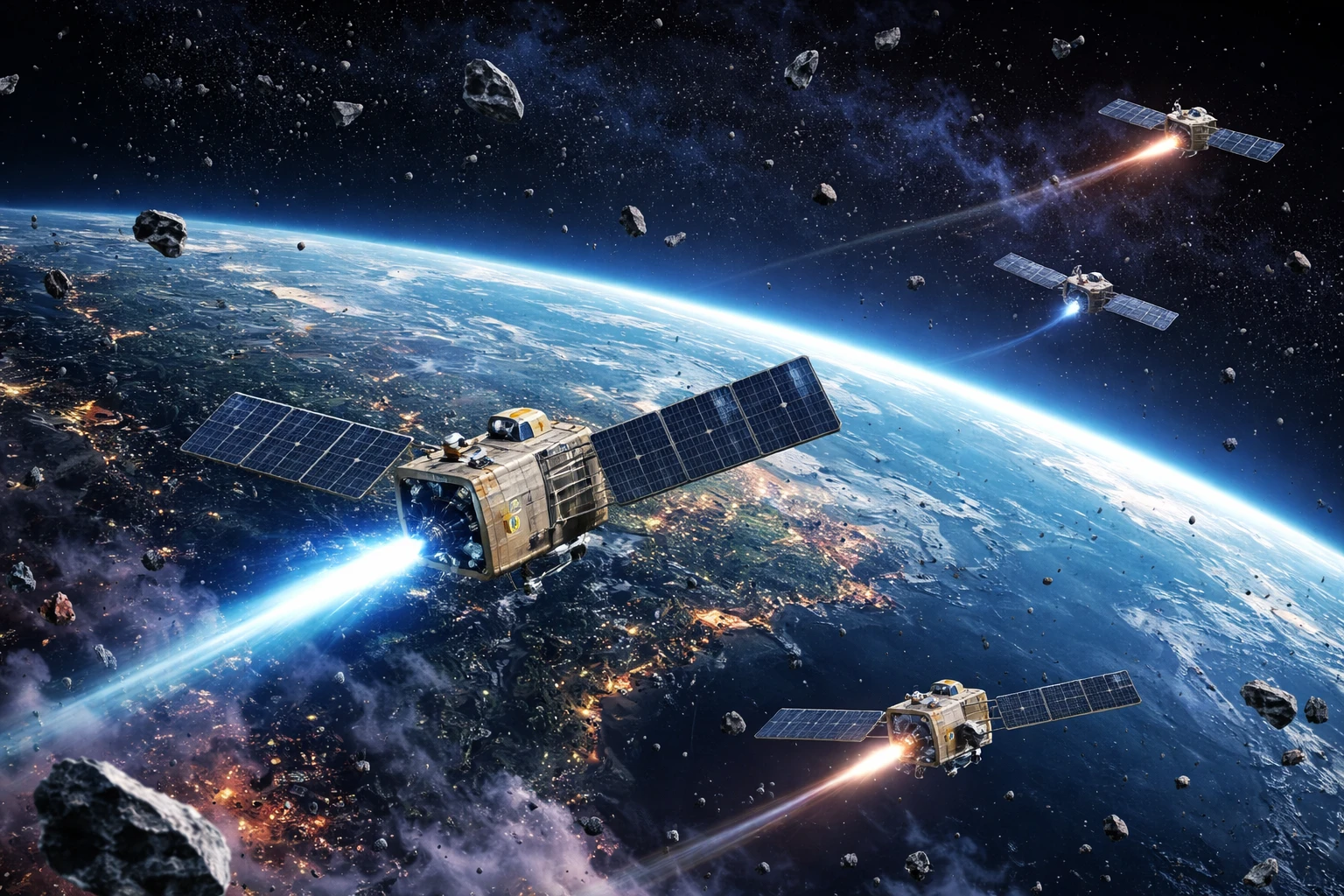



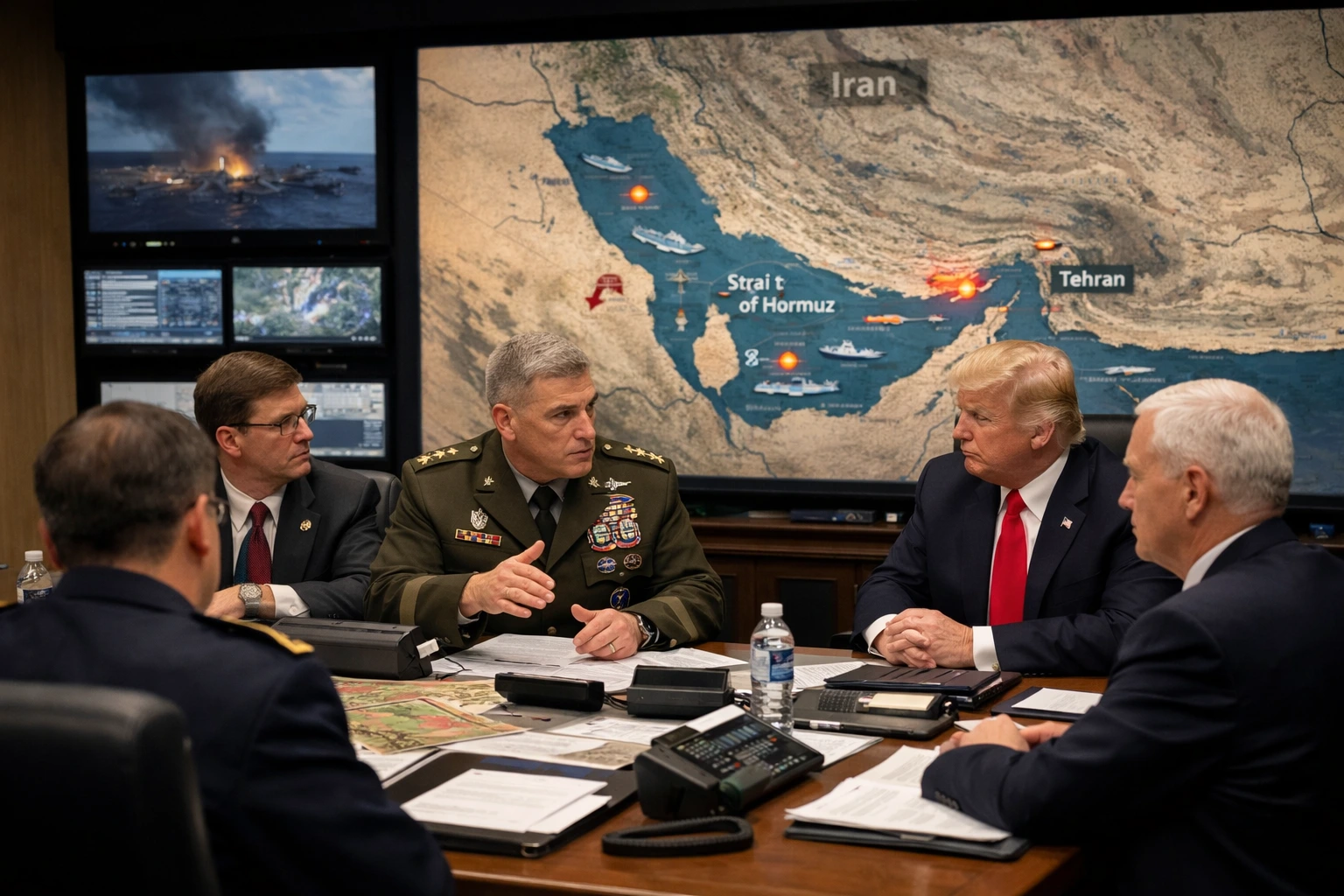
As the conflict with Iran enters its third week, the strategic decisions facing the Donald Trump administration are becoming more complicated as the war in the region enters its third week. The military actions in the region continue, but the direction that the conflict is heading in is uncertain.
The conflict began in late February when the United States and Israel struck Iran. Since then, Iran has retaliated with missiles and drones, which have widened the battlefield beyond a single point.
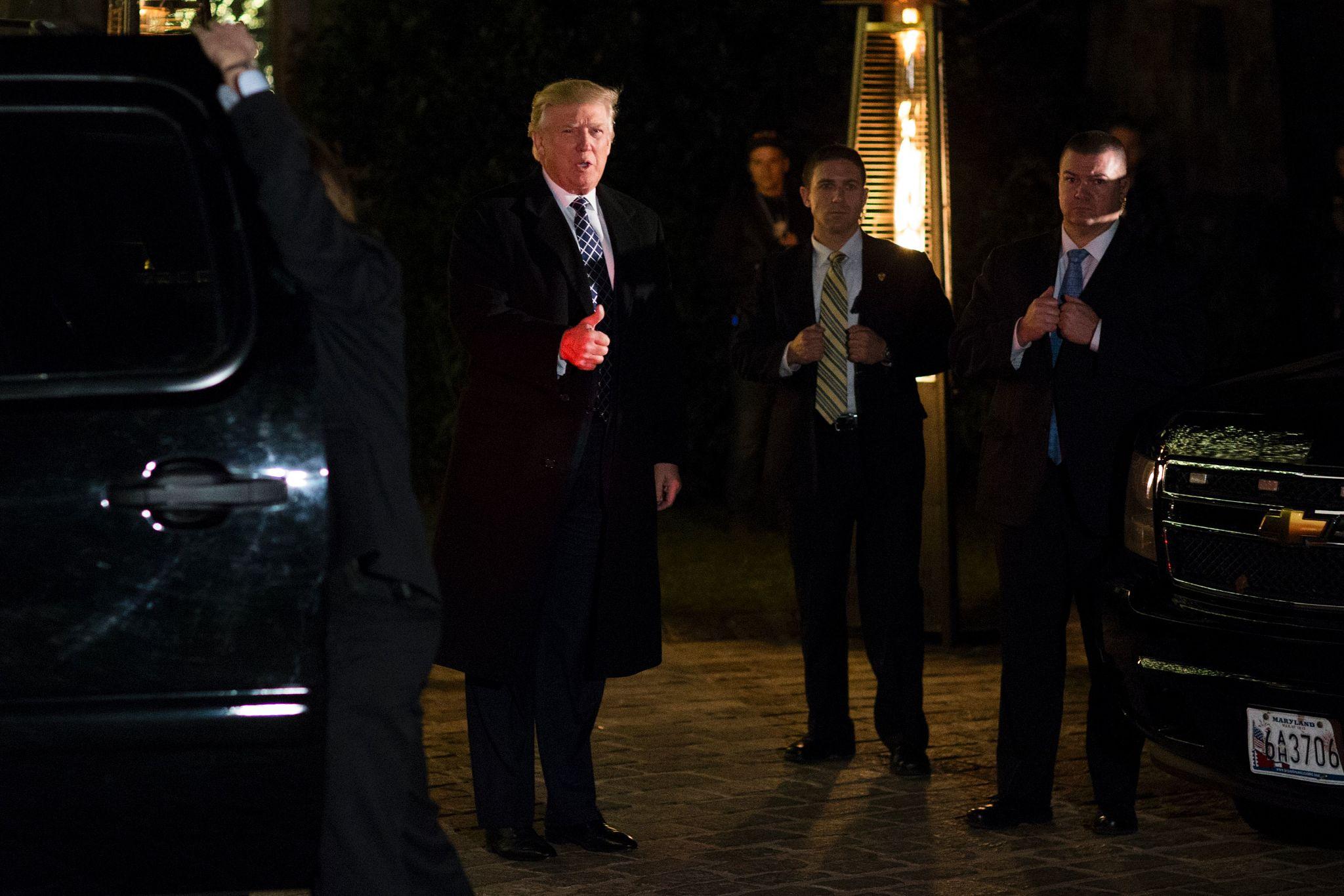
The next actions taken by United States President Donald Trump are crucial in determining whether the conflict escalates or begins to wind down.
Escalation or Containment: The Strategic Crossroads
However, three weeks into the conflict, US authorities are now weighing the options of escalating the conflict or switching to containment.
Recent attacks have targeted Iranian military infrastructure, with the most significant attack being an air raid on the island of Kharg, an important oil export point in the Persian Gulf.
The attack, according to reports, has destroyed dozens of Iranian military targets without damaging the oil infrastructure.
This, according to analysts, has been a delicate balancing act.
While the US seeks to cripple Iranian military capabilities and its ability to disrupt maritime traffic in the Hormuz Strait, which carries one-fifth of the world’s oil supply, the US also seeks to avoid damaging the oil infrastructure, which would have severe economic implications on the world.
Iran, however, has continued to retaliate against US and Israeli targets, increasing the chances of escalating the situation.
Pressure From Allies and Markets
International responses to the war have put another dimension of pressure in the mix.
The White House has asked its allies to join a naval alliance to ensure the safety of merchant vessels in the region. But some countries have taken a cautious approach to becoming more militarily involved in the war.
Europe has taken a diplomatic approach, and Asian countries that rely on energy imports are monitoring shipping safety in the Persian Gulf.
Economic factors are building up. Disturbances in shipping and energy infrastructure have already raised inflationary concerns.
U.S. policy analysts have even suggested that the administration should not get too bogged down in the war, as it may destabilize the region and affect global industries that rely on energy and raw materials.
Domestic Political and Military Considerations
Within Washington, the conflict is influencing discussions about the goals of the war and how to disengage.
Those who advocate for the continuation of pressure say that the war could weaken Iran’s military network and deter future strikes.
On the other hand, opponents of the war have expressed concern that the war could result in the U.S. getting stuck in another war in the Middle East.
The U.S. military response to the attacks has been precise strikes and defense. This could indicate that the U.S. wants to apply pressure without invading. However, the longer the war persists, the more difficult it could become to contain it.
What Happens Next
There are a number of possible routes that the war might take in its next stage, including:
- More military action
The United States and Israel might launch more air and sea attacks on Iranian military targets. - Formation of maritime security coalition
A coalition of countries might form to protect shipping routes through the Persian Gulf. - Negotiation of diplomatic talks
Behind-the-scenes negotiations might be underway to arrange for a ceasefire or de-escalation of the war. - Regionalization of the war
If Iranian retaliation targets other countries and energy production targets, the war might spread to other countries in the Middle East.
The military action continues for now, but the world waits with bated breath for the next move from Washington and Tehran.
Disclaimer:
This article is based on publicly available information from reputable sources, including international news agencies and official statements. Details may evolve as the situation develops.